Transitioning seedlings from indoor to outdoor environments can be a delicate process. According to horticulturist Dr. Emily Hart, “Gradual exposure to outdoor conditions improves seedlings' resilience.” Understanding how to transition seedlings from indoor to outdoor settings is essential for a successful gardening experience.
Many gardeners struggle with this transition. Seedlings that are used to warm, controlled indoor conditions can suffer shock when exposed to outdoor elements. Light, temperature, and wind can all be challenging factors. It’s crucial to introduce seedlings to these conditions gradually.
Carefully monitoring weather changes will help as well. Consider starting with a few hours of outdoor exposure, then gradually increasing the time. This method helps seedlings adapt without overwhelming them. Remember, the goal is to cultivate strong plants that thrive in their new outdoor habitat. Emphasizing gentle adjustments can lead to healthier growth.
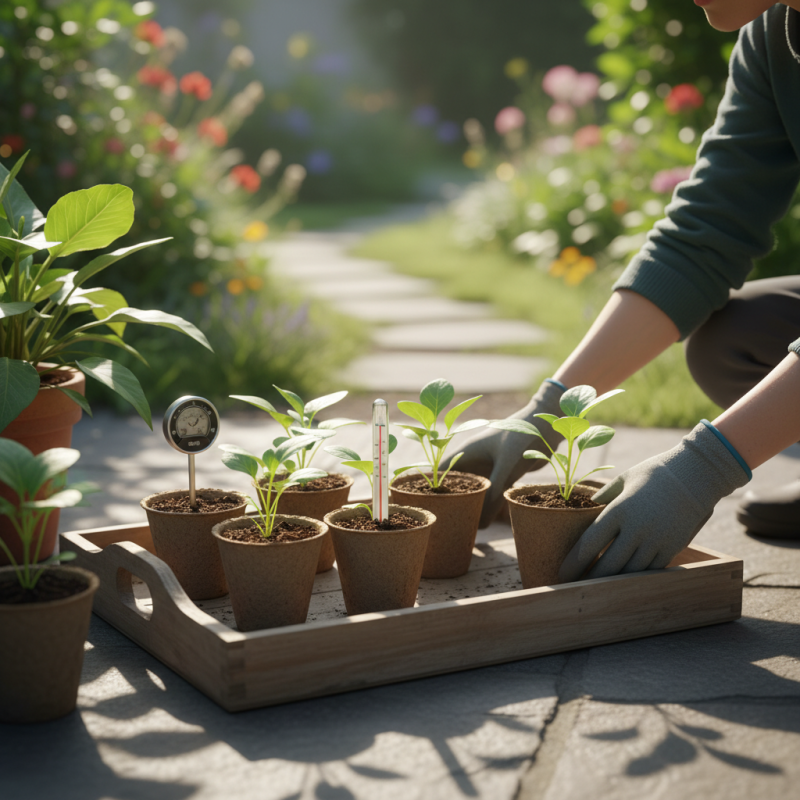
Transplanting seedlings from indoor to outdoor settings is a delicate process. Understanding the importance of hardening off seedlings can significantly improve their chances of thriving. Soft, indoor-grown seedlings often struggle to adapt to the harsher outdoor environment. They require a gradual adjustment period to face stronger sunlight, wind, and temperature fluctuations.
Hardening off begins with exposing seedlings to outdoor conditions for short periods. Start with just an hour on the first day. Increase the exposure gradually over a week or two. By doing so, seedlings can strengthen their stems and leaves. Watch for signs of stress, such as droopy leaves, and adjust exposure times. This step may feel tedious but it's essential for long-term success.
Mistakes can happen during this process. Rash decisions to leave seedlings outside too long can lead to wilting or sunburn. Consider the evening temperatures, as sudden drops can shock the plants. Reflect on your experiences and remember that patience is key. Each seedling is unique and may require different care as it transitions outdoors.
This chart illustrates the stress level of seedlings during the hardening off process, with decreasing stress levels as they adjust to outdoor conditions over three weeks. Proper hardening off is crucial for ensuring seedlings survive and thrive when transplanted outdoors.
When it comes to transplanting seedlings, timing is crucial. The best moment to move them outdoors is typically after the last frost date in your area. This varies by location, so research your local climate conditions carefully. Seedlings are sensitive to cold temperatures. Exposing them too soon can stunt their growth or even kill them.
Observing your plants is important. Check if they have developed a strong root system. Roots should be established but not root-bound in their containers. Ideally, seedlings should be at least 3 to 4 inches tall and have several true leaves. These indicators signal readiness.
Consider weather conditions as well. A gentle, warm day is ideal for transplanting. Avoid windy or extremely hot days. Bringing seedlings outdoors gradually, also known as hardening off, can help them adapt. This process involves exposing them to outdoor conditions for a few hours a day, gradually increasing the time spent outside. Such small adjustments make a significant difference in their survival and health in a new environment.
Preparing your outdoor garden for young seedlings requires careful planning. The right environment is crucial for healthy growth. Research indicates that over 70% of home gardeners face challenges during this transition. One common issue is temperature fluctuations. Seedlings exposed to sudden cold can stunt their growth or die. Therefore, monitor local weather reports for unexpected chills.
Soil preparation is vital. Good drainage is essential. According to horticultural studies, well-drained soil can increase seedling survival rates by 30%. Test your garden’s soil pH. Aim for a slightly acidic to neutral pH, ranging from 6.0 to 7.0. This ensures optimal nutrient availability. Adding organic matter like compost enriches the soil. It fosters beneficial microorganisms that support seedling health.
Sunlight is another critical factor. Seedlings typically need 4-6 hours of sunlight daily. Gradually acclimate them to outdoor conditions. Place them outside for a few hours each day, increasing exposure over a week or two. This process, known as hardening off, helps reduce transplant shock. Take note of wind patterns, as strong winds can damage tender growth. Observing these details can significantly enhance your gardening success rate.
When transitioning seedlings from indoors to outdoors, gradual acclimatization is key. This process, often referred to as "hardening off", helps reduce transplant shock. Research shows that seedlings exposed to outdoor conditions gradually adapt better. A 2021 study from the American Society for Horticultural Science highlights that seedlings need about two weeks of hardening off. This period allows them to adjust to sunlight and wind.
Start by placing seedlings outside in a shaded area for a few hours. Increase their exposure time daily. Ideally, aim for two hours on the first day, doubling the time every few days. After a week, move seedlings to areas with more sunlight. Monitor them closely for signs of stress or wilting. If they show signs of distress, reduce exposure time. Even experienced gardeners make mistakes here. It's easy to rush this process, leading to weak plants or failure in growth.
Temperature fluctuations can also pose a challenge. Seedlings thrive best in temperatures between 60°F and 75°F. Be cautious of sudden cold snaps, which can damage young plants. A report by the USDA indicates that even short exposures to temperatures below 50°F can cause harm. Keeping a close eye on local weather forecasts is essential. Be prepared to bring seedlings back indoors if necessary. Each plant species may require different acclimatization times, so stay observant and adjust your approach accordingly.
Transitioning seedlings outdoors can be a delicate process. Ensuring their health after this transition is crucial for a successful garden. One important aspect of monitoring is checking for signs of stress. Look for discoloration in leaves or wilting, which can indicate that a seedling is struggling to adapt to the new environment. Regularly inspect your seedlings at different times of day to understand their response to sunlight and temperature changes.
It’s also essential to water appropriately. Keep the soil consistently moist but not soggy. A good rule of thumb is to water when the top inch of soil feels dry. Consider using mulch to retain moisture and regulate soil temperature. This simple tip can reduce fluctuations that stress out seedlings.
Pay attention to growth. You might notice some seedlings thrive, while others lag. That’s natural, but aim to identify issues quickly. Perhaps certain varieties are not suited for your local climate. Document your observations. This practice not only helps improve your gardening skills but also provides insight for future planting seasons. Understanding and monitoring these factors will lead to healthier seedlings in the long run.
: Transplant seedlings after the last frost date in your area. Research local climate conditions.
Seedlings should be at least 3 to 4 inches tall with several true leaves. Roots should be well established.
Gradually expose seedlings to outdoors, a process known as hardening off. Start with a few hours a day.
Choose a gentle, warm day. Avoid windy or extremely hot conditions to reduce transplant shock.
Check for discoloration or wilting in leaves. Regular inspections help gauge their response to the new environment.
Keep soil consistently moist but not soggy. Water when the top inch feels dry to the touch.
Mulch helps retain moisture and regulate soil temperature. This reduces stress on the seedlings.
Variations are normal. Some may not be suited for the local climate. Identify issues early for improvement.
Yes, documenting helps improve gardening skills and provides insights for planning future planting seasons.
Cold exposure can stunt growth or even kill seedlings. Timing is essential for successful transplantation.
Transitioning seedlings from indoor to outdoor is a critical process for successful gardening. The first step involves understanding the significance of hardening off seedlings, which helps them adapt to the more intense outdoor conditions. Choosing the right time for transplanting is essential; seasoned gardeners recommend waiting until the last frost has passed and the weather is consistently warm.
Preparing your outdoor garden is equally important, ensuring the soil is ready to support young plants. Once transplanted, gradually acclimatizing seedlings to outdoor conditions is crucial—this can be achieved by initially exposing them to sunlight for short periods and gradually increasing the duration. Lastly, monitoring seedling health after the transition allows gardeners to identify any issues early and ensure their plants thrive in their new environment. By following these steps, you can effectively learn how to transition seedlings from indoor to outdoor, leading to a flourishing garden.

Snax Garden