Choosing the right size for your raised garden bed is crucial for your gardening success. According to a report by the National Gardening Association, nearly 30% of gardeners prefer raised beds for their versatility and ease of use. However, many struggle with sizing. Expert gardener, Sarah Mitchell, states, "The size of your raised garden bed impacts not just space but also what you can grow."
When considering how to choose the right size raised garden bed, reflect on your gardening goals. A smaller bed is manageable but limits the variety of plants. On the other hand, larger beds offer more growth potential but can become overwhelming. It's essential to find a balance that suits your experience level and gardening plans.
Often, new gardeners underestimate the dimensions they need. A bed that is too small may lead to disappointment, while an overly large one could feel daunting. The key is to assess your available space and the types of plants you want to cultivate. With careful thought, you can create an effective garden that meets your needs.
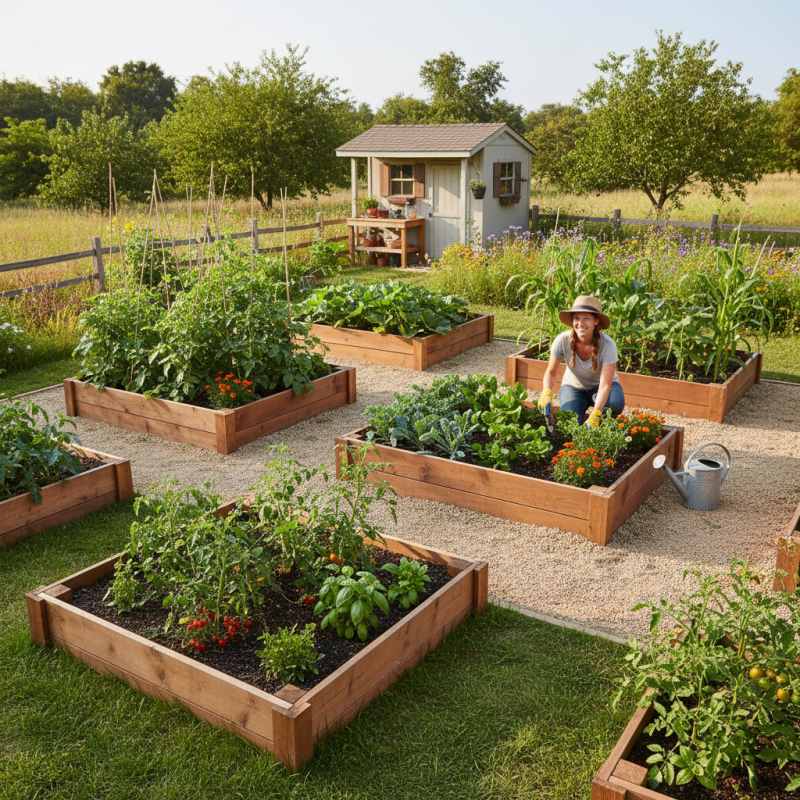
Factors to Consider When Choosing the Size of a Raised Garden Bed
When selecting the size of a raised garden bed, various factors come into play. The most critical aspect is the available space in your yard or patio. According to a survey by the National Gardening Association, 80% of home gardeners prefer beds that are 4 feet wide. This width allows easy access to plants without stepping into the bed, promoting healthier soil. Depth is another concern. A bed at least 12 inches deep is recommended for most vegetables, as this provides enough space for root systems to thrive.
Consider your gardening needs as well. If you plan to grow larger plants like tomatoes or peppers, a wider bed may be beneficial. On the other hand, smaller herbs may only require a 2-foot-wide space. A study from the American Society of Horticultural Science indicates that varied bed sizes can influence productivity and yield.
Sometimes, gardeners underestimate the time and effort involved. A larger bed can mean more space to plant, but it also requires more maintenance. Regular weeding, watering, and harvesting take time. Additionally, it’s essential to reflect on your commitment. If you're new to gardening, starting with a smaller bed might be wise. A 4x8 foot bed can yield enough produce for a small family. However, having too much space can create pressure and potential failure. Balance is key in choosing the right size for your garden.
Recommended Dimensions for Different Types of Plants and Crops
Choosing the right size for a raised garden bed is crucial for the success of your plants. The dimensions can greatly impact the growth and health of various crops. For example, a bed that is 4 feet wide allows easy access from both sides, while a 6-foot length provides ample space for multiple plants. Consider your gardening goals when selecting the size.
For growing small herbs, a smaller bed of 2 feet by 4 feet suffices. This size is easy to manage and fits well in tight spaces. Larger plants, like tomatoes or peppers, thrive in beds that are at least 4 feet by 8 feet. This gives them the room they need to spread out and receive adequate sunlight.
Tip: Leave pathways between beds for easy access and maintenance. This will allow you to tend to your plants without stepping on the soil, preserving its structure.
Consider the height of your garden bed as well. A height of 12 to 18 inches works well for most crops, but deeper beds are necessary for root vegetables like carrots or potatoes. However, deeper beds can be harder to maintain. Reflect on whether you can adequately care for the plants in taller structures before committing.
The Importance of Accessible Height for Raised Garden Bed Users
Creating a raised garden bed can be an exciting project. However, choosing the right height is crucial, especially for those who have mobility issues or prefer gardening while seated. Accessible height is not just about convenience; it affects the overall gardening experience. Gardeners should select a height that minimizes strain on the back and knees.
Consider whether you'll be gardening from a standing or seated position. If you enjoy planting from a chair, a higher bed would be ideal. A good height typically ranges from 24 to 36 inches. This range allows easy access without excessive bending or stretching. You may need to adjust based on personal comfort and ability.
**Tip**: Make a mock-up of the height using boxes or other materials to find the best fit.
Don’t forget that a well-planned raised bed can prevent weeds and provide excellent drainage. Think about the width too; if it’s too wide, accessing the center becomes a challenge.
**Tip**: A 4-foot width is usually manageable for most gardeners.
Experiment with different dimensions to find what works best for you. Each gardener's needs are unique, so personalize your raised bed to suit your lifestyle.
How to Choose the Right Size Raised Garden Bed for You? - The Importance of Accessible Height for Raised Garden Bed Users
| Bed Size (ft) |
Recommended Height (in) |
Accessibility Level |
Best For |
| 4 x 4 |
24 |
High |
Beginners & Limited Space |
| 4 x 8 |
24 |
Medium |
Popular for Vegetables |
| 3 x 6 |
18 |
High |
Small Gardens & Children |
| 2 x 3 |
12 |
Very High |
Container & Mobility Users |
| Raised table (5 ft) |
36 |
Very High |
Wheelchair Users & Seniors |
Analyzing Space and Layout: Fitting Your Raised Bed in Your Garden
When planning a raised garden bed, the space and layout are crucial. Measure your garden area carefully. Consider sunlight exposure, shade from trees, and wind patterns. Small gardens benefit from vertical elements. They make use of limited ground space efficiently. Think about accessibility. Will you have enough room to walk around?
Choosing the right size involves trial and error. A bed that seems perfect may end up too narrow or too wide. It's a balancing act between planting enough and maintaining ease of care. Consider how often you’ll need to access the plants. Wider beds may look appealing but can be hard to reach across.
Placement is equally important. Avoid cramped corners where plants might struggle. Corner beds can make good use of often neglected spaces. Also, think about how water drains. Raised beds need adequate drainage for healthy roots. Overall, analyzing space and layout can help you cultivate a thriving garden.
Soil Volume and Depth Requirements for Optimal Plant Growth
When selecting a raised garden bed, understanding soil volume and depth is crucial. Research indicates that most vegetables thrive in at least 12 inches of soil depth. This depth supports root growth and access to nutrients. For instance, carrots and tomatoes need around 18 inches to flourish. Without sufficient depth, plants may become stunted lacking crucial nutrients.
The volume of soil in a raised bed affects moisture retention and aeration. According to horticultural studies, a square foot of garden with 12 inches of soil can hold approximately 1.5 gallons of water. This moisture is vital for seed germination. However, overestimated bed dimensions might lead to excess water, risking root rot. It's essential to balance size with appropriate depth and soil volume for your specific plants.
Choosing a raised bed that balances soil depth and volume is not straightforward. Many beginner gardeners do not account for variations in plant size and water needs. This oversight can lead to disappointing yields. Accurate measurements can save time and effort in the long run, enabling a more productive gardening experience. Reflecting on these factors ensures a garden that thrives rather than just survives.
Conclusion
Choosing the right size raised garden bed is crucial for successful gardening, as it depends on various factors. When learning how to choose the right size raised garden bed, consider the types of plants you want to grow, as different crops have specific space and depth requirements. Additionally, the height of the bed is essential for accessibility, making it easier for users of all ages and abilities to tend to their plants comfortably.
Moreover, analyzing the available space and layout in your garden will help ensure that the raised bed fits seamlessly into your landscape. Adequate soil volume and depth also play a vital role in promoting optimal plant growth, making it important to balance these elements when determining the ideal size. By focusing on these considerations, gardeners can create a raised bed that not only meets their needs but also enhances their overall gardening experience.

 Snax Garden