Composting is a valuable practice that reduces waste and enriches soil. However, many people encounter the frustrating question: "Why is my compost bin smelling bad?" A well-functioning compost bin should have a pleasant earthy aroma, yet improper management can lead to unpleasant odors. According to the Environmental Protection Agency (EPA), roughly 30% of what we throw away could be composted, making it essential to understand the balance needed in composting.
In 2026, as more households embrace composting, the insights into odor control have become even more critical. Research indicates that a compost mix with less than 30% nitrogen-rich materials often creates foul smells. Factors such as moisture content, aeration, and carbon-to-nitrogen ratios play crucial roles. A study by the Composting Council showed that improperly balanced compost could emit harmful gases, affecting the local environment.
Maintaining a healthy compost bin requires knowledge and mindfulness. While many strive for the ideal compost, challenges always arise. Recognizing foul odors is not a failure but a call to adjust practices. If your compost bin smells bad, it may indicate an imbalance that can easily be corrected with the right steps. Understanding these nuances ensures that composting remains an enriching experience for both the soil and our communities.
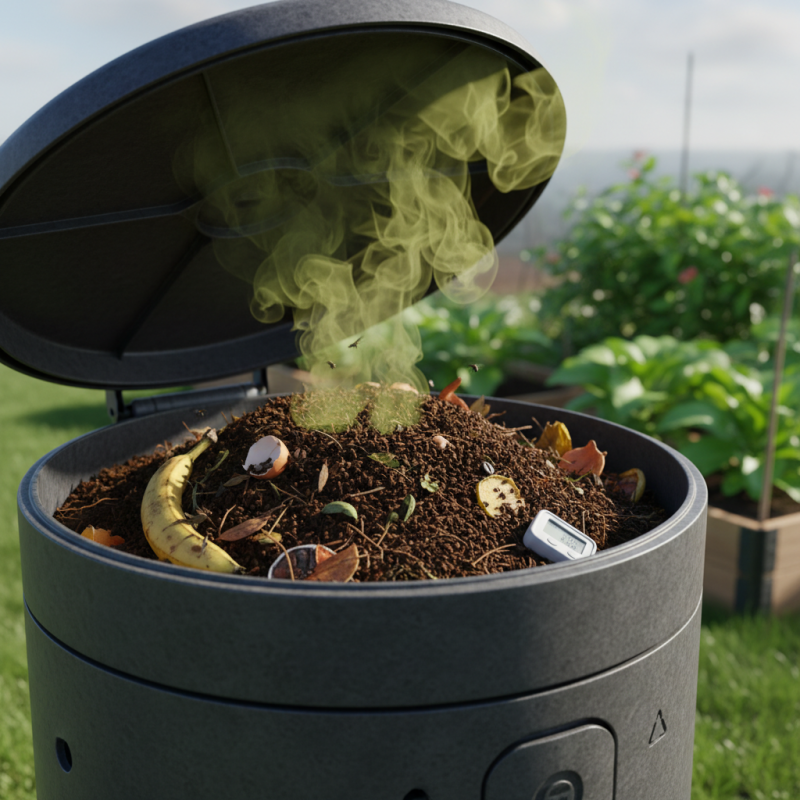
Composting is a rewarding process, but a smelly compost bin can be frustrating. In 2026, understanding the sources of unpleasant odors is crucial for effective management. One main cause of bad smells is an imbalance of green and brown materials. Greens, like kitchen scraps, add nitrogen. Browns, such as dried leaves, provide carbon. If your bin leans too heavily on greens, expect foul odors.
Another factor to consider is moisture levels. Overly wet compost can lead to anaerobic conditions, resulting in a stench. If you notice a strong smell, dig into the pile. A wet interior indicates a need for browns to absorb excess moisture. Remember, air circulation is vital. Turn your compost regularly to introduce fresh oxygen. Without it, odors can develop quickly.
It’s also essential to monitor the types of materials you add. Some items, like meat or dairy, may create strong smells and attract pests. Reflect on your composting habits. In 2026, education and troubleshooting can transform your approach. Embrace the imperfections of the process as opportunities to refine and improve your composting efforts.
A smelly compost bin can be a common issue in 2026. One major reason is an imbalance in carbon and nitrogen levels. Optimal composting requires a ratio of about 30:1 carbon to nitrogen. Too much nitrogen can lead to odors, as materials like kitchen scraps and grass clippings release ammonia. Additionally, a lack of oxygen can result in anaerobic decomposition, producing strong, unpleasant smells.
Moisture levels also play a crucial role. Compost should be moist but not soggy. Excess moisture can lead to slimy, odorous piles. According to industry data, maintaining proper moisture can improve compost quality significantly. Composters should aim for a sponge-like consistency.
Tips for preventing bad smells include regularly turning your compost. This action promotes aeration and encourages healthy microbial activity. Monitoring the compost's carbon-nitrogen ratio helps maintain balance. If your bin starts to smell, adding dry materials like leaves or shredded paper can absorb excess moisture and odors. Taking a moment to adjust your process can lead to fresher results.
A compost bin can sometimes emit
unpleasant odors.
This issue often stems from an imbalance between green and
brown materials. Green materials, like kitchen scraps, provide nitrogen.
Brown materials, such as dried leaves, offer carbon. Without the right mix, the compost can become anaerobic,
leading to foul smells.
Another common culprit is excess moisture. If your bin is too wet,
it can create a breeding ground for bacteria that produce bad odors. To fix this, add dry materials.
Turn the pile regularly to introduce oxygen. This improves aeration and can help eliminate the smell.
Finally, it's crucial to monitor the types of food scraps you add.
Meat, dairy, and oily foods can attract pests and cause odors.
If you notice a stinky situation, reflect on your materials.
Adjusting what goes into the bin can significantly improve the smell.
A little care can ensure your compost bin remains a healthy ecosystem.
Composting is an excellent way to recycle organic waste, but bad odors can spoil the experience. If your compost bin smells foul, it’s often a sign of imbalance. Too much nitrogen-rich material can create a rotten scent. Green materials, like fruit scraps, should be balanced with brown materials, such as dried leaves. Aim for a mix that maintains airflow and prevents anaerobic conditions.
Aerating your compost regularly helps as well. Use a pitchfork to turn the pile every few weeks. This introduces oxygen, which aids decomposition and reduces smells. Additionally, consider adding lime or wood ash to help neutralize odors. Monitoring moisture levels is essential too. If your compost is too wet, it can lead to a sour smell. If that happens, adding dry materials can help absorb excess moisture.
Reflecting on your composting habits is key. Sometimes, we add too much food waste too quickly. It’s important to practice patience and allow time for the compost to mature. Take note of what works and what doesn’t. Adjusting your approach based on observations will yield better results. Effective composting is a learning process, requiring attention and care.
A smelly compost bin can deter many from the benefits of composting. Understanding why odors occur is crucial for maintaining a fresh compost system. A lack of balance between green materials and brown materials often leads to unpleasant smells. Research shows that an ideal carbon-to-nitrogen ratio of 30:1 can help manage odors effectively.
Regularly aerating your compost helps. Turning the pile introduces oxygen, which reduces anaerobic conditions that cause odors. The USDA recommends turning the bin every few weeks. A well-aerated compost pile will break down faster and smell better.
Tips: Add coarse materials like straw or small branches. These improve airflow and help control moisture levels. Monitor the moisture; it should feel like a damp sponge. Too wet can lead to smell.
Using the right ingredients is key. Avoid adding dairy or meat; these attract pests and smell. Instead, focus on plant-based scraps and yard waste. A careful mixture helps build a strong compost that is odor-free.
| Issue | Description | Preventive Measures |
|---|---|---|
| Anaerobic Conditions | Lack of oxygen leads to bad smells due to anaerobic bacteria. | Turn compost regularly to aerate. |
| Too Much Moisture | Excess water can create a soggy environment. | Add dry materials like straw or shredded paper. |
| High Nitrogen Content | Too much green material leads to a strong ammonia smell. | Balance with carbon-rich brown materials. |
| Lack of Carbon | Insufficient carbon can slow down composting. | Incorporate more brown materials. |
| Presence of Meat or Dairy | These materials attract pests and cause odors. | Avoid adding meat, dairy, or oily food scraps. |
: Bad smells often result from an imbalance of green and brown materials. Too many greens create foul odors.
Excess moisture can lead to anaerobic conditions. This results in a strong, unpleasant smell.
If wet, add brown materials to absorb moisture. Dried leaves work well to balance the composition.
Turn the compost regularly, ideally every few weeks. This introduces oxygen and helps reduce odors.
Yes, avoid adding meat or dairy. These can create strong odors and attract pests to your compost bin.
Adding lime or wood ash can help neutralize unpleasant smells in your compost bin.
Rushing by adding too much waste too quickly can disrupt the process. Allow time for proper decomposition.
Keep notes on what works and what doesn’t. Reflecting on your habits helps refine your composting efforts.
Air circulation is vital. Without it, compost can become smelly and less effective in breaking down materials.
Understanding why your compost bin smells bad in 2026 involves recognizing common causes of unpleasant odors. Typically, issues arise from an imbalance of carbon and nitrogen, excessive moisture, or insufficient aeration. Identifying the specific source of the bad smells is essential for effective remediation. By regularly turning your compost, managing moisture levels, and ensuring a proper mix of materials, you can maintain a healthier compost environment.
To prevent foul odors, implementing proactive measures is crucial. Regular monitoring and adjusting the composition of your compost can help answer the question, "Why is my compost bin smelling bad?" By following these guidelines, you can create a smell-free composting system and enjoy the benefits of rich, organic fertilizer for your garden.

Snax Garden