What is the difference between potting mix and garden soil?

Time:2026-06-13 Author:Ethan
0%

When planting, choosing the right medium is crucial. Many gardeners find themselves questioning, "What is the difference between potting mix and garden soil?" Understanding this distinction helps in nurturing healthy plants. Potting mix is specially formulated for container gardening. It offers excellent drainage and aeration. It often includes ingredients like peat moss, perlite, and vermiculite. These components enhance root growth.

On the other hand, garden soil is typically denser and may contain clay, silt, and sand. This type of soil is ideal for in-ground planting. However, its texture can vary greatly depending on your location. Garden soil often retains more moisture but can also lead to root rot if not managed well.

Both potting mix and garden soil serve unique purposes. Knowing when to use each is vital for gardening success. Misunderstanding these differences can lead to disappointment. Acknowledging this can improve your gardening skills.
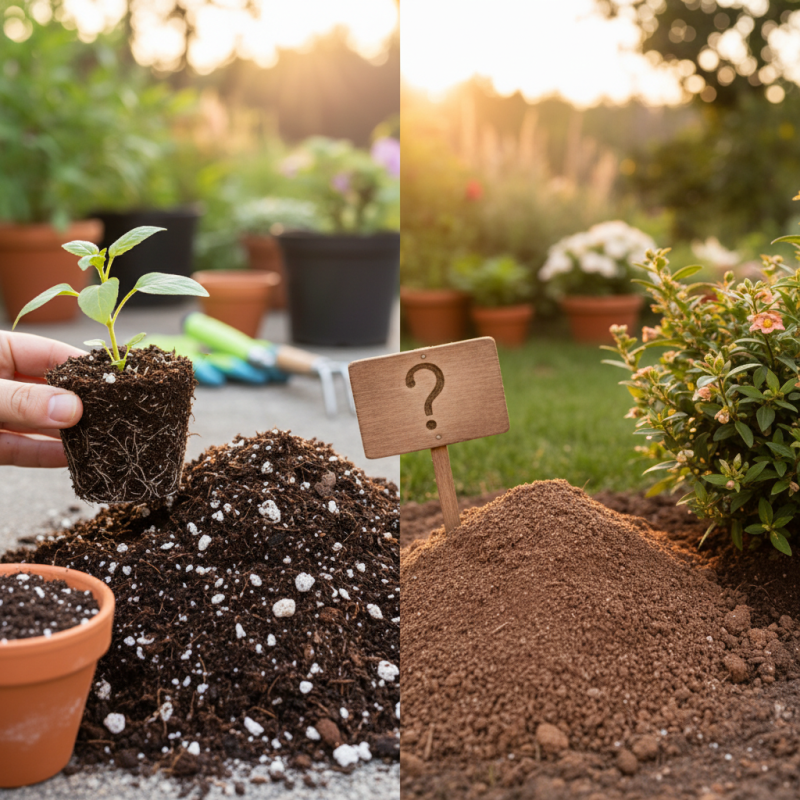
What is the difference between potting mix and garden soil?

Definitions of Potting Mix and Garden Soil

Potting mix and garden soil serve different purposes in horticulture. Potting mix, often called potting soil, is a soilless blend. It usually consists of peat moss, vermiculite, and perlite. These components provide excellent drainage and moisture retention. The National Gardening Association states that potting mixes often have specific nutrients. They are formulated for container plants, ensuring optimal growth conditions.

Garden soil, on the other hand, is the earth found in outdoor spaces. It contains minerals, organic matter, and a diverse range of microorganisms. This soil is often heavy and dense, which can lead to poor drainage in pots. According to the American Society of Landscape Architects, garden soil varies greatly in quality. It can hold more nutrients but may also introduce pests and diseases.

Both media have their pros and cons. Potting mix may lack natural nutrients, requiring additional feeding. Conversely, garden soil can be too compact for container gardening. Carefully considering these factors helps gardeners choose the right medium for their needs. Selecting the appropriate soil type is essential for a successful gardening experience.

What is the difference between potting mix and garden soil?

Aspect Potting Mix Garden Soil
Composition Blend of peat, vermiculite, perlite, and compost Natural soil from the earth's surface
pH Level Usually neutral or slightly acidic Varies widely depending on location
Drainage Excellent drainage Varies; can retain water
Nutrient Content Nutrients added for container growth Natural nutrient profile
Use Cases Containers, indoor plants, and seedlings Gardening in the ground, landscaping

Composition of Potting Mix vs. Garden Soil

When it comes to gardening, the choice between potting mix and garden soil is crucial. Potting mix is specially formulated for containers. It often contains peat moss, vermiculite, and perlite. These components ensure proper drainage and aeration. Garden soil, on the other hand, is often richer in nutrients but may not provide adequate drainage for potted plants. It typically consists of topsoil blended with organic matter and minerals found in your garden.

One important factor to consider is the pH level. Potting mixes often have a neutral pH, making them ideal for a wide variety of plants. Garden soil’s pH can vary greatly depending on location. This inconsistency can affect plant growth. If you decide to use garden soil in pots, consider testing the pH first. You might find it helpful to amend the soil with organic compost to achieve a better nutrient balance.

Tips for using potting mix: Ensure it’s fresh and sterile. Older mixes can harbor unwanted pests. For garden soil, always check for compaction. Aeration is key to healthy roots. Don’t hesitate to blend in some perlite if it feels too heavy. This simple adjustment can make a big difference in plant health.

Comparison of Potting Mix and Garden Soil

Uses and Applications of Potting Mix and Garden Soil

Potting mix and garden soil serve distinct roles in gardening. Potting mix is tailored for container gardening. It's lightweight and well-aerated, ensuring roots receive adequate oxygen. In contrast, garden soil is designed for outdoor use. It typically retains more moisture and nutrients, making it suitable for in-ground planting. According to NASA's research, potting mixes often enhance plant growth, yielding up to 30% more than traditional garden soil.

When considering applications, potting mix is invaluable for indoor plants and seedlings. It often includes components like peat moss, perlite, and vermiculite. These materials adjust pH and increase drainage. Garden soil, enriched with compost, is beneficial for perennials and shrubs. However, it may vary in quality based on local conditions. A study by California’s Soil Resources Laboratory noted that garden soil could introduce pests or diseases into your garden. Understanding the specific needs of your plants ensures the right medium is selected for optimal growth.

Benefits and Drawbacks of Each Type of Soil

Potting mix and garden soil serve different purposes. Potting mix is a specialized blend for container planting. It often includes peat moss, perlite, and compost. This mix provides excellent drainage and aeration for plant roots. However, it may lack nutrients compared to garden soil. If plants are left in potting mix for too long, they might suffer from nutrient deficiencies.

Garden soil, on the other hand, is rich in organic material. It holds moisture well and provides essential nutrients to plants. Its dense structure supports larger plants like vegetables and flowers. Yet, garden soil can compact over time, which may hinder root growth. Weeds and pests are also more common in garden soil. While it can be great for in-ground planting, it might not work well in containers.

Choosing between the two depends on your gardening needs. Potting mix is ideal for limited spaces, while garden soil is better for a traditional garden setup. Consider your plants’ requirements. Understanding these differences can lead to healthier plants and a more successful garden.

Factors to Consider When Choosing Between Potting Mix and Garden Soil

When deciding between potting mix and garden soil, consider several key factors. Potting mix is designed for container gardening. It offers excellent drainage and aeration, crucial for potted plants. Garden soil, on the other hand, is denser and retains moisture better, making it ideal for in-ground planting.

Nutrient composition varies significantly between the two. Potting mixes often contain fertilizers to support plant growth in limited spaces. Garden soil may lack these additives. This difference means that plants in pots may need more frequent feeding as nutrients get depleted quicker.

Texture also plays a role. Potting mix is typically lighter and fluffier. This texture helps roots spread easily. Garden soil can be heavy and compacted, which may hinder root development. Reflecting on your specific gardening needs can guide you to the right choice. Both options can be beneficial; however, understanding their unique properties is essential for effective plant care.

FAQS

: What is potting mix made of?

: Potting mix usually contains peat moss, vermiculite, and perlite. These components help with drainage and moisture retention.

How does potting mix benefit container plants?

Potting mix is lightweight and well-aerated. It ensures that roots receive enough oxygen for healthy growth.

What is garden soil?

Garden soil is outdoor earth that contains minerals and organic matter. It often varies in quality and nutrient content.

Why is garden soil not ideal for pots?

Garden soil is usually heavy and dense. It can lead to poor drainage in container gardening situations.

Does potting mix provide nutrients?

Potting mix often lacks natural nutrients. Additional feeding may be required to support plant growth in pots.

Can garden soil introduce problems?

Yes, garden soil can introduce pests and diseases into your garden. Its quality can vary based on location and conditions.

When should I use potting mix?

Use potting mix for indoor plants and seedlings. It's designed specifically for container gardening.

What should I consider when choosing soil?

Reflect on your plants’ needs, drainage requirements, and nutrient availability to select the right soil type.

Is garden soil beneficial for any plants?

Yes, garden soil works well for perennials and shrubs. It holds moisture and nutrients better for in-ground planting.

What challenges might arise from using these soils?

Potting mix may need more frequent feeding, while garden soil may become compacted, hindering root development.

Conclusion

The article titled "What is the difference between potting mix and garden soil?" explores the distinct characteristics and applications of these two commonly used growing mediums. Potting mix is a specially formulated medium designed for container gardening, typically consisting of organic materials like peat moss, perlite, and vermiculite, which provide good aeration and drainage. In contrast, garden soil is the natural soil found in outdoor environments, often enriched with nutrients but may vary in texture and composition.

The article further discusses the benefits and drawbacks of each type, highlighting that potting mix is ideal for potted plants and indoor gardening due to its lightweight nature, while garden soil is better suited for outdoor planting and landscaping. Additionally, it emphasizes essential factors to consider when choosing between potting mix and garden soil, such as plant type and growing conditions, ensuring gardeners can make informed decisions based on their specific needs.

Ethan

Ethan

Ethan is a seasoned marketing professional with a deep expertise in our company's innovative product line. With a passion for sharing knowledge and insights, he takes the lead in regularly updating our corporate blog, where he explores industry trends, product features, and effective marketing......