Creating a vibrant atmosphere in a small balcony garden can be challenging. Renowned landscape designer, John Stevens, suggests, “In a small space, every detail matters.” This emphasizes the importance of thoughtful planning. Small balconies may feel restrictive, yet they hold great potential. With strategic choices, you can transform yours into a lush retreat.
Consider using vertical space. Hanging planters and wall-mounted pots can maximize your area. Incorporate plants of varying heights to create depth and interest. Think about colors and textures. Combining leafy greens with vibrant flowers can invoke a lively ambiance. However, it's important to remain realistic. Too many plants can lead to overcrowding, making care more difficult.
Remember, personal touches matter in small spaces. Choose furniture that fits your style but is also functional. A well-placed chair can invite relaxation. Ensure the materials are weatherproof. Each decision contributes to the overall experience. Adapting to a small balcony may require some trial and error. Embrace imperfections. Reflect on what truly brings you joy in this tiny garden oasis.
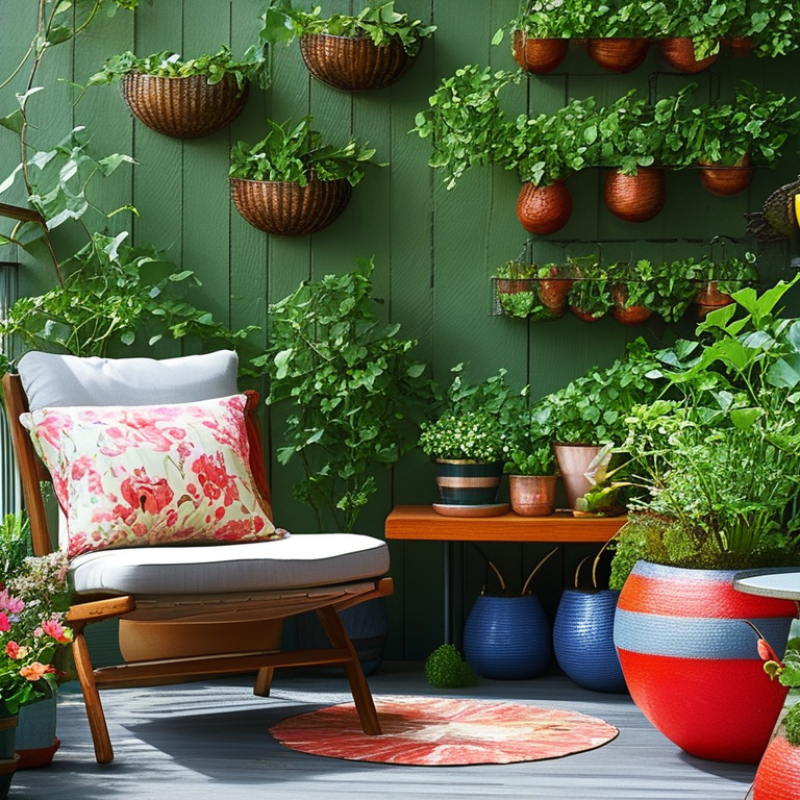
Creating a lush balcony garden in a small space requires thoughtful plant selection. Choosing the right plants can maximize your space's potential. According to a recent report by the National Gardening Association, around 35% of urban dwellers are now opting for container gardening. This trend highlights the benefits of utilizing vertical spaces and compact plant varieties.
Opt for plants that thrive in limited conditions. Herbs, such as basil and mint, flourish in pots. They require minimal space and provide fresh produce. Pollinator-friendly flowers, like nasturtiums and marigolds, can attract beneficial insects while adding vibrant colors. A study published in the Journal of Urban Ecology states that small gardens can significantly boost local biodiversity, encouraging more wildlife even in urban areas.
Be mindful of sunlight exposure. Some plants need full sun, while others prefer shade. Succulents and cacti thrive in bright light, whereas ferns do well in low-light spaces. A mixed approach can create a diverse garden aesthetic. It’s crucial to regularly assess your plant growth and adapt your choices. Not every plant will succeed in their given environment, and this trial and error can lead to valuable insights for future gardening efforts.
Maximizing vertical space in a small balcony garden can transform your outdoor area. Using planters and trellises allows you to grow more plants without taking up precious floor space. Vertical gardening not only maximizes space but also adds visual interest. Choose planters that can be hung on walls or placed on shelves. Each level can host different plants, creating a lush, layered effect.
Trellises are fantastic for climbing plants, like beans or peas. They provide a sturdy structure for plants to thrive. Consider using wooden or metal trellises to complement your style. Attach them firmly to walls or railing. When choosing plants, think about sunlight and water needs. It’s crucial to provide appropriate care, as not all plants thrive together.
Take time to reflect on your choices and plant health. Observation is key in gardening. There may be moments of disappointment. Some plants may not flourish as expected. But learning from these experiences enhances future growth. Integrating vertical elements allows your small space to feel larger, while still being stylish and functional.
| Element | Description | Benefits | Recommended Plants |
|---|---|---|---|
| Wall Planters | Vertical planters attached to a wall or balcony railing. | Saves floor space and creates a green wall effect. | Herbs, Succulents, Pansies |
| Trellises | Support structures for climbing plants to grow vertically. | Maximizes vertical growth, provides shade, and looks beautiful. | Clematis, Sweet Peas, Tomatoes |
| Hanging Baskets | Baskets that hang from hooks or brackets. | Adds dimension and color, and can be placed out of reach. | Ferns, Petunias, Lobelia |
| Vertical Garden Systems | Commercial kits designed for growing plants upright. | Efficient use of space with modular designs. | Strawberries, Lettuce, Basil |
| Railing Planters | Planters that sit on balcony railings. | Utilizes railing space and is easy to care for. | Marigolds, Herbs, Begonias |
Creating a cozy atmosphere on a small balcony garden involves smart furniture choices. Functional furniture is not just a trend; it’s a necessity in tight spaces. According to a National Gardening Association report, 35% of urban dwellers prefer outdoor spaces for relaxation. When designed effectively, a balcony can be both practical and inviting.
Consider foldable chairs and nesting tables. They save space and can be easily stored when not in use. Add a small bench with storage underneath for cushions or plants. Layered lighting, such as string lights or lanterns, enhances ambiance while being functional.
Tip: Use vertical gardening solutions, like wall planters. They maximize plant space without cluttering your area.
A cozy balcony is also about comfort. Use colorful cushions and textured throws. These provide a warm look while inviting you to sit and enjoy. However, be mindful of weather conditions. Cushions may fade or wear down if exposed constantly. Regular maintenance is key.
Tip: Rearrange furniture occasionally to keep the space feeling fresh and new. This practice can provide new perspectives, making your garden feel revitalized.
In urban settings, small balconies are often underutilized. Efficient watering systems can transform these spaces into thriving gardens. According to a report by the American Society of Landscape Architects, nearly 30% of gardeners find watering a challenge. This is especially true in compact areas where traditional watering methods may not be practical.
Drip irrigation systems are a game-changer. They deliver water directly to plant roots, reducing waste. By using drip emitters, you can minimize water consumption by up to 60%. This method also allows for better soil moisture management, essential for small containers. However, installation can be tricky. Not all balconies can accommodate complex systems without remediation.
Automation is another option. Timers and sensors can help regulate watering schedules. According to a survey by the Garden Media Group, over 50% of gardeners prefer automated systems for their convenience. Yet, there is a balance to strike. Over-watering can lead to root rot, especially in small pots. Regular monitoring is necessary to optimize plant health and water efficiency.
Creating a seasonal plan for a small balcony garden is essential for ensuring continuous blooms and growth. Start by selecting plants that thrive in your local climate. According to the National Gardening Association, over 80% of gardeners plan their plantings according to seasonal changes. This ensures optimal growth and vibrant colors throughout the year.
In spring, consider planting perennials and vibrant annuals that will flourish as temperatures rise. Flowers like marigolds and petunias add a splash of color. During summer, switch to heat-tolerant varieties such as zinnias. They can handle intense sunlight and maintain their blooms longer. Notably, research indicates that balcony gardens can improve air quality by up to 30%, making your small space not only attractive but healthier.
As fall approaches, think about incorporating gourds and ornamental cabbages. While winter may seem like a barren time, certain greenery like winter pansies can brighten up the space. Reflect on the plant combinations that work best for your small balcony. Experimentation is key, and some plants may not thrive as expected. Document your successes and failures. Continuous reflection on your plant choices will ultimately lead to a more vibrant and flourishing balcony garden.
: Herbs like basil and mint are ideal. They need little space and can be grown in pots.
Pollinator-friendly flowers, such as nasturtiums and marigolds, can attract these insects while adding color.
Some plants thrive in full sun, while others prefer shade. Assess light levels before choosing.
Use planters and trellises. They help grow plants upwards, creating a layered and lush effect.
Yes, regularly assessing plant growth is crucial. Not all plants succeed, and adjustments may be needed.
Create a seasonal planting plan. Choose plants that thrive in each season for ongoing growth.
Ignoring plant health and environmental factors can lead to disappointment. Learning from failures is important.
Mix different plants and use vertical gardening techniques for added interest and style.
Winter pansies can brighten up spaces during winter. They add color when many plants are dormant.
Reflecting on plant choices and outcomes helps improve future gardening efforts and overall success.
In the article "How to Easily Decorate a Small Balcony Garden?", various strategies are outlined to help transform a compact outdoor space into a lush retreat. First, it emphasizes the importance of choosing the right plants that can thrive in limited space, allowing for a vibrant display without overcrowding. To maximize the area, vertical planters and trellises can be utilized, providing additional growing space for climbing plants and flowers.
Furthermore, incorporating functional furniture creates a cozy atmosphere, encouraging relaxation and enjoyment of the garden. Efficient watering systems are also crucial, ensuring that plants receive adequate moisture without the hassle of traditional watering methods. Lastly, the article suggests creating a seasonal plan to ensure continuous blooms and growth throughout the year, enhancing the aesthetic appeal of your small balcony garden. Overall, these practical tips offer a comprehensive guide on how to decorate a small balcony garden effectively.

Snax Garden