Creating healthy garden soil is essential for successful gardening. Many gardeners ask, "How to improve garden soil quality at home?" Research from the Soil Science Society of America shows that soil quality directly affects plant health, crop yield, and long-term sustainability. In fact, poor soil can lead to nutrient deficiencies and increased pest issues.
Improving soil quality requires a multifaceted approach. Practices such as composting can enrich the soil with vital microorganisms and nutrients. A study published in the Journal of Environmental Quality found that compost can enhance soil structure by increasing aeration and drainage. Additionally, incorporating organic matter not only boosts nutrients but also aids in water retention. This becomes crucial during dry spells.
Numerous gardeners overlook soil testing. Neglecting this step can lead to misguided amendments. Testing provides a clear picture of pH levels and nutrient content. Without this insight, efforts to enhance soil may fail to deliver the desired results. Often, it is about trial and error, learning from what works and what doesn’t. Effective soil management is an ongoing process that aligns ecological principles with practical gardening techniques.
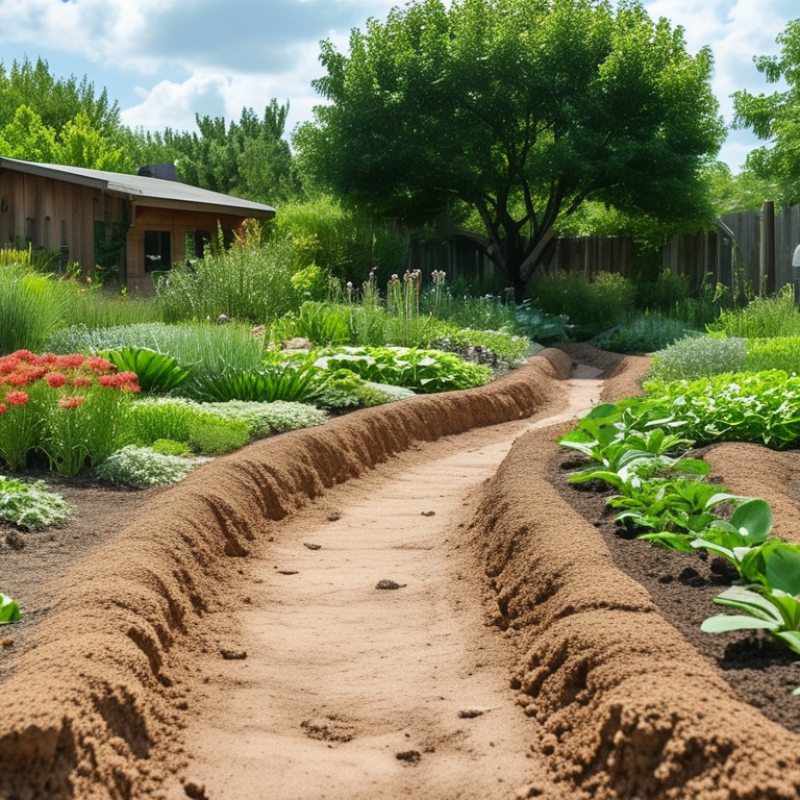
Soil composition plays a crucial role in garden success. Healthy soil is rich in organic matter, minerals, air, and water. According to the USDA, healthy soil consists of around 25% water, 25% air, 45% minerals, and 5% organic material. The balance among these components is vital. Too much clay can lead to poor drainage, while sandy soil may not retain enough nutrients.
Microorganisms thrive in diverse soils. One study from the Soil and Water Conservation Society highlights that soils with higher organic content increase microbial diversity. This diversity boosts soil fertility and plant health. Home gardeners often overlook the importance of microbial life. Without it, nutrients may not be available for plants. Composting is one effective way to enhance organic matter in soil.
Gardeners should also check pH levels. The ideal pH range for most plants is between 6.0 and 7.5. Soil that is too acidic or alkaline can hinder nutrient absorption. Testing kits are available at garden centers or online. It's worth noting that improving soil quality is an ongoing process. It requires attention and adjustment over time, rather than a one-time fix.
| Tip | Description | Benefits |
|---|---|---|
| Test Soil pH | Analyze soil to determine its pH level, ideal for plant growth. | Ensures optimal nutrient availability. |
| Add Organic Matter | Incorporate compost or well-rotted manure into soil. | Improves soil structure and fertility. |
| Mulching | Cover soil with organic materials to retain moisture. | Reduces weed growth and temperature fluctuations. |
| Crop Rotation | Rotate different plant types in a specific location each season. | Prevents soil depletion and crop diseases. |
| Cover Crops | Grow specific plants during off-seasons to protect soil. | Enhances soil structure and nutrient levels. |
: Organic amendments, such as compost, manure, and mulches, enhance soil quality in gardens. They improve nutrient availability and soil structure.
Homemade compost can be created from kitchen scraps, yard waste, and fallen leaves. Remember to be patient, as it takes time to decompose.
Manure is nutrient-rich, especially in nitrogen. Aged or composted manure reduces pathogen risks and promotes plant growth.
Fresh manure can lead to odor and pests. It's crucial to choose aged manure based on gardening needs.
Mulches help retain moisture and suppress weeds. Organic mulches eventually decompose, adding nutrients back to the soil.
Yes, excessive mulch can cause too much moisture retention, leading to root rot in plants. Balance is essential for healthy growth.
Incorporating organic matter, like compost, enhances drainage. Installing systems like raised beds also improves aeration and water management.
Yes, mixing sand with clay can improve drainage. However, too much sand might reduce nutrient retention, so moderation is vital.
Regular monitoring is important. Too much mulch can cause waterlogging, defeating its benefits. Adjustments may be needed with seasonal changes.
Balancing amendments like compost and mulch is crucial. Reflect on your garden's needs and adjust practices as necessary.
Improving garden soil quality at home is essential for fostering healthy plant growth and a thriving garden. Firstly, understanding the composition of your soil and its significance helps in recognizing its strengths and weaknesses. Regular assessments through soil tests and visual observations can provide insights into nutrient levels and pH balance, allowing for informed improvements.
Organic amendments such as compost, manure, and mulches are crucial in enriching soil nutrients and enhancing microbial activity. Additionally, incorporating cover crops and green manures can boost soil health by preventing erosion and replenishing nutrients. Finally, employing techniques to improve drainage and aeration ensures that roots receive adequate water and oxygen, setting the stage for a flourishing garden. By following these strategies, you can effectively learn how to improve garden soil quality at home.

 Snax Garden