In the world of greenhouse gardening, air circulation plays a crucial role. Why is air circulation important in a greenhouse? Without proper airflow, plants suffer from heat buildup and humidity. This can lead to mold and disease, jeopardizing the health of your crops.
Effective air circulation ensures that plants receive the right temperature and moisture levels. It also helps distribute essential nutrients. However, implementing air circulation can be a challenge. Greenhouse design, weather conditions, and plant types must all be considered. Sometimes, even a small change in airflow direction can impact plant growth significantly.
For greenhouse enthusiasts, understanding these dynamics is key. Neglecting air circulation can lead to catastrophic results. Focusing on airflow is not just a technical task; it requires deep observation and a willingness to adapt. A thoughtful approach can transform a greenhouse into a thriving ecosystem.
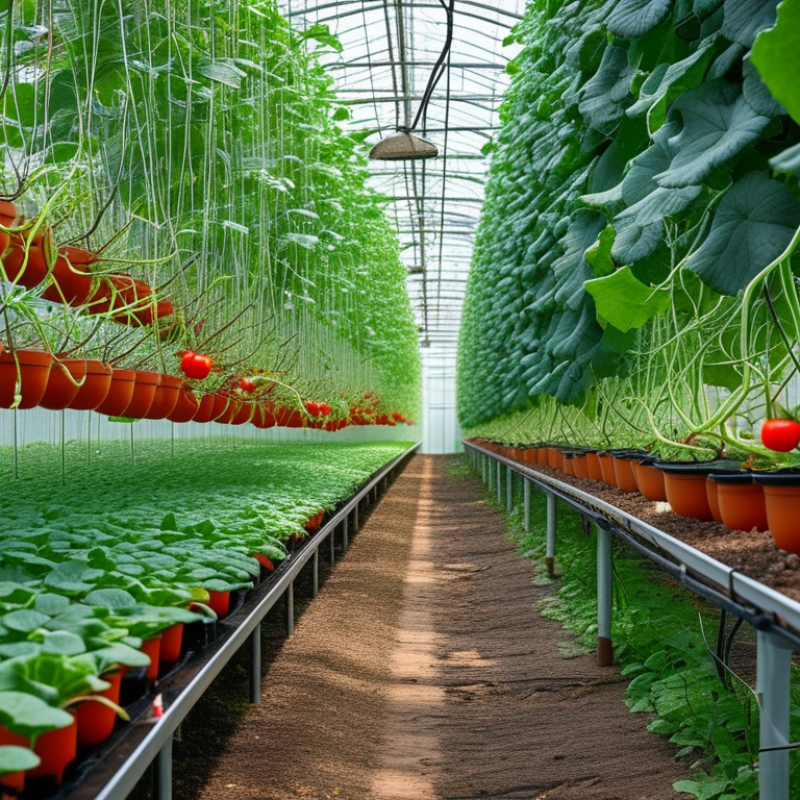
Understanding the Importance of Air Circulation in a Greenhouse
Air circulation plays a crucial role in maintaining a healthy greenhouse environment. Without proper airflow, plants can suffer from heat stress and diseases. Stagnant air can lead to mold growth and pest infestations. It is essential to understand the importance of ensuring that fresh air reaches every plant.
There are various methods to improve air circulation. Using fans or vents can help distribute air evenly. Positioning plants with adequate spacing also allows for better airflow.
However, achieving the right balance can be challenging. Too much circulation may dry out plants, while too little can create a humid atmosphere. It's an ongoing process of observation and adjustment.
Monitoring temperature and humidity levels regularly aids in understanding the greenhouse environment. This effort may feel overwhelming at times, especially when immediate changes don’t yield expected results. Learning from these instances can guide better airflow practices.
Always remember, the goal is to create the best possible environment for your plants to thrive.
Identifying Factors Affecting Airflow and Ventilation
In a greenhouse, airflow is crucial for plant health. Several factors can impact ventilation and air circulation. The size and shape of the greenhouse play a significant role. Tall structures may trap heat, while wider spaces can enhance air movement. Assess how your greenhouse design affects airflow.
Temperature differences inside the greenhouse also affect air circulation. Warm air rises, creating a natural convection. Installing vents at high points allows this warm air to escape. Conversely, intake vents at lower levels let cooler air enter. Regularly check the positioning of these vents to ensure efficiency.
Plants themselves can impact airflow. Too many plants or poor arrangements can block ventilation pathways. Keep enough space between plants for air to flow freely. If your greenhouse feels stuffy, it may be time to rethink plant arrangements. Observing how air moves can lead to improvements in your setup.
How to Ensure Proper Air Circulation in a Greenhouse? - Identifying Factors Affecting Airflow and Ventilation
| Factor |
Description |
Impact on Airflow |
Recommendation |
| Temperature Gradient |
Difference in temperature between inside and outside |
A steeper gradient can enhance airflow |
Use heaters or shade cloth to manage temperature |
| Ventilation Openings |
Windows, vents, and doors for airflow |
Limited openings can restrict air movement |
Ensure adequate and adjustable openings |
| Airflow Obstacles |
Plants, benches, and equipment blocking airflow |
Can lead to stagnant air and hot spots |
Arrange plants and equipment to facilitate airflow |
| Humidity Levels |
Amount of moisture in the air |
High humidity can reduce airflow efficiency |
Use dehumidifiers or fans to manage humidity |
| Wind Direction |
Outer wind patterns affecting airflow |
Can enhance or disrupt internal airflow |
Position vents to optimize for prevailing winds |
Selecting Appropriate Ventilation Systems for Your Greenhouse
Proper ventilation is crucial for effective greenhouse management. A well-planned ventilation system enhances air circulation and regulates temperature and humidity. According to industry reports, optimal airflow can increase plant growth rates by up to 30%. Yet, the choice of ventilation system can significantly impact sustainability and energy consumption.
Selecting the right ventilation type, such as passive or active systems, is essential. Passive ventilation relies on natural air movement, which may not always be sufficient. For instance, vents at the peak and sides of the greenhouse can take advantage of wind. Active systems, on the other hand, utilize fans to enhance airflow. These systems can introduce fresh air efficiently but may increase energy costs. Research indicates that active systems can reduce humidity levels by 50%, provided they are correctly sized and installed.
It is important to consider the climate and greenhouse structure. Each greenhouse may have different needs depending on the crops being grown. Using a mixed-ventilation approach can offer flexibility. However, it requires constant monitoring and adjustments. Many growers often overlook how improper ventilation can lead to fungal diseases or stunted growth. Each decision should be based on thorough research and specific environmental conditions.
Implementing Natural and Mechanical Air Circulation Techniques
Air circulation is crucial in a greenhouse. It helps maintain optimal temperature and humidity levels. This can prevent diseases and promote healthy plant growth. According to a study by the American Society for Horticultural Science, effective air circulation can increase yields by up to 30%.
Implementing natural air circulation involves positioning vents and windows to harness wind. Strategically opening these points can create a cross-breeze. However, relying solely on natural methods has limits. Weather conditions can change rapidly, making it necessary to have mechanical options as backup. Fans can help regulate airflow, especially during calm days.
Tips: Regularly check for obstacles blocking airflow. Trees or taller structures can interfere. Measure temperature and humidity levels frequently. This monitoring helps adjust your strategies. Balance natural and mechanical systems for best results. This holistic approach can strengthen plant resilience and productivity.
Air Circulation Techniques in Greenhouses
This chart illustrates the effectiveness of various air circulation techniques employed in greenhouses. The data represents their impact on temperature regulation and humidity control, which are crucial for optimal plant growth.
Monitoring and Adjusting Airflow for Optimal Plant Growth
To ensure optimal plant growth in a greenhouse, monitoring and adjusting airflow is essential. Proper air circulation helps regulate temperature and humidity levels. This balance is crucial for preventing mold and promoting healthy plant development. Stagnant air can lead to increased pests and diseases. Plants thrive in a well-ventilated environment where fresh air circulates freely.
Regularly using a hygrometer and thermometer can gauge humidity and temperature levels. It’s important to create a routine for checking these factors. Adjusting vents and fans based on readings helps maintain a conducive atmosphere. However, over-ventilating can also be harmful. It may lead to rapid temperature drops and stress plants. Finding the right balance requires continuous observation and sometimes trial and error.
Using shade cloths can help reduce heat during peak hours. However, this can also block vital sunlight, which plants need to grow. Reflecting on airflow solutions and making regular adjustments is key. An ideal greenhouse environment is one that evolves with the weather. Striking the right airflow balance can be a complex process. Don’t hesitate to make changes as needed for the best results.
Conclusion
Proper air circulation in a greenhouse is crucial for ensuring optimal plant growth and health. Understanding the importance of air circulation in a greenhouse helps in maintaining stable temperatures, humidity levels, and preventing mold and diseases. Factors such as greenhouse design, size, and the environment play a significant role in airflow and ventilation.
Selecting appropriate ventilation systems, whether natural or mechanical, is essential to enhance air movement. Techniques such as strategically placed vents, fans, and exhausts can aid in improving circulation. Additionally, monitoring and adjusting airflow regularly ensures that plants receive the ideal conditions for thriving. Ultimately, the question of "Why is air circulation important in a greenhouse" highlights its role in promoting a healthy growing environment that supports plant vitality and productivity.

 Snax Garden