Indoor plants bring life and greenery to our homes. However, there are times when we notice alarming signs, like yellow leaves. This brings up the critical question: "Why are my indoor plant leaves turning yellow?" According to Dr. Lisa Eldridge, a renowned horticulturist, "Yellow leaves often indicate stress in plants, whether from overwatering, nutrient deficiencies, or pests."
Understanding the reasons behind yellow leaves can improve your plant care. Overwatering is a common culprit. It suffocates roots and leads to yellowing. On the other hand, nutrient deficiencies from poor soil or lack of fertilizers can also cause this alarming change. Additionally, pests can drain the life from your plants, leading to yellow leaves.
Addressing the issue of yellow leaves requires a keen observation and willingness to adjust your care routine. Look for signs of root rot and examine the soil moisture levels. Always remember that plant care isn’t an exact science. Mistakes happen. The key lies in learning from them and adjusting your methods over time. By understanding why indoor plants suffer, you can act quickly to revive their health. Expert advice combined with personal trial and error fosters better growth.
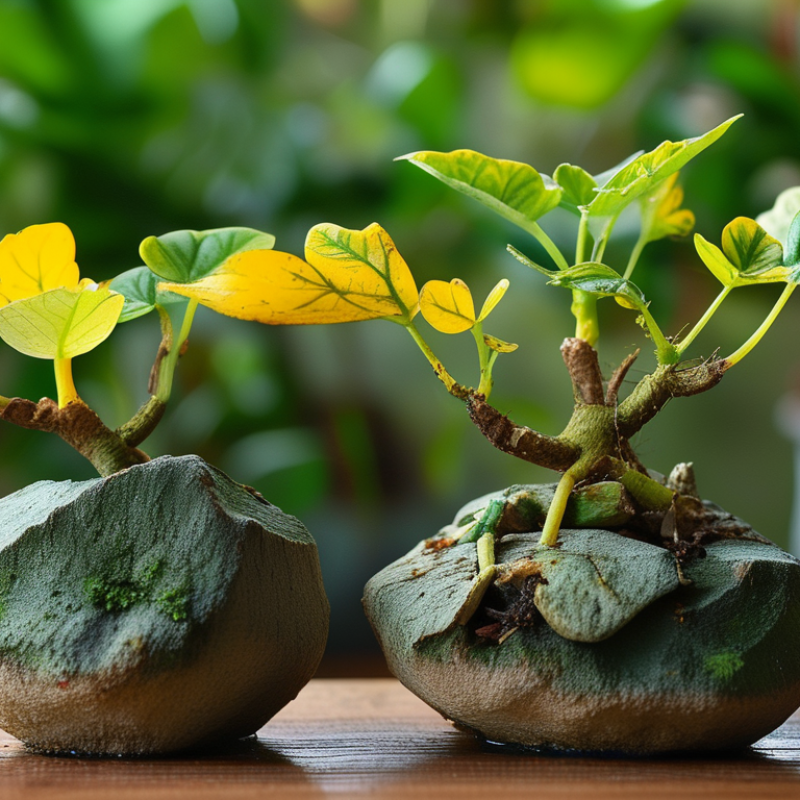
Yellow leaves on indoor plants can be alarming. They often signal underlying issues that need addressing. To fix this problem quickly, it's crucial to identify common causes.
One primary reason for yellowing leaves is overwatering. When the roots sit in water, they struggle to get oxygen. This leads to root rot and ultimately, yellow leaves. Check the soil moisture before watering. If the topsoil is still wet, hold off on giving your plant a drink.
Another common cause is a lack of nutrients. Plants need balanced fertilizer to thrive. If your plant has not received fertilizer in a while, it may show yellow leaves. Observe the growth pattern as well. Stunted or slow growth can indicate nutrient deficiency. Adjust your feeding schedule accordingly. Lastly, consider light conditions. Too much direct sunlight or not enough can affect leaf color. Adjust the position or use sheer curtains to provide the right amount of light.
When indoor plants develop yellow leaves, it often signals a problem with watering habits. Overwatering is a common culprit. Roots need oxygen, and overly saturated soil can suffocate them. Adjusting your watering schedule can lead to healthier plants. For most indoor plants, allowing the top inch of soil to dry out between waterings is beneficial. Check soil moisture regularly to determine when to water.
Underwatering can also cause yellowing. In this case, the leaves may become crispy and dry. Plants in small pots dry out faster than those in larger ones. If your plant is consistently thirsty, reassess your watering frequency. Create a routine to keep it hydrated properly, especially during warmer months.
Observe your plant’s response after adjustments. Keep a journal of changes you make. This increases understanding and helps identify patterns over time. If yellow leaves persist, there might be other underlying issues. Environmental factors like light and temperature should also be considered for a holistic approach to plant care.
Light plays a crucial role in the health of indoor plants. Insufficient light can cause leaves to yellow. Plants often react to low light by conserving energy. This leads to weakened, unhealthy foliage. Understanding your plant's light needs is essential for maintaining vibrant green leaves.
Observe where your plants are placed. Is there enough natural sunlight? A south-facing window typically provides more light. Conversely, a north-facing window may not be adequate. If your plants are not thriving, consider relocating them.
Yet, not all light is created equal. Direct sunlight can scorch some plants. Indirect sunlight might be best for others. Monitor your plants closely after making adjustments. You may notice changes in leaf color within a few weeks. If yellowing persists, re-evaluate their light exposure regularly. This process may require some trial and error.
Yellow leaves on indoor plants often indicate nutrient deficiencies. Plants require a balanced mix of nitrogen, phosphorus, and potassium for healthy growth. A study from the American Society of Horticultural Science highlights that nitrogen deficiency leads to yellowing in older leaves, as this nutrient is vital for chlorophyll production. Identifying the exact nutrient lacking can lead to quicker recovery.
Observing growth patterns plays a crucial role. If a plant shows stunted growth alongside yellow leaves, it may indicate inadequate nutrients. Excessive water, poor soil, or insufficient light often aggravate these issues. Agronomy experts report that applying a balanced fertilizer can improve leaf color and overall health. However, over-fertilization can damage roots, leading to more yellowing.
Regular soil testing is essential. This allows for more accurate nutrient assessments, preventing potential deficiencies. Research indicates that maintaining soil pH levels between 6.0 and 7.0 promotes nutrient absorption. An imbalance can hinder uptake, leading to inadequate nourishment and yellow leaves. It's essential to reflect on care routines regularly, seeking improvement for healthier indoor plants.
Inspecting for pests and diseases is crucial when addressing yellow leaves on indoor plants. Start by examining the leaves, stems, and soil closely. Look for any small insects that might be hiding. Aphids, spider mites, and mealybugs can all cause yellowing. You may notice tiny webs or a sticky residue. These are signs of a pest problem.
Fungus and mold can also affect plant health. Check for spots or discoloration on leaves. Fungal infections might manifest as powdery mildew. If you see these symptoms, you need to act quickly. Remove affected leaves and improve air circulation around the plant. This simple step can make a significant difference.
It's essential to maintain a regular inspection routine. Many plant parents overlook this step. Pests can multiply rapidly, making it harder to control them. Don't hesitate to get hands-on. A quick rinse in the shower can dislodge pests. If necessary, consider organic solutions like neem oil. However, always test any treatment on a small area first. Each plant is unique. Your approach should reflect that.
: Yellow leaves often signal watering issues. It may be due to overwatering or underwatering.
Adjust your watering schedule. Allow the top inch of soil to dry before watering again.
This could indicate underwatering. Reassess your watering frequency and create a consistent routine.
Insufficient light may cause leaves to yellow and weak foliage. Observe the placement of your plants.
A south-facing window often provides the most light. Consider relocating plants if they are struggling.
Yes, direct sunlight can scorch certain plants. Indirect sunlight may be a better option for them.
Regularly check soil moisture, especially between waterings. This helps ensure proper hydration.
If yellowing continues, check other factors like light and temperature. Your plants may need a holistic approach.
Recording changes increases your understanding of plant responses. It helps identify patterns over time.
Yes, adjusting care often requires trial and error. Be prepared for some imperfect results as you learn.
Indoor plants may experience yellowing leaves for various reasons, leading many to wonder, "Why are my indoor plant leaves turning yellow?" The first step is to identify common causes, such as overwatering or underwatering, which can severely impact plant health. Adjusting your watering habits can often remedy the issue, ensuring that the roots receive the right amount of moisture.
Furthermore, evaluating light conditions is crucial, as insufficient or excessive sunlight can alter the color of leaves. Alongside light, checking for any nutrient deficiencies is essential, as a lack of key nutrients can hinder growth and vibrancy. Finally, inspecting for pests and diseases is necessary, as these issues can also contribute to the distress of indoor plants, leading to yellow leaves. By systematically addressing these factors, you can restore your plants to a healthy, green state.

Snax Garden