Indoor plant enthusiasts often face a troubling issue: yellowing leaves. Experts frequently hear the question, "Why are my indoor plant leaves turning yellow?" Dr. Amy Williams, a well-respected horticulturist, emphasizes, "Yellowing leaves are a plant's cry for help." This distress signal can indicate various problems, from improper watering to pest infestations.
When leaves start to lose their vibrant green color, it’s essential to act quickly. Factors such as overwatering or nutrient deficiencies can lead to this symptom. Ensuring proper drainage and providing balanced fertilizer can often remedy these issues. It's crucial to observe your plant and reflect on its care routine.
However, diagnosing the problem isn't always straightforward. Each plant species has unique needs, and what works for one may not suit another. Being diligent in monitoring your plants is vital. You might need to experiment with different care strategies. Understanding the underlying causes of yellowing leaves is key to restoring your indoor plants to their lush glory.
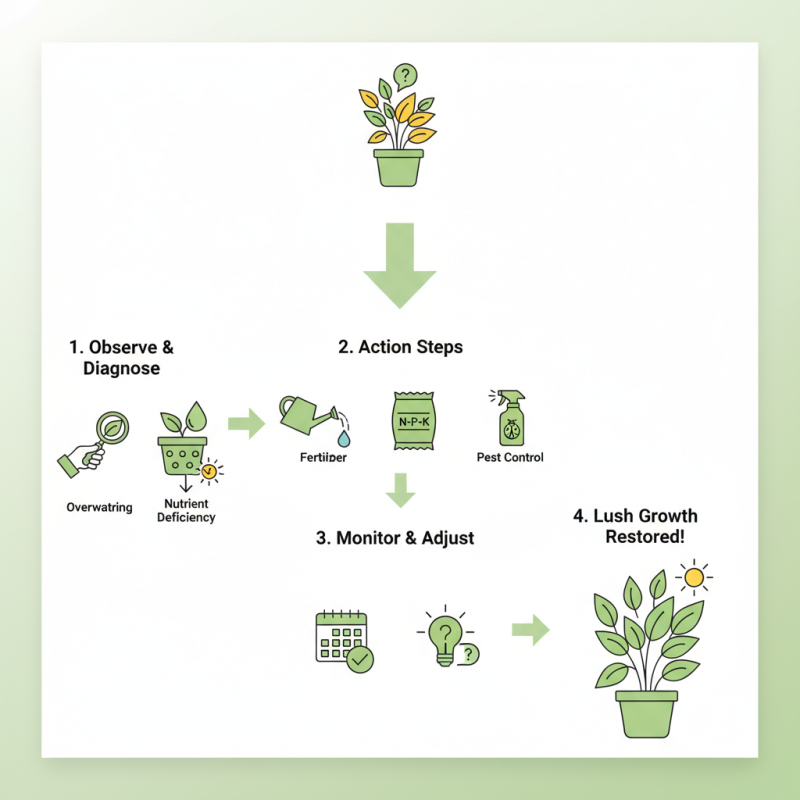
Yellowing leaves on indoor plants can signal a range of issues. Often, improper watering is a key culprit. Overwatering leads to root rot, while underwatering causes stress. Check the soil moisture regularly. If it feels soggy, cut back on water. That’s an easy fix. On the other hand, parched soil needs immediate attention.
Lighting conditions also play a crucial role. Too much direct sunlight can scorch leaves. Conversely, insufficient light can stunt growth. Observe where your plant is placed. A location with filtered sunlight may be ideal. Additionally, consider temperature fluctuations. Plants thrive in stable environments. A sudden draft could cause distress, leading to yellowing.
Nutrient deficiency is another common cause. Lack of nitrogen, iron, or magnesium can lead to poor leaf health. Consider a balanced fertilizer to boost plant vigor. However, don’t overdo it. Too much can cause its own problems. Regular monitoring and adjustments are necessary for a thriving indoor garden. Even experienced plant owners sometimes overlook these details. Reflecting on these factors can improve plant care significantly.
Yellowing leaves on indoor plants can signal underlying issues. Assessing environmental factors is crucial for plant health. Poor light conditions, for instance, can lead to chlorosis. According to research from the American Society for Horticultural Science, insufficient light can reduce a plant’s ability to photosynthesize effectively. This leads to yellowing leaves.
Temperature extremes also impact plant vitality. A study published in the Journal of Experimental Botany suggests that temperatures outside the optimal range can cause stress, resulting in yellowing. Your home should maintain a consistent temperature suited to the specific plant species.
Humidity plays a significant role in leaf color. Many houseplants thrive in humidity levels above 40%. A survey from the National Gardening Association found that inadequate humidity can accelerate leaf yellowing. Regularly misting your plants or using a humidifier can help. It’s essential to monitor and adjust these factors consistently, as neglecting them may lead to irreversible damage.
Evaluating watering practices and soil conditions is key to addressing yellowing leaves in indoor plants. According to a study by the American Society for Horticultural Science, overwatering is the leading cause of plant stress. This often results in yellowing leaves due to root rot. Ensuring proper drainage in pots is essential. If there’s no drainage, water accumulates, creating a risk for root suffocation.
Soil conditions also play a significant role. A study from the Royal Horticultural Society indicates that compacted soil can hinder root expansion and nutrient uptake. A well-aerated potting mix promotes healthy roots, while compact soil can lead to nutrient deficiencies. Regularly check your soil texture. If it feels dense or sticky, consider repotting with a more suitable blend.
Caring for your indoor plants means observing both water levels and soil texture closely. Sometimes, we overlook these factors, leading to poor plant health. Note that yellowing leaves may also be a sign of nutrient imbalances in the soil. Regular soil testing can provide insights and help make informed adjustments to your plant care routine.
Maintaining a healthy indoor plant often hinges on proper nutrient management. A report from the National Gardening Association highlights that over 60% of indoor gardeners struggle with nutrient deficiencies. Yellowing leaves are a common symptom, often signaling that your plants are not getting what they need. Nutrient imbalances can emerge from over-fertilization or inadequate soil quality.
To combat yellowing leaves, consider testing your soil. Regular soil tests reveal pH levels and nutrient concentrations. Aim for a balanced ratio of nitrogen, phosphorus, and potassium. Amending soil with organic compost can improve nutrient retention and overall plant health. Alternatively, liquid fertilizers provide nutrients quickly, but they require careful dosing to avoid nutrient burn.
**Tips:** Check the leaves regularly. Early signs of yellowing can help you adjust your nutrient management. Overwatering can also mimic nutrient deficiencies, leading to root rot. Assess your watering schedule if you notice unhealthy leaves. Remember, even experienced gardeners face challenges with nutrient management. It's a constant learning curve.
Monitoring and adjusting light exposure is crucial for the health of indoor plants. Many indoor plants thrive in bright, indirect light. According to a recent study by the Journal of Environmental Horticulture, optimal light levels can lead to a 30% increase in plant growth. However, excessive direct sunlight may cause leaf burn, leading to yellowing. It’s essential to observe your plants closely. If you notice yellowing leaves, it might indicate that your plant is receiving too much light. Conversely, inadequate light can also result in yellowing, signaling your plant needs more exposure.
To achieve the right balance, consider rotating your plants regularly. This practice helps them receive even light from different angles. A simple tool like a light meter can provide precise readings. Research shows that plants require specific light spectrums for photosynthesis. For example, blue light promotes vegetative growth, while red light supports flowering. Understanding these requirements enables better adjustments. Ensuring the right light conditions can prevent stress in plants and minimize issues like yellowing leaves.
Reflecting on your light exposure strategy is key. Document any changes and their impacts on your plants. This trial-and-error approach can lead to better insights. If problems persist, revisiting your light conditions is a practical step to take. Every plant is unique, and finding the ideal light level may require patience and ongoing observation.
: Yellowing leaves often signal underlying issues, like poor light or nutrient deficiencies.
Insufficient light reduces photosynthesis, leading to white or yellow leaves.
Consistent temperatures tailored to the plant species are essential for vitality.
Many houseplants thrive in humidity above 40%. Low humidity can accelerate leaf yellowing.
Regularly check watering practices, soil conditions, and humidity levels to ensure plant health.
Overwatering can lead to root rot, which stresses plants and results in yellowing leaves.
Compacted soil can hinder root expansion and nutrient uptake, leading to deficiencies.
Test your soil regularly and amend with organic compost or use liquid fertilizers carefully.
Assess light, temperature, humidity, watering schedule, and nutrient levels. Adjust as needed.
Yes, even seasoned gardeners face challenges. It’s a continuous learning process.
If you've been wondering, "Why are my indoor plant leaves turning yellow?" this guide provides a comprehensive approach to identifying and remedying the issue. First, it's essential to pinpoint the causes of yellowing leaves, which can range from environmental stress to improper care. Assessing factors such as humidity, temperature, and airflow can reveal critical insights into your plant's health.
Additionally, evaluate your watering practices and soil conditions, as over or under-watering can lead to yellowing foliage. Implementing nutrient management techniques, such as balanced fertilization, can improve plant vitality. Finally, monitoring light exposure and ensuring that your indoor plants are receiving adequate sunlight is crucial for optimal growth. By addressing these areas, you can effectively combat yellowing leaves and restore your indoor plants to health.

Snax Garden