Why Are My Seedlings Leggy and Weak How to Fix It?

Time:2026-05-07 Author:Oliver
0%

Seedlings are the foundation of successful gardening. However, many novice gardeners often face a common challenge: "Why is my seedling leggy and weak?" Research from the American Society for Horticultural Science indicates that nearly 30% of new plant growers experience this issue. Leggy seedlings fail to thrive, resulting from inadequate light exposure and improper watering practices.

Plants grow more robustly when they receive adequate sunlight. Studies show that seedlings need at least 12-16 hours of light daily to achieve optimal growth. Insufficient light leads to stretched stems and weak foliage. In the pursuit of lush greenery, many gardeners may overwater or choose the wrong soil. These actions can also contribute to weak seedlings.

It’s crucial to assess your growing conditions. Reflect on your light sources and watering routines. Are you providing enough warmth and humidity? Understanding these elements can significantly enhance your gardening experience. Addressing leggy and weak seedlings will not only improve plant health but also boost your confidence as a growing gardener.
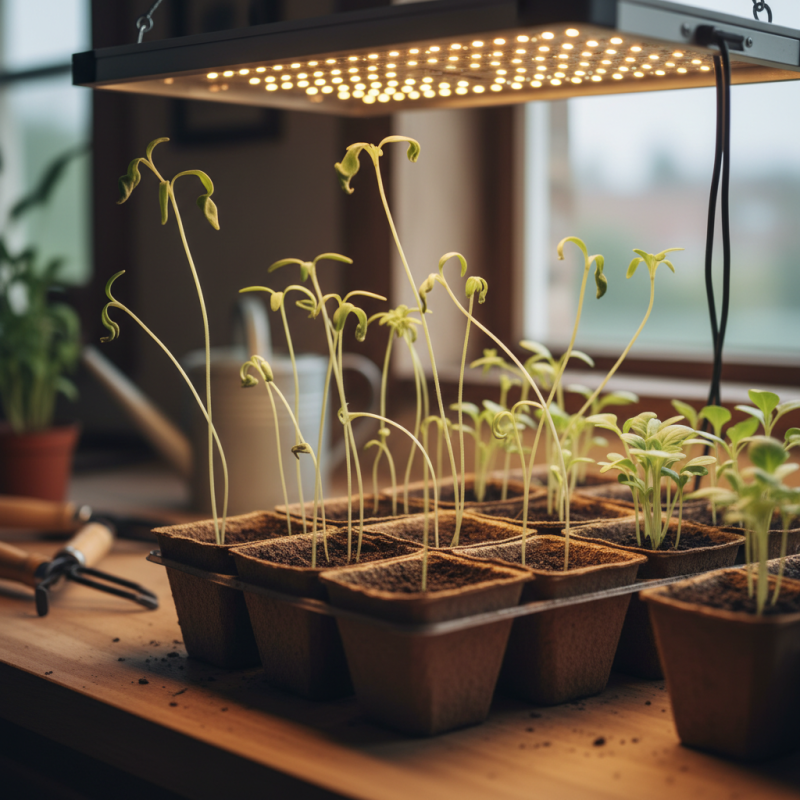
Why Are My Seedlings Leggy and Weak How to Fix It?

Causes of Leggy and Weak Seedlings

Leggy and weak seedlings can be a gardener's nightmare. These plants often stretch towards the light, resulting in long, spindly stems and small leaves. The primary cause of this issue is insufficient light. When seedlings do not receive enough sunlight, they grow taller in search of it. This can happen indoors, especially during winter months.

Another reason for weak seedlings is overwatering. Excess moisture can lead to poor root development. If the roots do not grow strong, the entire plant becomes weak and unstable. Additionally, using low-quality soil can contribute to stunted growth. Nutrient deficiencies play a role too. Without essential elements like nitrogen or phosphorus, seedlings struggle. Proper fertilization and drainage are vital.

Temperature fluctuations may also affect seedling health. Too much heat can cause stretching, while cold can hinder growth. Each of these factors can intertwine, creating a perfect storm for leggy seedlings. Reflecting on your gardening practices may help. Make adjustments slowly and observe how your seedlings respond. Small changes can lead to more robust plants and a healthier garden overall.

Why Are My Seedlings Leggy and Weak?

This chart illustrates the common causes of leggy and weak seedlings and their corresponding frequency of occurrence. Understanding these factors can help improve seedling growth.

The Role of Light in Seedling Growth

Light quality and quantity play a crucial role in seedling growth. Insufficient light can lead to leggy seedlings, characterized by elongated stems and weak leaves. According to a study from the American Society for Horticultural Science, seedlings exposed to low light levels can become up to 50% taller than those grown under optimal conditions. This stretching makes them fragile, often leading to a higher risk of breakage.

To encourage healthy growth, ensure your seedlings receive adequate light for at least 12 to 16 hours daily. Use grow lights if natural light is insufficient. Position lights 2-4 inches above seedlings to prevent stretching. A light spectrum rich in blue wavelengths aids in compact and sturdy growth, while red wavelengths can benefit flowering plants.

Tip: Keep an eye on your seedlings. If you notice them leaning towards the light source, rotate them regularly to promote even growth.

Inadequate light can lead to severe repercussions. Seedlings become weak and unbalanced. Monitor light intensity with a light meter; aim for around 200-300 µmol/m²/s for most seedlings. Adjust light exposure based on the species and growth stage. This awareness allows you to refine your approach effectively.

Watering Practices for Healthy Seedlings

Watering practices play a crucial role in the health of your seedlings. Overwatering can lead to weak, leggy plants. Seedlings require a delicate balance of moisture. Ensure your soil drains well to prevent waterlogging. This can be achieved by using lightweight soil mixes designed for seedlings.

Observe your seedlings closely. If they appear leggy with long, spindly stems, it’s often a sign they are not getting enough light. However, it can also indicate overwatering. Too much water can suffocate roots, leading to poor growth. When watering, give the seedlings enough moisture to soak the soil thoroughly, then wait until the top layer dries before watering again.

Adjusting your watering routine is vital. Check the moisture levels regularly. Use your finger to test the soil's dampness. A good rule of thumb is to water when the top inch feels dry to the touch. This method helps to promote healthier root systems. Remember, healthy seedlings result from observation and adjustments based on their unique needs. Regularly reflecting on your practices will lead to more robust and resilient plants.

Nutrient Needs for Strong Seedlings

Seedlings often appear leggy and weak due to insufficient nutrients. When they lack essential minerals, plants stretch towards light. This can lead to tall, spindly stems. These weak seedlings struggle to support their own weight. Proper nutrient balance is critical for robust growth.

Nitrogen, phosphorus, and potassium are key nutrients for seedlings. Nitrogen fuels leafy growth, while phosphorus supports root and flower development. Potassium enhances overall health and resilience. Using a balanced fertilizer can help meet these needs. Monitoring soil health is crucial. Regular soil tests provide insights into nutrient levels. Adjustments may be necessary for optimal growth.

Watering practices also affect nutrient absorption. Overwatering can leach nutrients from the soil. Conversely, too little water can stress plants, stunting their growth. Understanding each seedling's specific requirements is important. Adjusting light exposure may help as well. Strong seedlings thrive with proper care, attention, and the right nutrient mix.

Why Are My Seedlings Leggy and Weak How to Fix It? - Nutrient Needs for Strong Seedlings

Nutrient Role in Seedling Growth Symptoms of Deficiency Sources of Nutrient
Nitrogen Essential for leaf and stem growth Yellowing leaves, weak stems Compost, manure, plant fertilizers
Phosphorus Supports root development and flowering Dark green or purplish leaves Bone meal, rock phosphate
Potassium Aids overall plant health and disease resistance Weak stems, poor fruit quality Wood ash, kelp meal
Calcium Critical for cell wall structure Tip burn in leaves, blossom end rot Lime, gypsum
Magnesium Required for chlorophyll production Intervenal chlorosis in older leaves Epsom salt, magnesium sulfate

Techniques to Support and Strengthen Seedlings

Seedlings often become leggy and weak due to insufficient light. When they reach for the light, they stretch beyond their limits. This leads to tall, spindly plants that may not support themselves. To combat this, providing adequate lighting is essential. Aim for 12 to 16 hours of light daily. Consider using grow lights if natural light is limited.

Another critical technique is to ensure proper watering. Overwatering can lead to weak roots, while underwatering can stunt growth. Check the soil moisture level regularly. A good tip is to water when the top inch feels dry. This helps encourage stronger root development and a more robust seedling.

Lastly, gentle airflow can strengthen seedlings. Lightly fan them or place them outdoors for short periods. This helps them develop sturdier stems. However, avoid harsh conditions. Protecting young plants from strong winds or intense sunlight is crucial. Balancing these techniques will help you grow healthier seedlings.

FAQS

: What causes leggy seedlings?

: Insufficient light is the main cause. Seedlings stretch toward light, resulting in tall, spindly stems.

How does overwatering affect seedlings?

Overwatering leads to poor root development. Weak roots result in unstable and fragile plants.

Can soil quality impact seedling growth?

Yes, low-quality soil can foster stunted growth. Nutrient deficiencies can lead to weak seedlings.

How much light do seedlings need?

Seedlings require at least 12 to 16 hours of light daily. Insufficient light causes stretching and weakness.

What is the ideal position for grow lights?

Position grow lights 2-4 inches above seedlings. This prevents them from stretching too much for light.

How can I tell if my seedlings are getting enough light?

Monitor for stretching or leaning. Rotate seedlings to ensure even exposure to light.

What temperature should be maintained for seedlings?

Avoid temperature fluctuations. Too much heat stimulates stretching while cold can hinder growth.

How can I improve nutrient levels for seedlings?

Use proper fertilization methods. Ensure your soil contains essential elements like nitrogen and phosphorus.

Why should I observe my seedlings regularly?

Regular observation helps you notice problems early. Small adjustments can significantly improve plant health.

How can light intensity be measured for seedlings?

Use a light meter to monitor intensity. Aim for around 200-300 µmol/m²/s for optimal growth.

Conclusion

Seedlings may become leggy and weak due to several factors, primarily inadequate lighting, improper watering, and insufficient nutrients. A crucial aspect of seedling growth is light; without enough exposure, plants tend to stretch toward the light source, resulting in weak stems. Additionally, overwatering or underwatering can hinder their development, making them fragile. The nutrient requirements of seedlings should also be met; a lack of essential elements can prevent them from growing strong and robust.

To resolve the question "Why is my seedling leggy and weak," it is important to ensure proper light conditions, establish a consistent watering routine, and provide appropriate nutrients. Implementing techniques such as rotating seedlings for even light exposure or using support structures can further strengthen your plants, enabling them to thrive. By addressing these key components, you can foster healthier seedlings and promote robust growth.

Oliver

Oliver

Oliver is a seasoned marketing professional with a wealth of expertise in driving brand awareness and engagement. With a deep understanding of our company's product offerings, he consistently delivers high-quality content that enriches our professional blog. His insights not only shed light on......