How to Grow Easy Vegetables for Beginners at Home?

Time:2026-07-10 Author:Amelia
0%

Starting a home vegetable garden can be an exciting journey for beginners. Many people wonder, "What are the easiest vegetables for beginners to grow?" Choosing the right plants plays a crucial role in ensuring success. Easy-to-grow vegetables require less experience and attention, making them perfect for new gardeners.

Some great options include radishes, lettuce, and green beans. These plants sprout quickly and provide satisfying harvests. They thrive in various conditions, which reduces the pressure on novice gardeners. However, even simple tasks like watering and weeding can pose challenges. Overwatering can drown young plants, leading to frustration.

Gardening demands patience and attention to detail. Mistakes are part of the learning curve. Beginners must be willing to reflect on what works and what doesn’t. This process builds confidence and gardening skills over time. Embrace the journey, and remember, every gardener faces hurdles on the path to growth.
How to Grow Easy Vegetables for Beginners at Home?

Choosing the Right Easy Vegetables for Beginners

Choosing the right easy vegetables can make gardening enjoyable for beginners. Start with salad greens like lettuce and spinach. They grow quickly and thrive with minimal care. These greens are forgiving; even if you forget to water them, they can bounce back.

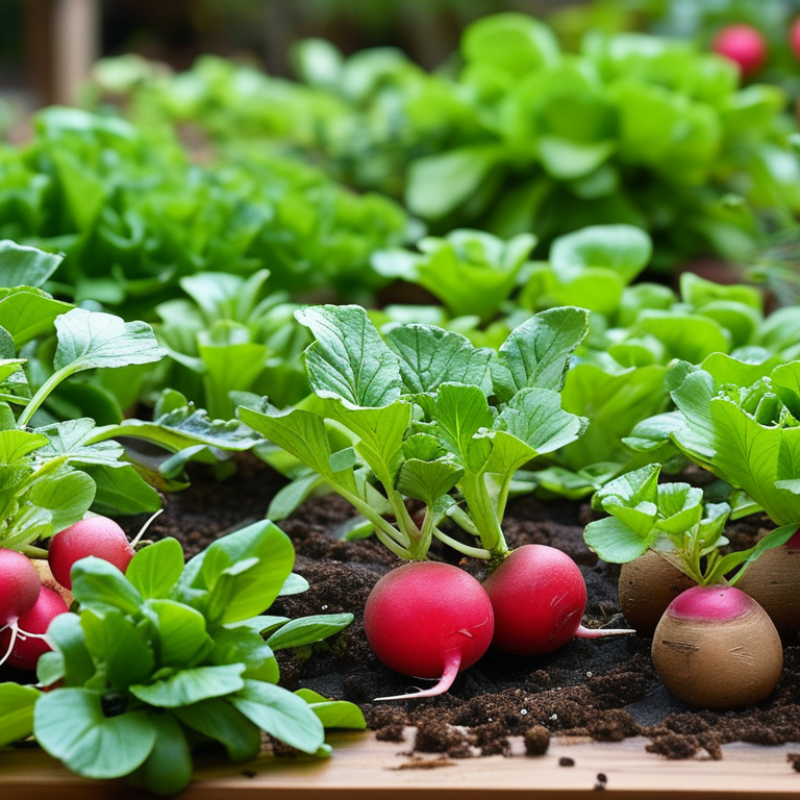
Consider root vegetables such as radishes and carrots. They require little space and are perfect for containers. Radishes, in particular, mature in about three weeks. This rapid growth can boost your confidence as a gardener. Just remember, carrots need consistent watering to develop properly.

Herbs like basil and cilantro are also a great choice. They can be grown indoors or outdoors and add flavor to meals. Harvesting herbs encourages more growth, which is rewarding. However, be cautious; overwatering can lead to root rot. Balancing care can be tricky, but it's part of the learning process. Enjoy experimenting with different plants to find what suits your gardening style.

Preparing Your Garden Space: Containers vs. Ground Planting

Creating a garden space is an exciting step for beginners. Two popular methods are container gardening and ground planting. Each has its advantages and challenges, allowing you to choose what fits your needs best.

Container gardening is convenient. It allows you to control soil quality and drainage easily. Plus, you can move your plants to capture sunlight. Just make sure the containers have drainage holes. Use good-quality potting soil for the best growth. However, containers can dry out quickly. You’ll need to water more often than with ground planting.

Ground planting gives vegetables a larger space to grow. You'll typically see better root development, which can lead to healthier plants. Choose a location with good sunlight and well-drained soil. You may need to prepare the soil by tilling and adding compost. This can be labor-intensive, and not all soils are suitable. If your soil is poor, consider raised beds instead.

Tips: Always start with easy vegetables like lettuce or radishes. These require less care and grow quickly. Remember to check your plants regularly for pests and diseases. Keeping weeds at bay is crucial in both methods for optimal growth.

How to Grow Easy Vegetables for Beginners at Home? - Preparing Your Garden Space: Containers vs. Ground Planting

Vegetable Ideal Growing Method Soil Type Sunlight Requirement Watering Frequency Days to Harvest
Tomato Containers Loamy soil Full sun (6-8 hours) 2-3 times a week 60-85 days
Lettuce Ground Planting Rich, well-drained soil Partial shade (4-6 hours) 1-2 times a week 30-60 days
Radishes Containers Sandy soil Full sun 1-2 times a week 25-30 days
Peppers Ground Planting Well-drained soil with organic matter Full sun 2-3 times a week 70-80 days
Carrots Containers Loose, sandy soil Full sun 1-2 times a week 70-80 days

Understanding Watering and Sunlight Needs for Your Vegetables

When growing vegetables at home, understanding their watering and sunlight needs is crucial. Different plants have unique preferences. Leafy greens, like spinach, need less sunlight. They thrive in partial shade. In contrast, tomatoes require full sun. They prefer at least six hours of direct sunlight daily.

Watering is another vital aspect. Overwatering can lead to root rot. On the other hand, underwatering can cause wilting. A good rule is to check the soil moisture. If the top inch is dry, it’s time to water. Vegetables like cucumbers need more water, especially during their growth phase.

Tips: Pay attention to your local climate. In hot areas, vegetables may need more frequent watering. Invest in a moisture meter for better accuracy. Remember to observe how your plants respond. If leaves are yellowing, it might indicate too much water. Learning from these experiences ensures a more fruitful garden.

Essential Soil and Nutrient Requirements for Healthy Growth

When growing vegetables at home, understanding soil and nutrient requirements is crucial. Healthy soil fosters robust plant growth. Sandy soil provides good drainage, while clay soil retains moisture. Most vegetables thrive in loamy soil, which is a blend of sand, silt, and clay. The ideal pH for vegetable growth ranges from 6.0 to 7.0. Testing your soil's pH can help you make necessary amendments for optimal growth.

Nutrient management is vital. Vegetables need primary nutrients: nitrogen, phosphorus, and potassium. Nitrogen supports leaf growth, phosphorus aids root development, and potassium enhances overall plant health. According to a report by the USDA, a balanced fertilizer, with an N-P-K ratio of 10-10-10, can be effective for most vegetables. Regular soil testing allows you to adjust nutrient levels.

Tip: Incorporate organic matter, like compost, to improve soil quality. Compost not only enhances soil structure but also boosts nutrient content.

Monitoring your plants regularly helps identify deficiencies. Yellowing leaves might indicate a nitrogen shortage. In such cases, adding organic fertilizers can help restore balance. Don't hesitate to consult local extension services for tailored advice based on your soil type and vegetable choice.

Common Challenges and Solutions in Growing Vegetables at Home

Growing vegetables at home can be challenging for beginners. Common issues include pests, poor soil quality, and inadequate sunlight. According to a report by the National Gardening Association, nearly 70% of new home gardeners face these challenges. Many beginners find that their seeds fail to sprout or, worse, seedlings are quickly eaten by insects.

One effective solution is to start small. Focus on easy vegetables like lettuce, radishes, or herbs. These crops are resilient and often require less attention. Utilizing raised beds or containers can also improve soil quality. Many experts recommend using a mix of potting soil and compost for better growth. Another useful tip is to monitor sunlight. Most vegetables need at least six hours of direct sunlight daily.

Reflecting on common mistakes is vital. Overwatering is a frequent error for novice growers. Conversely, others might ignore the need for drainage, leading to root rot. Observing the plants closely can provide feedback on their needs. Learning and adjusting is part of the process, making gardening a rewarding experience.

FAQS

: How much sunlight do leafy greens need?

: Leafy greens, like spinach, thrive in partial shade and require less sunlight.

What is the sunlight requirement for tomatoes?

Tomatoes need full sun. They require at least six hours of direct sunlight daily.

How can I tell if my plants need water?

Check the soil moisture. If the top inch is dry, it’s time to water.

What happens if I overwater my vegetables?

Overwatering can lead to root rot and negatively impact plant health.

What type of soil is best for growing vegetables?

Loamy soil, which blends sand, silt, and clay, is ideal for most vegetables.

Why is soil pH important for vegetable growth?

The ideal pH range for vegetable growth is 6.0 to 7.0. It affects nutrient availability.

How can I improve my soil?

Adding organic matter, like compost, can enhance soil quality and nutrient content.

What nutrients do vegetables need for healthy growth?

Vegetables require nitrogen, phosphorus, and potassium for optimal growth and health.

How can I identify nutrient deficiencies in my plants?

Yellowing leaves may indicate a nitrogen shortage or other nutrient imbalance.

Should I consult experts for gardening advice?

Yes, consulting local extension services can provide tailored advice for your garden needs.

Conclusion

Growing vegetables at home can be a rewarding experience, especially for beginners. To start, it's essential to choose what are the easiest vegetables for beginners to grow, such as lettuce, radishes, and herbs. These options require less care and are quick to harvest. Next, preparing your garden space is crucial; you can decide between using containers or planting directly in the ground based on your available space and preference.

Understanding the watering and sunlight needs of your chosen vegetables will also play a significant role in their success. Additionally, providing the right soil and nutrient requirements ensures healthy plant growth. Lastly, be prepared to face common challenges, such as pests or poor soil quality, and learn effective solutions to overcome them. With the right knowledge and care, anyone can cultivate a thriving vegetable garden at home.

Amelia

Amelia

Amelia is a seasoned marketing professional with a wealth of expertise in our company’s core offerings. With an unwavering passion for driving growth and innovation, she plays a pivotal role in shaping our marketing strategies and enhancing brand visibility. A key aspect of her responsibilities......