Garden decorations bring color and character to outdoor spaces, but constant sunlight can quietly damage them. Ultraviolet rays fade painted surfaces, weaken plastic, dry wooden details, and make fabrics brittle. Learning How to protect garden decorations from sun damage helps preserve their appearance and reduces unnecessary replacement.
Dr. Linda Chalker-Scott, an urban horticulturist and author, offers a useful reminder: “Durability does not mean immunity.” Her point matters here. Even weather-resistant materials need thoughtful care. This guide examines practical methods for protecting ornaments, planters, statues, furniture, and decorative signs. It considers shade placement, UV-resistant coatings, protective covers, material-specific cleaning, and seasonal storage. Small choices matter. A ceramic birdbath under harsh afternoon sun may lose its finish faster than one beneath a light canopy. A dark resin statue can become hot enough to fade unevenly. Wooden decorations may crack when sunlight combines with dry wind.
There is no perfect solution. Covers can trap moisture, sealants can discolor, and shade may change a garden’s visual balance. I have also found that frequent handling sometimes causes more scratches than sunlight. That possibility deserves attention. Regular inspection remains essential. Look for chalky paint, loose joints, faded fabric, surface cracks, and rusty fasteners. Acting early is usually easier than repairing deep damage. The following outline focuses on realistic protection methods, not exaggerated promises. It aims to help gardeners match each decoration with the right amount of shade, maintenance, and seasonal care.
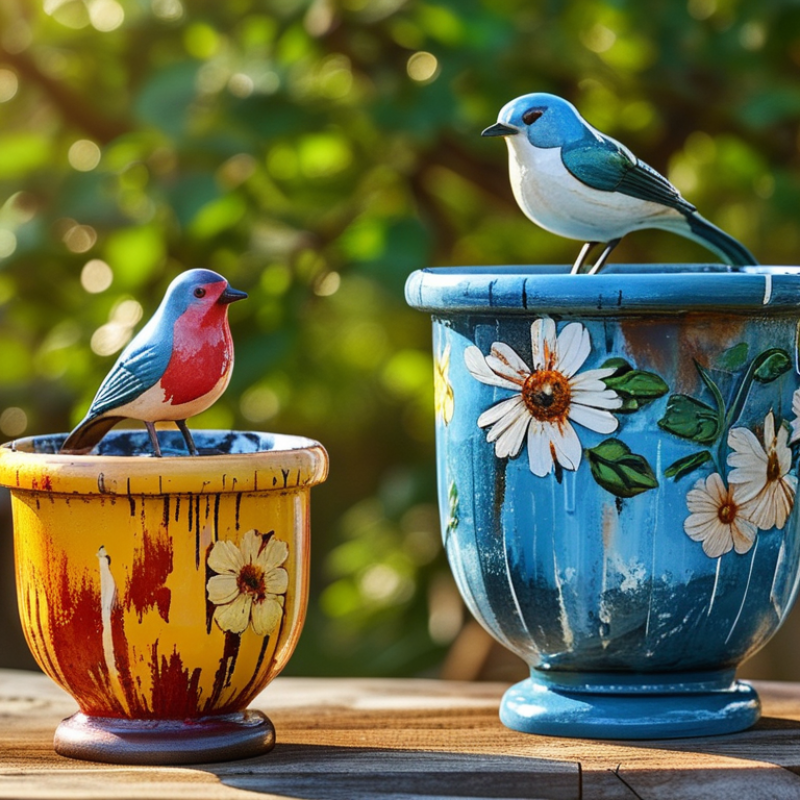
Sunlight does not damage every garden decoration in the same way. Check each piece’s color, material, finish, and location. Brightly painted resin figures often fade first, especially in strong afternoon light. Dark colors may turn chalky, while thin plastic can become brittle and crack. Watch the edges. Small cracks matter.
Unglazed wood absorbs heat and moisture, causing splitting, warping, or rough patches. Painted wood may peel where sunlight has dried the surface repeatedly. Metal decorations have different weaknesses. Heat can weaken painted coatings, while exposed iron may rust after small surface scratches. Glass ornaments can develop heat stress when one side stays hot and the other remains cool. Even stone is not invulnerable; porous stone may discolor or flake after repeated weather changes.
I once inspected a small birdbath and focused only on its faded design. I missed a hairline crack beneath the rim. That mistake taught me to check hidden surfaces, joints, and undersides. Fabric flags and cushions deserve close attention too. Ultraviolet light weakens fibers, making them tear during ordinary wind. Natural fibers usually show this damage sooner than tightly woven synthetic fabrics.
Record which decorations receive direct sunlight from noon to late afternoon. Rotate movable pieces, and move fragile items beneath filtered shade. A breathable protective cover can help, but trapped moisture may create another problem. Check the material before covering it. Painted surfaces also need time to cool before cleaning, because sudden temperature changes can worsen existing damage.
| Garden Decoration | Common Material | Sun-Sensitivity | Primary Vulnerabilities | Visible Signs of Sun Damage | Recommended Protection | Maintenance Guidance |
|---|---|---|---|---|---|---|
| Painted Wooden Signs | Softwood or hardwood with exterior paint | High | Ultraviolet exposure breaks down paint binders and dries the wood surface. Repeated heating and cooling can also cause cracking. | Faded colors, peeling paint, gray wood, raised grain, and small surface cracks | Use exterior-grade paint or stain with UV-resistant properties. Place the sign under partial shade and seal exposed end grain. | Inspect twice a year. Clean gently and renew the finish when fading, chalking, or peeling begins. |
| Plastic Statues and Ornaments | Polyethylene, polypropylene, PVC, or acrylic plastic | High | UV radiation can weaken polymer chains, making plastic brittle. Dark colors may absorb more heat and deform more easily. | Fading, chalky residue, brittleness, warping, and cracking around thin sections | Choose UV-stabilized outdoor plastic when possible. Apply a compatible plastic protectant and move lightweight pieces into afternoon shade. | Do not use harsh solvents. Check thin edges, joints, and hollow areas for brittleness before moving the decoration. |
| Outdoor Fabric Flags | Polyester, nylon, or cotton fabric | High | UV exposure weakens fibers and causes dyes to fade. Wind-driven movement accelerates wear along seams and attachment points. | Bleached colors, frayed edges, thinning fabric, and weakened stitching | Select solution-dyed synthetic fabric, install the flag where it receives some shade, and remove it during strong winds or storms. | Wash according to the fabric care requirements. Replace the flag when seams or corners become noticeably weak. |
| Wicker and Rattan Décor | Natural rattan, willow, bamboo, or synthetic resin wicker | High | Natural fibers dry out and lose flexibility, while some synthetic strands become faded or brittle under prolonged UV exposure. | Splitting, loose strands, faded finish, dry texture, and cracking at bends | Keep natural wicker in filtered shade and use an exterior protective finish suitable for the material. Cover it with breathable fabric when not in use. | Brush away dust regularly and keep the decoration dry after cleaning. Repair loose strands before they spread. |
| Metal Garden Art | Steel, iron, aluminum, or copper with paint or patina | Medium | Metal itself is generally UV-stable, but sunlight can degrade painted coatings and increase heat stress. Moisture then promotes corrosion on exposed steel or iron. | Faded coating, blistering paint, rust spots, powdery finish, or uneven patina | Use an exterior metal primer and UV-resistant topcoat. Keep drainage areas clear and avoid placing the piece where water collects. | Inspect joints, welds, and scratches each season. Remove surface rust and touch up damaged coating promptly. |
| Ceramic and Painted Pottery | Fired clay, ceramic glaze, or exterior-painted pottery | Medium | Glazes are usually stable, but painted details may fade. Strong temperature changes can increase the risk of cracking, especially in porous pottery. | Faded artwork, hairline cracks, flaking paint, and weakened decorative details | Use frost-resistant outdoor pottery, provide afternoon shade, and place the item on a stable surface that prevents standing water. | Clean with mild soap and water. Avoid sudden temperature changes, such as pouring cold water onto a sun-heated pot. |
| Glass Ornaments | Colored, painted, or clear outdoor glass | Medium | Glass is not normally damaged by UV in the same way as plastic, but painted surfaces, adhesives, and some colored finishes may fade or deteriorate. | Faded artwork, cloudy adhesive areas, loose attachments, or surface discoloration | Use outdoor-rated glass with durable finishes. Position it securely in partial shade and protect it from impacts and rapid temperature changes. | Check hanging hardware and mounting points regularly. Clean with a soft cloth to avoid scratching decorative coatings. |
| Solar Garden Lights | Plastic housing, glass lens, rechargeable battery, and photovoltaic panel | Medium | UV can discolor or embrittle plastic housings and lenses. Heat may shorten battery life, while dirt reduces panel performance. | Yellowed lens, faded housing, cracked plastic, reduced brightness, and shorter operating time | Choose UV-resistant housings, clean the panel and lens regularly, and place the light where the panel gets sun but the battery compartment avoids excessive heat when possible. | Replace rechargeable batteries according to their condition, not just appearance. Seal or replace cracked housings to prevent water entry. |
| Outdoor Cushions and Decorative Pillows | Acrylic, polyester, olefin, or cotton-blend fabric | High | Sunlight fades dyes and weakens fibers. Moisture trapped inside cushions can worsen deterioration and encourage mildew. | Uneven fading, brittle fabric, weakened seams, and flattened or damp filling | Use solution-dyed outdoor fabric, provide a storage box or canopy, and use breathable covers rather than airtight plastic when items are damp. | Store cushions indoors or in a dry ventilated container when not in use. Clean spills promptly and follow the fabric care label. |
| Decorative Resin Planters | Fiberglass, resin composite, or molded synthetic resin | Medium | UV exposure can fade the surface and make some resin products brittle. Heat may increase expansion and stress around drainage holes. | Color fading, chalking, hairline cracks, and distortion near thin edges | Use planters labeled for outdoor UV exposure, apply a compatible protective coating, and avoid placing them on surfaces that intensify heat. | Ensure drainage holes remain open. Move or empty lightweight planters carefully because aged resin may crack under impact. |
| Natural Stone Ornaments | Granite, slate, limestone, sandstone, or concrete | Low | Stone is generally UV-resistant, but painted lettering, sealers, and porous surfaces may weather. Heat and moisture can contribute to surface cracking over time. | Faded lettering, flaking sealer, discoloration, erosion, or small cracks | Use breathable sealers appropriate for the specific stone and keep the ornament on a stable, well-drained base. | Clean with a soft brush and water. Avoid acidic cleaners on limestone, marble, or other acid-sensitive stone. |
Powder-coated aluminum resists rust and usually holds color. Glazed ceramic performs better than unsealed clay. Dense stone ages steadily, though pale surfaces show dust.
Choose naturally durable timber or treated outdoor wood. Keep it above wet soil. Apply thin, even coats of UV-resistant exterior finish. Test the finish underneath first.
Some clear coatings darken pale wood. A small color change can spoil the intended appearance. I once overlooked this detail. That was careless.
Recoat when the surface looks dry, chalky, or patchy. Do not wait for cracks. Follow the finish’s curing instructions carefully.
Use a soft brush and mild soap. Remove fine grit from joints and textured areas. Let every piece dry completely. Rushing can cause peeling.
Store painted wood, fabric, resin, and thin plastics during very high UV conditions. A UV Index of 8 or higher deserves extra caution. Move pieces before midday.
Use two storage boxes. Keep one group displayed and another recovering in shade. Rotate pieces during milder sunlight. Small habits help.
Use a cool, dry cupboard or ventilated storage box. Wrap items in acid-free tissue. Separate each piece to prevent scratches. Never seal damp decorations in plastic.
Choose open shade beneath a covered patio. Keep decorations away from reflected light and hot paving. Allow airflow after rain. Shade still helps.
Check them every few months. Look for fading, chalking, hairline cracks, peeling paint, loose coatings, and brittle edges. Keep dated photographs for comparison.
Protecting garden decorations from sunlight begins with identifying which materials are most vulnerable. Painted wood, fabric, plastic, resin, and untreated metal may fade, crack, warp, or become brittle after prolonged exposure to ultraviolet rays and heat. How to protect garden decorations from sun damage depends on choosing durable materials and applying suitable protective finishes, such as outdoor sealants, UV-resistant paint, or protective coatings. These measures create an additional barrier against fading and surface deterioration.
Placement also plays an important role. Position delicate decorations under trees, covered patios, or other areas that receive partial shade while still allowing proper airflow. Regularly clean surfaces, inspect them for early signs of damage, and refresh protective finishes when necessary. During the brightest and hottest months, consider storing fragile pieces indoors or rotating them with sturdier decorations. With thoughtful material selection, strategic placement, routine maintenance, and seasonal storage, garden decorations can retain their color, structure, and visual appeal for much longer.

 Snax Garden