Starting a compost pile can be a rewarding endeavor for beginners. How to start a compost pile for beginners is a common question. The benefits of composting are significant. According to the Environmental Protection Agency (EPA), composting can divert about 30% of household waste from landfills. Additionally, healthy compost enriches soil and supports plant growth.
Setting up a compost pile is not just beneficial; it is straightforward. You will need green materials like fruit scraps and brown materials like leaves. Experts recommend a 2:1 ratio of brown to green materials. However, many beginners struggle with ratio balance, leading to less efficient compost. Mistakes are part of the learning process. Not all compost turns into a perfect product.
The importance of patience cannot be understated. Composting takes time, often several months. Conditions such as moisture, aeration, and temperature impact the process. If successful, you will create a nutrient-rich amendment for your garden. Remember, mastering how to start a compost pile for beginners may require several attempts. Overall, embrace the journey while learning from each step.
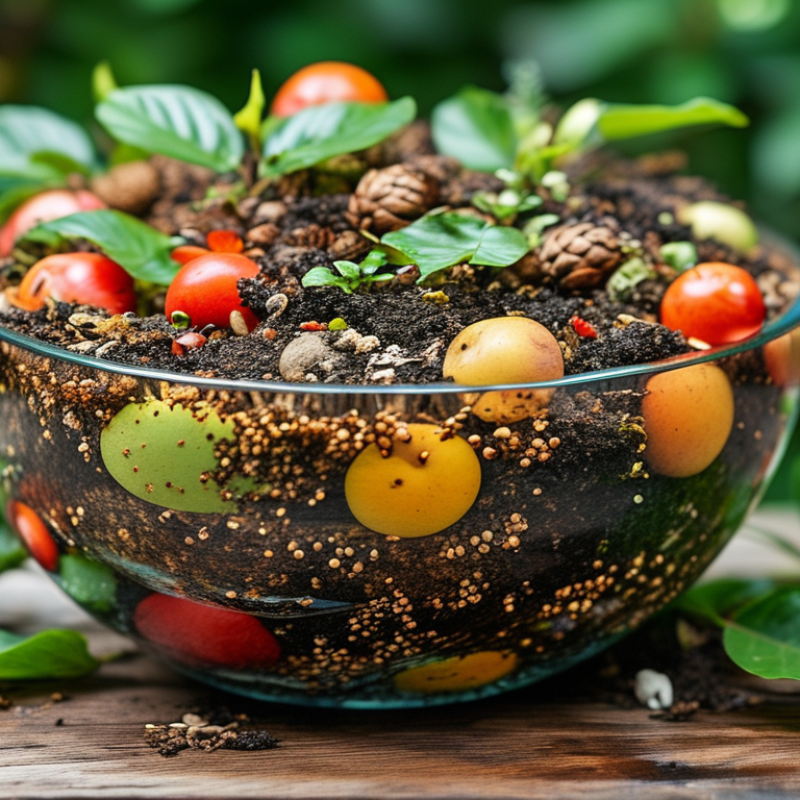
Composting is a natural process where organic matter breaks down. It turns kitchen scraps and yard waste into nutrient-rich soil. Understanding the basics is essential for beginners.
You need a mix of green and brown materials. Greens are nitrogen-rich, like fruit peels and grass clippings. Browns are carbon-rich, such as dried leaves and cardboard. Maintaining a ratio of 3:1 is effective. This balance ensures that the pile decomposes properly.
Tip: Start small. A compost bin can be simple. Use a corner of your yard or a container. Keep it moist but not too wet. Turn the pile every few weeks to aerate it.
You might notice unpleasant smells if you add too many greens or not enough browns. If that happens, adjust the materials. Adding shredded paper can help. Consider your location; worms thrive in warm climates. This can enhance composting speed.
Choosing the right location for your compost pile is crucial. A suitable spot can make composting easier and more effective. Look for a location that is convenient yet out of direct sight. This helps maintain the aesthetic of your garden. A shaded area is ideal, as it keeps the pile cool in summer and prevents it from drying out too quickly.
Consider the proximity to your kitchen. It's helpful to have your compost bin close for easy access to kitchen scraps. You don’t want to trek across the yard with vegetable peels. A flat area with good drainage is essential. Avoid places where water tends to pool. Standing water can lead to odor and slow decomposition.
Tips for beginners: Ensure good air circulation. Choose a spot with some breeze. This boosts the composting process by speeding up the breakdown of materials. Monitor the moisture levels as well. Too wet leads to sogginess, while too dry slows down decomposition. Be mindful of the smell, as compost can attract pests. Identify an area that balances these needs, even if it takes a few tries to find the sweet spot.
Gathering the right materials is crucial for a successful compost pile. Organic waste works best, so look for kitchen scraps. Fruit and vegetable peels are excellent choices. They break down quickly and provide nutrients. Remember to exclude meat, dairy, and oils. These items attract pests and create odors.
Brown materials are just as important. Dry leaves, straw, and cardboard add carbon to your compost. This balance between brown and green materials is vital. Aim for a mix of approximately 3:1. The texture matters, too. Shredding larger pieces enhances decomposition.
Not all organic waste will decompose evenly. Some materials take longer. For instance, hardwood chips may require additional moisture. Monitor your pile's temperature and moisture levels regularly. Adjust as needed. Regular turning can speed up this process, but don’t stress about doing it perfectly. Composting is a learning curve. Embrace the journey!
| Material Type | Nitrogen Content | Carbon Content | Recommended Usage |
|---|---|---|---|
| Fruit and Vegetable Scraps | High | Low | Add regularly, chop into smaller pieces for faster decomposition. |
| Dry Leaves | Low | High | Layer with green materials to balance nitrogen. |
| Coffee Grounds | High | Low | Mix in moderation to avoid acidity. |
| Eggshells | Low | Low | Rinse and crush before adding to improve calcium levels. |
| Grass Clippings | High | Low | Use in thin layers to prevent matting; mix with browns. |
| Wood Chips | Low | High | Use for slow decomposition; great for carbon source. |
Maintaining your compost pile is crucial for successful decomposition. Proper aeration helps speed up the process. Turning your pile every few weeks introduces oxygen, which is vital for aerobic bacteria. Studies show that compost piles with good airflow can decompose organic matter up to 50% faster than those that are too compacted.
Moisture levels also play a significant role. Compost should feel like a damp sponge, not too wet or dry. A 2018 report from the U.S. Environmental Protection Agency indicated that moisture levels between 40% to 60% are ideal for microbial activity. Monitor this regularly, especially during dry spells or heavy rain. If it becomes too dry, add water. Conversely, if it’s too wet, turn the pile and add dry brown materials like leaves.
Be patient and observant. Composting is not an overnight process. It may take several months before your compost is ready. Sometimes, you might notice unpleasant odors, which can indicate an imbalance. This usually happens with too much green material. Adjust the ratio by adding more browns. Reflect on how different materials affect your compost’s health. It’s a learning journey, and each pile can teach you something new.
One common issue in composting is odor. A properly balanced compost pile should smell earthy, not foul. If you notice a strong odor, it may be too wet. Adjust by adding dry materials like brown leaves or shredded paper. Maintaining a well-aerated pile can also help. According to the U.S. Environmental Protection Agency, an ideal compost pile should reach a temperature of 130°F to 160°F to kill pathogens and accelerate decomposition.
Pests can also be a problem. Fruit flies or rodents may invade your compost if it’s improperly managed. Food scraps like meat or dairy can attract them. Keep your pile predominantly plant-based and covered. Regularly aerate the compost and add a mix of materials to deter unwanted visitors. Research shows that a balanced mix of nitrogen-rich greens and carbon-rich browns can reduce pest attraction.
If your compost is not breaking down, it may need more nitrogen-rich materials. Consider adding grass clippings or kitchen scraps. The National Recycling Coalition states that microbial activity is key to composting. If decomposition stalls, check moisture and aeration. A well-maintained compost will yield rich, dark humus over time, but it requires attention and adjustments as issues arise.
: Composting breaks down organic matter into nutrient-rich soil from kitchen scraps and yard waste.
Use a mix of greens and browns. Maintain a 3:1 ratio for effective decomposition.
An unpleasant odor means it’s too wet or has too many greens. Add brown materials to fix it.
Avoid adding meat or dairy. Use plant-based scraps and cover the pile to deter pests.
Add more nitrogen-rich materials like grass clippings. Check for adequate moisture and aeration.
Yes, a simple compost bin can be effective. Use a corner of your yard or a container.
Turn the pile every few weeks to aerate it. This improves decomposition and reduces odors.
Aim for 130°F to 160°F to kill pathogens and speed up decomposition effectively.
No, avoid meat, dairy, and oily foods. Stick to plant-based scraps to maintain balance and avoid pests.
Start small. Use a container or a small bin. You can compact materials to fit your space.
Starting a compost pile can be an enriching experience for beginners interested in sustainability and gardening. The process begins with understanding the basics of composting, which involves the decomposition of organic materials into nutrient-rich soil. Knowing how to start a compost pile for beginners involves selecting the right location to ensure good airflow and moisture retention.
The next step is gathering suitable materials, often classified as 'greens' (like vegetable scraps) and 'browns' (such as dry leaves), to create a balanced mix. Maintaining your compost pile is crucial; regular turning and monitoring moisture levels will promote healthy decomposition. Finally, beginners may encounter common issues like odor or pests, which can often be easily resolved with the right troubleshooting techniques. Embracing these tips and tricks will lead to successful composting and contribute to a more sustainable garden.

Snax Garden