Moving seedlings from a protected room into open air is a major change. Indoor plants enjoy steady warmth, gentle light, and limited wind. Outdoors, they face stronger sunlight, cooler nights, dry air, rain, and sudden temperature shifts. Without preparation, tender stems may wilt within hours, while leaves can develop pale or scorched patches.
This guide explains How to transition seedlings from indoor to outdoor conditions with practical, garden-tested steps. The seven tips focus on gradual exposure, weather awareness, watering, shelter, and close observation. Experienced growers and university extension recommendations support this slow approach because seedlings need time to strengthen their stems and adjust their leaves. Start with a shaded, protected location for a few hours. Then increase outdoor time over several days. Small changes matter.
Watch the forecast.
Avoid placing young plants outside before the danger of frost has passed for their crop. Tomatoes, peppers, and basil usually need warmer nights than lettuce or kale. Keep containers away from strong wind and hot pavement, which can heat roots quickly. Check the soil with a fingertip before watering, rather than following a rigid schedule. I have sometimes trusted a calendar too much; the seedlings showed me that weather changes faster than plans. That mistake is useful when noticed early. Healthy transition leaves should remain firm, green, and upright. If they droop repeatedly, slow the process and offer filtered light. Careful observation often works better than forcing a perfect timetable.
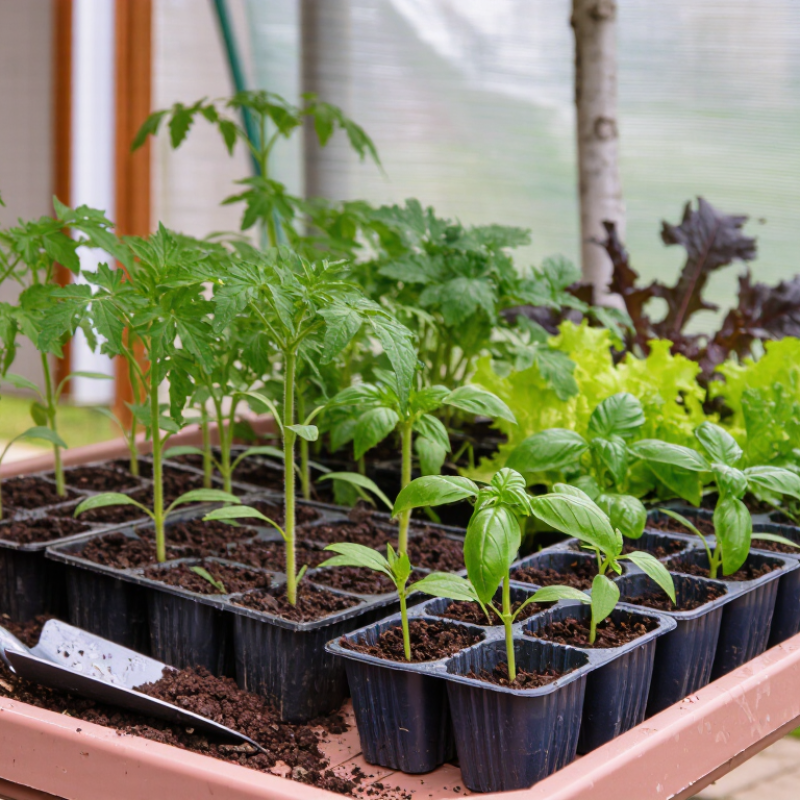
Before moving seedlings outdoors, assess their strength rather than trusting their age. Most are ready when they have several true leaves, firm stems, and healthy white roots. Avoid plants with pale growth, damaged leaves, or roots circling tightly inside the container. They may need more time indoors.
Check nighttime temperatures carefully. Frost-sensitive seedlings should wait until frost danger has passed and temperatures stay suitable for their species. A warm afternoon can mislead you. Watch the forecast. I once moved young peppers outside after one sunny week, then a cold night stalled their growth for days. That mistake taught me to judge several nights, not one.
Harden seedlings gradually over seven to ten days. Place them outdoors in bright shade for one or two hours, protected from strong wind. Increase exposure daily, while checking leaves for wilting or scorching. Keep the potting mix lightly moist, but never waterlogged. Inspect stems and leaf undersides for insects before each move. A seedling that looks sturdy indoors may still have weak roots or tender foliage. On the final days, introduce gentle morning sun and longer outdoor periods. If leaves droop repeatedly, reduce exposure and extend the transition. Growth may be slower, but survival matters more than speed.
Moving seedlings outdoors is a gradual training process, not a one-day task. Young plants raised indoors have tender leaves and limited wind strength. Start when daytime temperatures suit the crop and nighttime temperatures remain safely above its tolerance. Check the forecast for several calm days.
On the first day, place seedlings outside for one hour in bright shade. Protect them from strong wind and heavy rain. Add one hour daily, extending the exposure to gentle morning sunlight. After several days, introduce filtered afternoon light. Keep the soil lightly moist, but never waterlogged. Small pots dry quickly outdoors. A sheltered table helps control sudden weather changes.
Watch the leaves closely. Pale patches, curling edges, or drooping can signal sun or heat stress. Move affected plants back into shade and reduce exposure temporarily. I once increased sunlight too quickly, and several healthy seedlings developed scorched leaves. That mistake taught me to measure progress by plant response, not by a fixed schedule. When seedlings tolerate several hours outside without damage, leave them outdoors overnight only after checking the forecast. Delay planting after cold fronts, strong winds, or unusually hot days. Hardened plants should show firm stems and steady new growth. Expect variation; cloudy weather can slow the process, while dry wind can speed water loss.
Moving seedlings outdoors is not a single-day task. Young leaves often struggle with direct sun, drying wind, and sharp temperature changes. The Royal Horticultural Society recommends hardening plants gradually over 7–10 days. University extension guidance commonly suggests a similar 7–14-day period.
Tip 1: Place trays outside in bright shade for one hour.
Tip 2: Add one hour daily.
Tip 3: Bring them indoors before cold nights.
USDA’s 2023 Plant Hardiness Zone Map divides the United States into 13 zones, but local frost pockets still matter. A zone is only a guide.
Wind deserves equal attention.
Tip 4: Set seedlings beside a wall or screen, not in an exposed yard. Use a loose cover during strong gusts.
Tip 5: Check moisture twice daily. Small cells can dry quickly. Water the soil, not the leaves, and avoid standing water.
Tip 6: Increase sunlight slowly, especially for tomatoes, peppers, and tender herbs. Morning sun is gentler than afternoon glare.
University horticulture trials repeatedly show that gradual acclimation reduces transplant shock, though results vary with species, container size, and weather.
Tip 7: Delay planting after a cold front. Many warm-season seedlings grow poorly below 10°C, even without frost.
Touch the leaves. Watch the forecast. I still lose a few plants when spring changes suddenly. That mistake is useful, but expensive. Protect seedlings until stems feel firm and new growth appears.
Tip: Harden seedlings for 7–14 days, as recommended by University of Minnesota Extension. Begin with one sheltered outdoor hour. Add time gradually. Avoid strong midday sun at first. Wind is often the bigger shock. I once skipped this step, and several leaves scorched within hours. That mistake still guides my routine.
After transplanting, water deeply around the root zone, not across the leaves. Check the top 2–3 centimeters of soil each morning. Water when it feels slightly dry, then let excess drain. Do not keep the soil constantly wet. The FAO AQUASTAT database reports that agriculture uses about 70% of global freshwater withdrawals, so precise watering matters.
Tip:
Use a narrow stream and stop when the soil darkens evenly. A small puddle signals poor drainage, not good care.
Wait about one week before regular feeding, unless plants show clear deficiency. Tender roots need recovery time. Then use a diluted, balanced fertilizer according to soil-test results. Overfeeding can produce weak, soft growth. Space plants according to their mature width, not their current size. The USDA Natural Resources Conservation Service stresses that spacing supports airflow and reduces competition for water and nutrients.
Tip:
Leave extra room in humid weather. I sometimes plant too closely for a fuller look, but crowded seedlings demand more pruning and water.
Moving seedlings outdoors requires patience, not just warmer weather.
Tip: Check leaf color, stem strength, and soil moisture each morning. Healthy seedlings usually have firm stems and evenly colored leaves. Pale leaves, drooping stems, or curled edges signal stress.
Tip: Begin with one hour of bright, sheltered outdoor light. Add an hour daily for seven to ten days. Avoid strong midday sun at first.
Tip: Protect young plants from cold wind and heavy rain. A shaded porch or open cold frame works well during the early days.
Tip: Touch the top inch of soil before watering. Outdoor air can dry containers quickly, but wet soil can damage fragile roots.
I once watered on a cloudy day and caused unnecessary stress. That mistake reminded me to inspect the soil, not follow a fixed schedule.
Tip: Watch plants for several hours after each increase in light. Slight afternoon drooping may be temporary, but crisp edges or bleached patches require quick shade.
Tip: Inspect leaves and stems for insects before placing seedlings near established plants.
Tip: Keep checking night temperatures, especially after a warm afternoon. Move containers indoors if cold conditions threaten tender growth.
Complete the transition only when plants remain upright, growing steadily, and tolerate outdoor light without damage.
Wind exposure still deserves attention. Even strong seedlings may need support.
Look for several true leaves, firm stems, and healthy white roots. Pale growth or tightly circling roots means the plant needs more indoor time.
No. Strength matters more than age. A young plant with sturdy growth may be ready, while an older weak plant may struggle.
Check several nights, not one warm afternoon. Frost-sensitive seedlings need frost danger to pass and suitable temperatures overnight. Many warm-season plants grow poorly below 10°C.
Allow about seven to ten days, sometimes longer. Begin with one hour outdoors in bright shade. Add roughly one hour daily.
Choose a sheltered table beside a wall or screen. Avoid strong wind, heavy rain, and exposed yards. A quiet corner helps.
Start with bright shade and gentle morning sun. Introduce filtered afternoon light later. Direct afternoon glare can scorch tender leaves.
Watch for drooping, curling edges, or pale and scorched patches. Move stressed seedlings back into shade. Reduce exposure temporarily, even if progress feels slow.
Check small pots twice daily because they dry quickly. Keep the potting mix lightly moist, never waterlogged. Water the soil, not the leaves.
Wait until they tolerate several outdoor hours without damage. Check the forecast before leaving them outside overnight. Delay after cold fronts, strong winds, or unusual heat.
Reduce exposure and extend the transition. I once increased sunlight too quickly and lost healthy leaves. That mistake still matters.
How to transition seedlings from indoor to outdoor begins with checking whether they are strong enough to handle changing conditions. Healthy seedlings should have several true leaves, sturdy stems, and well-developed roots. Instead of moving them outside all at once, introduce them gradually over several days. Start with a short period in a sheltered, shaded location, then slowly increase outdoor time and exposure to brighter light.
During the transition, protect young plants from harsh sunlight, strong wind, heavy rain, and sudden temperature drops. Water consistently, but allow the growing medium to drain well, and avoid overfeeding while seedlings are adjusting. Once transplanted, provide enough space for airflow and future growth. Continue observing leaf color, stem strength, moisture levels, and signs of stress. If plants wilt, scorch, or stop growing, reduce exposure and give them time to recover. With gradual acclimation and attentive care, seedlings can adapt successfully and complete their move from indoor conditions to a healthy outdoor growing environment.

Snax Garden