Organic mulch plays a vital role in gardening. It improves soil health, conserves moisture, and suppresses weeds. Many gardeners ask, "Why should I use organic mulch in my garden?" According to Dr. Emily Morrison, a horticulture expert, "Organic mulch transforms the garden environment, benefiting plants and soil alike."
Using organic mulch adds nutrients to the soil as it breaks down. This not only supports plant growth but also enhances microbial activity. It creates an ecosystem where diverse organisms thrive. For example, shredded leaves, grass clippings, and wood chips all release valuable nutrients. Additionally, mulch helps retain soil moisture, reducing the need for frequent watering.
However, not all types of organic mulch work well in every situation. Some may decompose too quickly, while others can attract pests. It's crucial to choose the right material for your specific garden needs. Never overlook the importance of researching and selecting mulch that aligns with your gardening goals. This thoughtful approach can lead to a healthier, more vibrant garden.
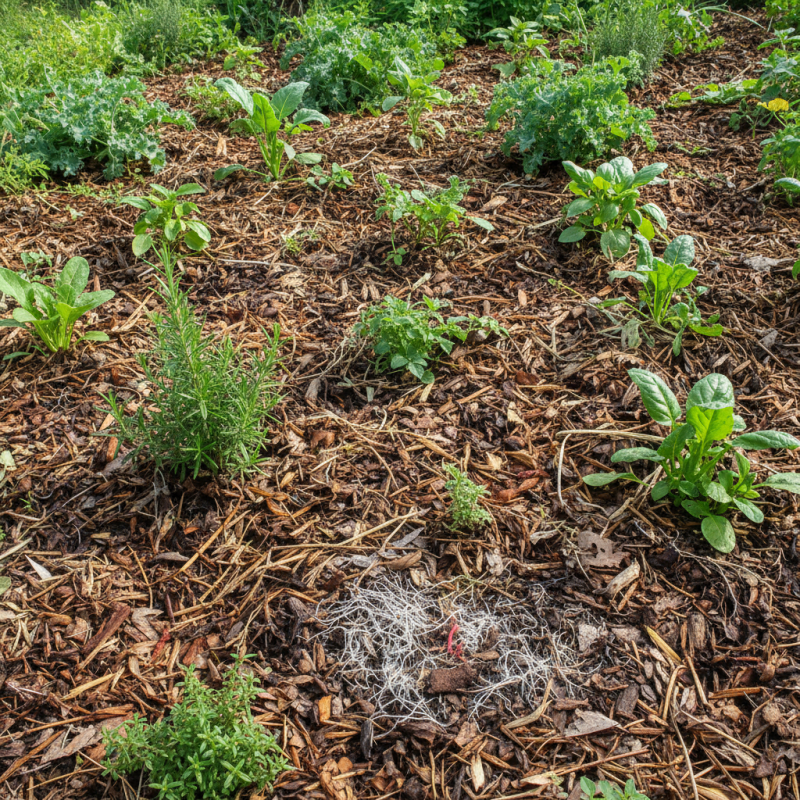
Understanding Organic Mulch and Its Composition
Organic mulch is a vital component in sustainable gardening. Its composition generally includes materials such as wood chips, leaves, straw, and grass clippings. Each of these materials offers unique benefits. For example, wood chips break down slowly, enriching the soil over time. Leaves provide a quick nutrient boost when shredded.
Research indicates that organic mulch can reduce soil temperature fluctuations by up to 10 degrees Fahrenheit. This stabilization helps protect plant roots. Additionally, it retains moisture, reducing the need for frequent watering. A study published in the Journal of Soil and Water Conservation highlights that gardens with organic mulch use 30% less water than unmulched gardens.
While organic mulch significantly benefits garden health, it does come with considerations. Some materials can introduce pests or diseases if not managed properly. For instance, using diseased plant material can harm your garden. Therefore, selecting the right mulch is crucial. Understanding the composition and potential challenges of organic mulch will maximize its advantages while minimizing drawbacks.
Enhancing Soil Health Through Organic Mulch Usage
Organic mulch serves as a natural ally for enhancing soil health. It not only conserves moisture but also improves soil structure. Decomposing organic matter adds vital nutrients. Healthy soil fosters vigorous plant growth and resistance to pests.
When applying organic mulch, consider its source. Choose shredded leaves, straw, or grass clippings. These materials break down and enrich the soil. A three-inch layer creates an effective barrier against weeds. However, too thick a layer can lead to poor air circulation in the soil.
Tips: Regularly check moisture levels under the mulch. Adjust the thickness based on the climate. Watch for pests that may thrive in overly moist conditions. These small adjustments ensure your mulch remains beneficial, not detrimental. Organic mulch is a dynamic element of a thriving garden, yet it requires consistent attention.
Top 10 Benefits of Using Organic Mulch in Your Garden
This bar chart illustrates the top 10 benefits of using organic mulch in gardening. Each benefit is rated on a scale from 1 to 10 based on its significance and impact on enhancing soil health and garden productivity.
Weed Suppression: How Organic Mulch Works
Organic mulch serves as an effective barrier against weeds in your garden. When layers of organic matter, like wood chips or straw, are spread around plants, they block sunlight. Weeds thrive on light, so this method disrupts their growth cycle. Research shows that gardens with mulch have fewer weed issues. This simple technique can make gardening more enjoyable and less labor-intensive.
Layering organic mulch also adds nutrients to the soil as it breaks down. Over time, the wrong kind of mulch can lead to unintended consequences. Some plants may struggle for nutrients if the mulch isn’t properly managed. Observing your garden’s response to different types of mulch is crucial. This experimentation invites a thoughtful approach to gardening, encouraging reflection on what works best for your specific conditions.
Maintaining the right moisture levels is another advantage of organic mulch. It helps retain water, reducing the need for frequent watering. However, too much mulch can suffocate plant roots. Balancing the depth of mulch requires careful consideration. Gardeners often need to adjust their methods, learning from each season’s results. By monitoring plant health and adjusting mulch accordingly, a harmonious garden ecosystem can be cultivated.
Top 10 Benefits of Using Organic Mulch in Your Garden
| Benefit |
Description |
| Weed Suppression |
Organic mulch creates a barrier that blocks sunlight, preventing weed growth and competition for resources. |
| Moisture Retention |
Helps retain soil moisture by reducing evaporation, ensuring plants have sufficient water. |
| Soil Improvement |
As it decomposes, organic mulch enriches the soil with nutrients and enhances soil structure. |
| Temperature Regulation |
Helps maintain even soil temperatures, protecting roots from extreme heat or cold. |
| Aesthetic Appeal |
Provides a clean and polished look to garden beds, enhancing overall landscape appearance. |
| Pest Control |
Certain organic mulches can deter pests and inhibit the growth of harmful fungi. |
| Habitat for Beneficial Organisms |
Attracts beneficial insects and organisms that help with pollination and pest control. |
| Reduction of Soil Erosion |
Helps prevent soil erosion by stabilizing the soil and reducing runoff from rain. |
| Eco-Friendly |
Made from natural materials, reducing plastic usage and promoting sustainable gardening practices. |
Moisture Retention and Temperature Regulation in Gardens
Using organic mulch in gardens can significantly enhance moisture retention and temperature regulation. According to research from the University of California, organic mulch can reduce soil evaporation by up to 30%. This is crucial during hot summer months when plants struggle to access enough water. By keeping the soil moist, gardens thrive, leading to healthier and more resilient plants.
Moreover, organic mulch acts as an insulator. It helps maintain stable soil temperatures, protecting plant roots from extreme heat and cold. The USDA found that mulch can lower soil temperatures by up to 10 degrees Fahrenheit during peak heat. This temperature regulation is vital for seed germination and root development. However, applying too thick a layer can lead to excessive moisture retention, potentially encouraging root rot. Gardeners should monitor their mulch thickness to ensure optimal conditions without risking plant health.
It's undeniable that organic mulch offers multiple benefits. Still, every garden is unique, and factors like local climate and soil type must be considered. Regular observation helps refine mulch application techniques. Successful gardening relies on adapting strategies based on specific conditions and learning from results.
Aesthetic Appeal: The Visual Benefits of Organic Mulch
Organic mulch offers numerous aesthetic benefits that transform your garden into a visually pleasing space. The rich textures and varied colors of organic mulches, like wood chips and shredded leaves, create layers that draw the eye. This dynamic appearance adds depth to flower beds, enhancing both structured and informal gardens. An inviting garden appeals not just to you, but also to guests and the local wildlife.
Tips for selecting mulch:
Choose materials that complement your plants. Dark-colored mulch can highlight vibrant flowers, while lighter varieties may brighten darker corners. Avoid using too much mulch in one area. Over-mulching can suffocate your plants or breed pests. It’s better to apply a uniform layer, keeping it at a depth of about two to three inches.
If you're unsure about how mulch fits in your design, experiment. Lay out different mulch types in small sections and observe how they interact with your plants over time. You may realize that certain blends create unexpected yet appealing contrasts. Gardening is a journey of discovery; learning to appreciate its nuances can greatly enhance your connection to your space.
FAQS
: Organic mulch typically consists of materials like wood chips, leaves, straw, and grass clippings.
It can reduce soil temperature fluctuations by up to 10 degrees Fahrenheit, protecting plant roots.
Yes, gardens with organic mulch use 30% less water compared to those without mulch.
Ensure the mulch is disease-free to avoid introducing pests or diseases to your garden.
A three-inch layer is effective, but avoid making it too thick to maintain air circulation.
Regularly check the moisture under the mulch to ensure it’s not too dry or overly wet.
An overly thick layer can lead to poor air circulation, affecting soil health.
Proper management prevents issues like pests and ensures that mulch remains beneficial for plants.
Not all materials are suitable; choose high-quality organic sources to avoid problems.
Regular attention is necessary, as conditions can change rapidly and affect the mulch's effectiveness.
Conclusion
Organic mulch offers a multitude of benefits for garden enthusiasts looking to enhance their gardening experience. Understanding organic mulch and its composition is crucial, as it not only enriches the soil with essential nutrients but also promotes healthier plant growth. One of the key reasons why should I use organic mulch in my garden is its ability to effectively suppress weeds, minimizing competition for resources. Additionally, organic mulch plays a significant role in moisture retention and temperature regulation, ensuring that plants receive consistent hydration and protection against extreme temperatures.
Beyond the practical aspects, organic mulch also contributes to the aesthetic appeal of the garden, providing a visually pleasing finish that enhances the overall landscape. By integrating organic mulch into your gardening practices, you can improve soil health, control weeds, and create a beautiful environment for your plants to thrive.

 Snax Garden