When dealing with garden maintenance, one common question arises: "What can I put in a garden waste bag?" Understanding what to include is essential for efficient yard cleanup. Garden waste bags are practical tools. They help handle organic waste and keep your outdoor space tidy.
Common items for garden waste bags include grass clippings, leaves, and small branches. However, many people mistakenly include non-biodegradable materials. Plastics or metals should never enter these bags. They complicate the recycling process and defeat the purpose of eco-friendly gardening.
Be mindful of plant diseases. If you have diseased plants, dispose of them separately. This prevents spreading to healthy plants. Moreover, reflect on your garden’s needs. Are you overloading your waste bags? This could hinder their effectiveness. Proper disposal of organic waste contributes to a healthier environment. Understanding and applying these tips will streamline your gardening efforts.
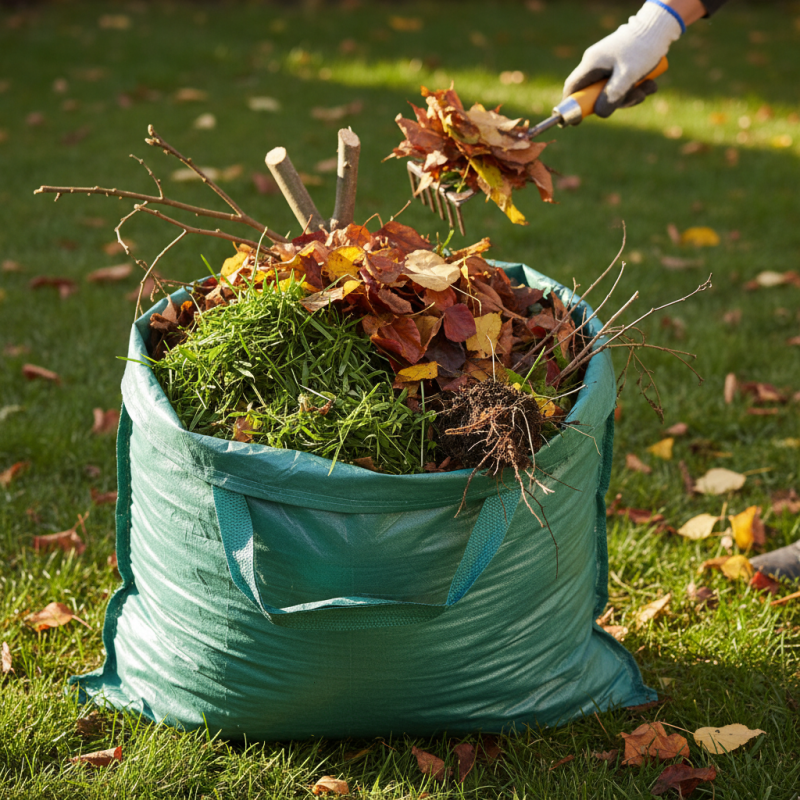
Garden waste bags are essential for managing excess organic material. These bags help gardeners properly dispose of items like grass clippings, leaves, and small branches. According to a report by the Waste and Resources Action Programme (WRAP), around 30% of household waste consists of garden waste. Properly using garden waste bags can significantly reduce this amount.
Choosing the right bag is vital. Many gardeners opt for biodegradable options, which break down over time. However, not all bags are created equal. Some may not decompose fully and can contribute to landfill issues. Data from the Environmental Protection Agency (EPA) indicates that approximately 60 million tons of organic waste are discarded annually. While garden bags offer a solution, educating oneself on disposal methods is equally important.
It’s important to understand what can and cannot go into these bags. Organic materials should be the main focus. Avoid placing non-organic items or contaminated materials into the bags. Misuse can lead to contamination of compost and other recycling processes. This confusion highlights a need for clearer guidelines and better public awareness. A simple checklist can help clarify suitable materials while preventing potential waste issues.
When it comes to disposing of garden waste, knowing what can go into a garden waste bag is essential. Various materials are suitable for disposal, and understanding these can streamline your gardening efforts.
Grass clippings are often the most abundant. They decompose quickly and enrich soil when processed right. Leaves, both dry and green, should be bagged, especially during autumn. These natural materials can break down and nourish your garden.
Scrap materials like plant trimmings also belong in garden waste bags. Small branches and twigs can be included, but ensure they are not excessively thick.
Soft, green plant matter breaks down well, aiding the composting process. Avoid mixing in synthetic materials or garden furniture remnants. It can be tempting to toss in everything, but that might cause problems later. Instead, focus on organic matter that can decompose effectively.
Think about what you might overlook. Weeds and dead plants are often disregarded, yet they fit perfectly in a garden waste bag. However, be cautious about seeds. They might germinate later if not properly processed. Each bag you fill offers a chance for improvement, so pay attention to what you include. Gardening should be rewarding but also reflective. Each choice impacts your garden’s health, and understanding waste management is key.
When using garden waste bags, it’s important to know what should not go inside them. Certain materials can harm the environment and affect waste management processes. For instance, never include food waste or kitchen scraps. These can attract pests and create foul odors. They also complicate the composting process.
Avoid placing any non-biodegradable items. Plastic bottles, metal cans, and any synthetic materials are problematic. These take years to decompose and disrupt compost quality. It may seem easier to toss everything in one bag, but this leads to larger issues down the line.
Additionally, be cautious with diseased plants and invasive species. They can spread pests or diseases if not handled properly. It might be tempting to clean up quickly, but it’s crucial to reflect on these choices. How we manage waste today has lasting effects on our gardens and the environment.
| Type of Waste | What to Put In | What to Avoid |
|---|---|---|
| Leaves and grass cuttings | Yes | Plastic bags |
| Small branches and twigs | Yes | Food waste |
| Weeds | Yes | Soil and stones |
| Flowers and plants | Yes | Meat and dairy |
| Hedges and shrubs | Yes | Plastic pots |
| Cuttings | Yes | Cinder blocks and bricks |
When filling your garden waste bag, it's vital to consider what materials to include. Start with dried leaves and small branches. These are lightweight and decompose easily. You can also add grass clippings; they add nitrogen to the mix. Try to layer different materials for better aeration. This helps in breaking down waste effectively.
Avoid overstuffing the bag. It can cause tears and spillage. Caution is key when adding bulky items, like large branches or stones. Such elements may disrupt the composting process. Wet materials should be limited too. They can lead to a soggy mess, making the bag heavy and hard to manage.
Remember to check local guidelines on what can be composted. Some organic materials, like certain food scraps, may not be suitable. Use your judgment regarding pest-infested plants. It's a good opportunity to reflect on your gardening practices. Are you recycling effectively? Being mindful can lead to better gardening habits in the long run.
Disposing of filled garden waste bags properly is crucial for environmental health. Start by ensuring your bags are tightly sealed. This minimizes mess during transport. Check local guidelines for precise disposal methods. Each area may have different requirements, especially regarding organic waste.
Consider weight limits for your bags. Overloading them can lead to spills and injuries. Lightweight options are easier to manage. Additionally, if your garden waste includes sharp items, use sturdy bags to prevent tears. Monitor weather conditions; wet materials can add unnecessary weight.
Reflect on your gardening habits. Are you producing more waste than necessary? Composting is an excellent alternative. It reduces waste and enriches soil. Evaluate your gardening practices. Streamline your processes by planning ahead. Use a checklist to track what needs disposal. These small steps can lead to significant changes in your garden’s health.
: Garden waste bags help manage excess organic material like grass, leaves, and small branches.
The right bag helps ensure proper disposal, reducing environmental impact. Biodegradable options are often preferred.
Around 30% of household waste consists of garden waste according to studies.
Suitable materials include grass clippings, leaves, small branches, plant trimmings, and weeds.
No, avoid non-organic items and contaminated materials. This can contaminate compost and recycling.
Be cautious with seeds. They may germinate later if not properly processed before disposal.
Use a checklist to clarify what materials are acceptable. Misuse can lead to contamination and waste issues.
Weeds and dead plants are often overlooked, but they fit well in garden waste bags.
Reflect on your choices. Each decision affects your garden's health and waste management quality.
Understanding disposal methods helps reduce waste and enhances the efficiency of composting processes.
When asking, "What can I put in a garden waste bag?", it's essential to understand the purpose and types of materials suitable for disposal. Garden waste bags are designed primarily for organic materials, including grass clippings, leaves, small branches, and plant trimmings. However, it's crucial to avoid placing items like plastic, soil, or hazardous waste in these bags, as they can hinder the composting process.
To ensure effective disposal, fill your garden waste bag by compacting the materials without overstuffing, which could lead to tearing. Following best practices for disposing of filled bags, such as adhering to local collection guidelines, can streamline the waste management process while contributing to sustainable gardening efforts. Whether you're a seasoned gardener or a novice, understanding these key points will help maximize the benefits of using garden waste bags.

Snax Garden