What are the benefits of vertical gardening? This question matters in crowded cities, small homes, and communities facing limited growing space. Vertical gardening uses walls, shelves, trellises, or stacked containers to raise plants upward instead of outward. A sunny balcony can hold herbs, lettuce, strawberries, and compact tomatoes without needing a traditional garden bed.
Dr. Dickson Despommier, a leading scholar of vertical farming, described the idea clearly: “The vertical farm is a building dedicated to growing food.” His work helped bring controlled-environment agriculture into public discussion. At a practical level, vertical gardening can improve space efficiency, reduce bending, and place fresh produce closer to consumers. It may also support better observation. A gardener can notice dry soil, yellow leaves, or pests while watering each level. That small daily contact is valuable.
The benefits are not unlimited. Heavy containers require secure support, and upper shelves may dry faster under warm sunlight. Indoor systems can also consume significant electricity for lighting and ventilation. Some crops, such as large pumpkins or deep-rooted vegetables, remain poor choices. The advantages depend on design, climate, maintenance, and plant selection.
Still, a vertical garden can turn an unused wall into a living food space. Imagine mint brushing against a kitchen window, or basil growing beside a narrow apartment door. These details make the system useful and personal. The most reliable approach is modest: begin with lightweight containers, test local light conditions, and record what succeeds. Vertical gardening is promising, but it is not magic. Its real value appears when thoughtful design meets everyday care.
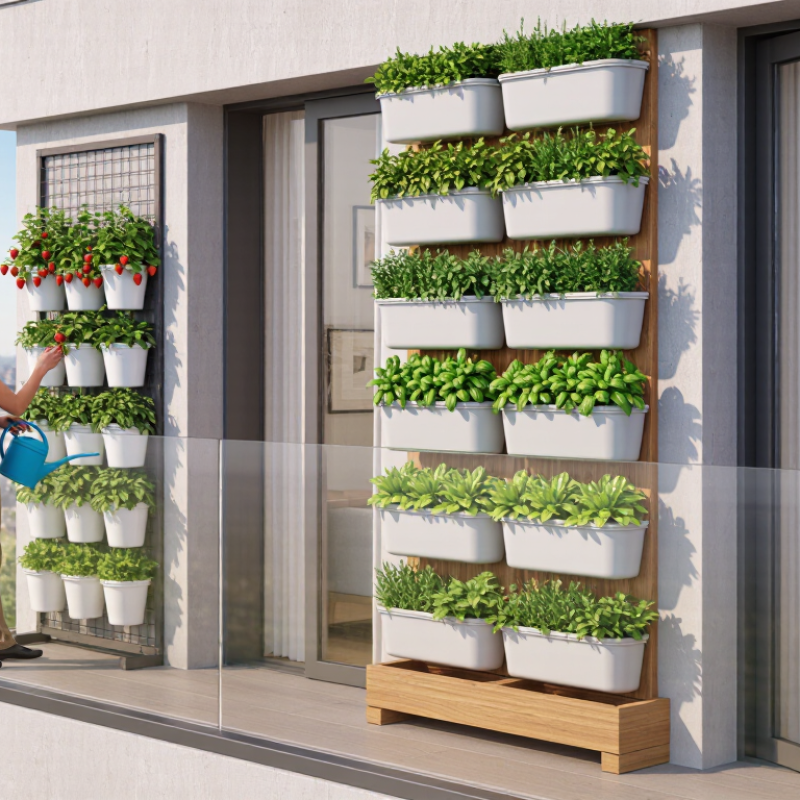
Vertical gardening means growing plants upward instead of spreading them across the ground. Plants may climb trellises, fill wall-mounted pockets, or grow in stacked containers. The method turns a bare wall, balcony, or narrow courtyard into a productive growing space.
It is more than placing pots at different heights. A sound vertical garden needs firm support, suitable light, dependable drainage, and easy access for care. Leafy greens, herbs, strawberries, and many climbing flowers often adapt well. Heavy crops need stronger structures and deeper containers. Roots still need room.
My first attempt looked attractive but failed quickly. I underestimated the afternoon heat on a south-facing wall. The containers dried out within hours. That mistake taught me to check sunlight and moisture before choosing plants. A simple moisture check can prevent stressed leaves and wasted water.
Vertical systems can improve air movement around foliage and make harvesting easier on a small plot. They may also soften hard surfaces with living texture. However, they are not maintenance-free. Upper containers can dry faster, while lower plants may receive less light. Drip irrigation can help, but blocked outlets still cause uneven watering. Secure every frame, especially above walkways. A falling planter is not a minor problem. Good design begins with the wall, climate, and gardener’s daily routine.
Vertical gardening is the practice of growing plants upward on walls, trellises, towers, or stacked containers instead of spreading them across the ground. It can make better use of limited space, improve accessibility, and support frequent harvests of compact crops.
The chart shows representative midpoints of commonly reported home-growing ranges for days to first harvest. Actual timing varies by cultivar, climate, light, and growing conditions.
A vertical garden grows plants on an upright frame instead of a flat bed. The structure may use pockets, trays, or narrow planting boxes. Each section holds a lightweight growing medium, such as coconut fiber, compost, and perlite. This mix supports roots while allowing excess water to escape.
Water usually enters through a top tube or a hand-watering system. Gravity carries moisture downward, so upper plants may receive more water than lower ones. A drainage layer helps prevent soggy roots and structural damage. Strong anchors are essential, especially after rain. The wall must support the frame, wet soil, and mature plants. In a shaded courtyard, leafy herbs may thrive, but fruiting plants often need stronger light. I have noticed that small design errors become obvious quickly. One blocked outlet can damage several plants within days.
Tips: Choose plants with similar water and light needs. Check moisture at different levels, not only the top. Leave space between containers for airflow. Trim crowded growth before leaves remain damp overnight. Start with a small frame, because maintenance takes longer than expected. Use clean water and inspect tubes regularly for clogs. A simple schedule helps, although plants rarely follow it perfectly.
Vertical gardening turns unused walls, railings, and shelves into productive growing space. This matters as cities expand. The United Nations projects that 68% of the global population will live in urban areas by 2050. Vertical systems can help households grow herbs, leafy greens, and strawberries where soil is limited. A narrow balcony may hold several planting levels, while a trellis can guide climbing beans toward sunlight.
Growing upward can also improve water control. Containers placed at different heights allow growers to inspect moisture, roots, and pests more easily. Industry data from Agrilyst’s State of Indoor Farming report found that some controlled systems used up to 95% less water than traditional agriculture. That figure is not universal. Climate, equipment, crop choice, and maintenance change the result. Still, drip irrigation and recycled water can reduce waste around each plant. Less waste, when managed carefully.
Vertical growing may support fresher household food and reduce short trips to shops. It can also improve air movement when plants are spaced correctly. However, crowded towers create shade, weak stems, and hidden diseases. I have seen how attractive dense greenery can become a maintenance problem. The system needs regular pruning, stable supports, and safe access. Lighting adds another concern for indoor gardens. Electricity can erase environmental gains if the setup depends heavily on artificial light. Vertical gardening saves space, but it does not remove the need for thoughtful design.
Vertical gardening turns unused walls, balconies, and fences into productive growing space. The system you choose affects water use, plant health, and daily maintenance.
Pocket planters hold herbs, lettuce, and compact flowers in fabric or felt compartments. They are light and affordable, but pockets can dry unevenly.
That matters.
Trellis systems support climbing plants such as beans, cucumbers, and jasmine. Wooden frames, wire grids, and tensioned cords guide stems upward while keeping walkways clear.
Modular panel systems
Modular panel systems use connected containers, often with a reservoir or drip line. They suit larger walls and allow individual plants to be replaced without rebuilding everything. However, hidden leaks may stain masonry, and wet soil can become surprisingly heavy.
Strong anchors are essential.
Hydroponic towers grow plants in stacked openings with nutrient-rich water rather than soil. They can produce herbs in small spaces, yet pumps require electricity and regular cleaning.
Living wall systems create dense displays through felt layers, planting trays, or soil-based modules.
In practical installations, a washable floor, reliable drainage, and easy root access prevent many problems.
Many beginners underestimate sunlight.
South-facing walls may overheat, while shaded corners limit vegetables. Measure light for a full day before choosing crops.
A beautiful system may still need redesigning.
What Are the Benefits of Vertical Gardening?
Vertical gardens can turn a narrow balcony, courtyard, or kitchen wall into productive growing space. The United Nations projects that 68% of the world’s population will live in urban areas by 2050. Space-efficient gardening may therefore support local herbs, vegetables, and pollinator plants. It can also soften hard surfaces and make small spaces feel cooler and more alive. The benefits depend heavily on planning, not appearance alone.
Check the wall’s strength before adding containers, wet soil, and mature plants. Water can make a system surprisingly heavy. The U.S. Environmental Protection Agency identifies green infrastructure as a useful approach for managing stormwater, but a planted wall is not automatically a drainage solution. Install a safe overflow route and protect the building surface. Sunlight matters too. Track direct light for several days before choosing plants. A shaded wall will disappoint if filled with sun-loving crops.
Maintenance is often underestimated. Research from the Food and Agriculture Organization highlights urban agriculture’s value for food access, but small gardens still need reliable water and regular care. Choose drought-tolerant plants when daily watering is unrealistic. Use lightweight, stable growing media. Inspect roots, pests, irrigation lines, and fasteners each month. I once focused too much on planting density; airflow suffered, and several plants developed fungal problems. More greenery is not always better. Consider wind exposure, seasonal temperatures, access for pruning, and local building requirements before installation.
Vertical gardening grows plants upward on walls, trellises, railings, or stacked containers. It saves ground space. Roots still need room.
Herbs, leafy greens, strawberries, beans, cucumbers, and climbing flowers often perform well. Heavy crops need deeper containers and stronger support.
Check sunlight, wall temperature, container depth, drainage, and watering access. Measure light throughout the day. Guessing can waste plants.
Regular pruning, watering, pest checks, and support inspections are necessary. Upper containers may dry quickly. Lower plants may receive less light.
Drip irrigation can deliver water near individual roots. Recycled water may reduce waste when managed safely. Blocked outlets still create dry spots.
Common systems include pocket planters, trellises, modular panels, hydroponic towers, and living walls. Each system has different costs and maintenance needs.
Yes, if the balcony can support the added weight. Wet soil becomes heavy. Keep walkways clear and secure every frame carefully.
South-facing walls may overheat containers during afternoon hours. Shaded corners may limit vegetable growth. My first setup dried within hours.
They need electricity, clean pumps, balanced nutrients, and regular maintenance. A pump failure can quickly stress plants. They are not effortless.
Use strong anchors, stable frames, reliable drainage, and easy access for inspection. Avoid placing loose planters above busy walkways. Safety comes first.
Vertical gardening is a method of growing plants upward on walls, frames, shelves, trellises, or other vertical structures instead of spreading them across the ground. These systems support plants through containers, pockets, modular panels, or climbing frameworks, making it possible to create productive gardens in small spaces. What are the benefits of vertical gardening? It can save floor space, improve access to sunlight, enhance air circulation, and make watering, pruning, and harvesting more convenient. Vertical gardens can also add visual interest, soften hard surfaces, and help create a greener, more pleasant environment.
Common options include living walls, stacked containers, hanging systems, trellis gardens, and tower-style planters. Before building one, gardeners should consider the available light, wall strength, drainage, irrigation, plant size, maintenance requirements, and local climate. Choosing suitable plants and using a stable, well-drained structure will help the garden remain healthy, attractive, and practical over time.

Snax Garden