China Top Compost Bins Why Is My Compost Bin Smelling Bad?

Time:2026-09-28 Author:Aria
0%

Why is my compost bin smelling bad? The answer usually begins with what is happening inside the bin, not with the scraps themselves. A sharp rotten-egg odor can signal too little oxygen, while a sour, swampy smell often points to excess moisture. Picture wet food scraps pressed into a dense clump, with dry leaves nowhere in sight. That small imbalance can quickly turn a useful compost mix unpleasant.

The U.S. Environmental Protection Agency’s 2019 Wasted Food Report estimated that 66 million tons of wasted food were generated in U.S. homes, food service, and retail. That scale makes home composting valuable, but a bin still needs sensible care. Composting specialist Dr. Sally Brown has emphasized the importance of balancing moisture and aeration; in practical terms, add dry “browns” and loosen compacted material when odors appear. The EPA describes composting as “nature’s way of recycling.” A simple idea.

This guide looks at common odor clues, from ammonia-like sharpness to a heavy, sour smell, and explains what they may indicate. It also covers practical fixes for indoor and outdoor bins, including airflow, moisture, and the balance between greens and browns. The diagnosis is not always perfect; smells can overlap, and bin conditions vary. Still, a quick check of texture and airflow often reveals the next useful step.
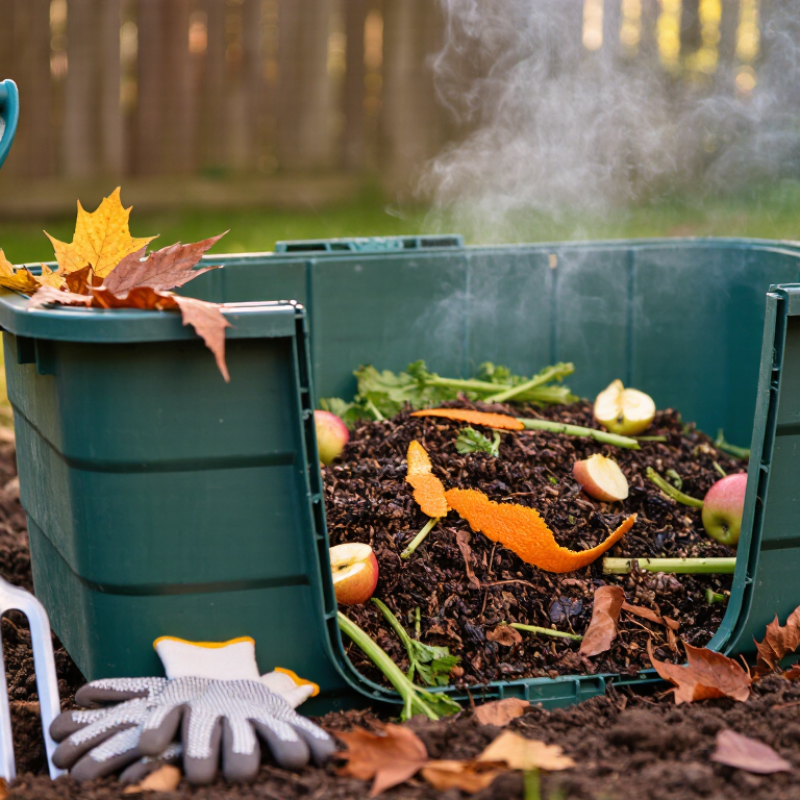
China Top Compost Bins Why Is My Compost Bin Smelling Bad?

What a Healthy Compost Bin Should Smell Like

What a healthy compost bin should smell like is simple: mild, earthy, and a little like damp leaves after rain. It should not sting your nose. A faint, sweet scent can be normal as fruit scraps break down. Strong sour, rotten-egg, or ammonia odors often mean the mix is too wet, compacted, or rich in food scraps. The US EPA’s home-composting guidance recommends moisture like a wrung-out sponge. Cornell Waste Management Institute guidance gives a useful starting carbon-to-nitrogen ratio of about 25–30:1. These are practical guides, not guarantees; scraps and weather vary.

A quick check can reveal a lot. If the center feels soggy and clumps together, add dry leaves or torn cardboard, then turn the material to let air through. If it smells sharp and ammonia-like, mix in more dry, carbon-rich material. The surface may look tidy while the lower layers stay wet, so check deeper. That part is easy to miss.

Tips: Keep a small layer of dry leaves over fresh kitchen scraps. Turn the pile when odors appear, and squeeze a handful to check moisture. It should feel damp, not drip. A brief odor after adding scraps can happen; persistent bad smells deserve another check.

Common Causes of Bad Odors in Compost Bins

A sour, rotten-egg smell usually signals too little oxygen. Wet scraps and tightly packed layers leave airless pockets where decomposition turns unpleasant. A sharp ammonia smell often points to excess nitrogen from food scraps or fresh grass clippings. It can be easy to miss the change until the lid opens.

Moisture and balance matter. Cornell Waste Management Institute guidance places compost moisture around 50–60% and the carbon-to-nitrogen ratio near 30:1. Too much water can crowd out air; too many “green” materials can create excess nitrogen. Add dry leaves or shredded cardboard, then turn the pile with a fork. EPA home-composting guidance also suggests mixing about three parts “browns” with one part “greens” by volume. These are useful starting points, not magic numbers.

Some ingredients make odors worse. Meat, dairy, oils, and cooked leftovers can attract pests and produce strong smells in a backyard bin. I once assumed more food scraps meant faster compost; the soggy, sour corner proved otherwise. Remove contaminated material if needed, loosen compacted layers, and keep the pile damp like a wrung-out sponge. Not dripping. Check again after a few days.

China Top Compost Bins Why Is My Compost Bin Smelling Bad? - Common Causes of Bad Odors in Compost Bins
Common Cause Typical Odor or Sign Why It Happens Practical Fix
Too much moisture Sour or stagnant smell; material feels soggy Excess water fills air spaces in the pile, limiting oxygen and encouraging anaerobic decomposition. Mix in dry leaves, shredded cardboard, or other dry carbon-rich material. Cover the bin during heavy rain and check that excess water can drain.
Poor airflow or compacted contents Rotten or sulfur-like odor; dense, matted material Microorganisms need oxygen for efficient aerobic decomposition. Compacted scraps and limited ventilation can reduce airflow. Loosen and turn the contents with a garden fork or compost aerator. Break up clumps and add coarse, dry material to create air spaces.
Too many nitrogen-rich scraps Ammonia-like or sharp smell; slimy food scraps A large amount of green material, such as food scraps or fresh grass, without enough carbon-rich material can produce excess ammonia and moisture. Blend in dry leaves, straw, or shredded uncoated cardboard. Add new food scraps in smaller amounts and cover them with browns.
Food scraps left exposed Rotting-food smell; flies or other pests may gather Exposed scraps decompose on the surface and can attract insects and animals before they are mixed into the pile. Bury or mix scraps into the center of the compost and cover them with a layer of dry leaves or finished compost.
Meat, fish, dairy, or oily foods added Strong rancid or putrid odor; increased pest activity These materials can create persistent odors and attract pests in many ordinary backyard compost piles. Keep meat, fish, dairy, and oily foods out of a standard backyard bin unless the composting system is specifically designed to handle them.
Insufficient dry carbon-rich material Wet, sticky compost with a sour or unpleasant smell Carbon-rich “brown” materials help balance moist, nitrogen-rich “green” materials and improve the pile’s structure. Add dry leaves, straw, small twigs, or shredded uncoated cardboard gradually, then mix thoroughly.
Poor drainage or standing liquid Foul liquid collecting at the bottom of the bin Blocked drainage or a waterlogged base can leave the lower compost saturated and low in oxygen. Clear drainage openings, keep the bin off saturated ground where possible, and mix in dry, bulky material to absorb excess moisture.
Pile is not mixed regularly Odor comes from isolated wet or compacted pockets Different sections can decompose unevenly when wet scraps, dry material, and air are not distributed throughout the pile. Turn or stir the compost when adding a substantial amount of fresh material, or whenever unpleasant odors or compacted areas appear.

How to Identify the Source of a Compost Bin Smell

A healthy compost bin usually smells earthy, like damp leaves after rain. A sharp or unpleasant odor often points to a specific imbalance, so notice when and where it is strongest. Lift the lid and smell near the surface, then check the lower layers. Trust your nose.

A rotten-egg smell can mean the pile is too wet or packed tightly, leaving little air between materials. Squeeze a handful with gloves: it should feel like a wrung-out sponge, not drip water.

An ammonia-like odor often suggests too many nitrogen-rich scraps, such as fresh grass or kitchen waste, compared with dry leaves or shredded cardboard.

A sour, fermented smell may come from food scraps buried in a dense, soggy pocket. Look closer.

The bin itself can also hold clues. Check for standing water at the base, blocked drainage holes, or a lid that traps heavy condensation. Notice whether the odor comes from one corner; a forgotten pocket of scraps may be the source. I once blamed the whole pile, though one wet clump was responsible. That was a useful correction. Compost smells vary, and one sniff is not always enough; check again after gently turning a small area.

Step-by-Step Ways to Fix a Smelly Compost Bin

A sour, rotten-egg smell often means the compost is too wet and short on air. An ammonia-like smell can point to excess nitrogen-rich scraps, such as fresh grass clippings. Check it first. Lift the lid and notice whether the pile looks soggy, feels compacted, or has standing liquid underneath. These clues help distinguish common causes, though smells can overlap.

For a wet pile, mix in dry leaves, shredded plain cardboard, or untreated wood chips until the material feels like a wrung-out sponge. If it smells sharp like ammonia, add more dry, carbon-rich material and pause food-scrap additions for a few days. Then turn the pile with a fork, loosening dense clumps so air can move through. Keep meat, dairy, and oily leftovers out; bury suitable fruit and vegetable scraps beneath dry material to discourage pests. A little patience helps. Recheck the smell after a day or two, rather than adding several fixes at once. I’ve found that changing one thing at a time makes it easier to tell what actually helped. If liquid keeps pooling, improve drainage or move the bin to a spot with better airflow.

How to Prevent Odors in Compost Bins from China Top Brands

A sour, rotten-egg smell usually means the pile is too wet or lacks air. Cornell Waste Management Institute guidance places compost moisture around 40–60%, with a carbon-to-nitrogen ratio near 25–30:1. These are useful targets, not magic numbers. Squeeze a handful: it should feel like a wrung-out sponge, not drip. Too wet? Mix in dry leaves, shredded cardboard, or untreated paper. Too dry? Add a little water and turn the material.

Even well-designed compost bins from China’s leading manufacturers need balanced contents and airflow. Keep food scraps covered with a layer of dry browns, and chop large pieces so they break down more evenly. Turn the pile when it feels compacted, especially near the bottom. Check drainage holes for blockages, and avoid adding meat, dairy, or oily leftovers to a typical backyard bin. A tight lid may seem like the culprit; often, excess moisture is the real issue. I would check the contents before changing the bin. Start with one small adjustment, then observe the smell over several days.

Why Compost Bins Smell: Keep Moisture in the Right Range

Excess moisture can restrict airflow and encourage anaerobic conditions that produce unpleasant odors. A commonly recommended moisture range for compost is about 40–60%; adjust materials as needed, since conditions vary.

FAQS

What does a rotten-egg smell mean in a compost bin?

It often means the pile is too wet or tightly packed. Air cannot move through soggy layers. Loosen them with a garden fork.

Why does my compost smell like ammonia?

Too many nitrogen-rich scraps, such as fresh grass or kitchen waste, may be the cause. Add dry leaves or shredded cardboard. Turn the pile gently.

What should healthy compost smell like?

It usually smells earthy, like damp leaves after rain. Not sour.

How can I find the source of a bad odor?

Smell near the surface, then check the lower layers. Look for a wet clump, standing water, or blocked drainage holes. One corner may be responsible.

How moist should compost feel?

Aim for about 50–60% moisture. A handful should feel like a wrung-out sponge, not drip water. I once mistook soggy compost for healthy moisture.

What balance of browns and greens can help reduce odors?

Try about three parts dry browns to one part greens by volume. A carbon-to-nitrogen ratio near 30:1 is another useful guide, not a strict rule.

Which scraps can make a backyard compost bin smell worse?

Meat, dairy, oils, and cooked leftovers can create strong odors and attract pests. Remove problematic material if needed.

When should I check the pile again?

Turn a small area, correct the moisture or balance, and check again after a few days. One sniff may not tell the whole story.

Conclusion

A healthy compost bin should smell earthy and fresh, like damp soil. If you’re asking, “Why is my compost bin smelling bad,” the cause is often an imbalance in its contents or conditions. Too many wet, nitrogen-rich scraps, insufficient dry materials, poor airflow, or excess moisture can create sour or rotten odors. A strong ammonia-like smell may indicate an excess of nitrogen-rich material, while a musty smell can suggest the pile is too wet or compacted.

To find the source, check the compost’s moisture, texture, and ingredients. Add dry materials such as shredded leaves or plain cardboard when the pile is wet, and mix everything to improve airflow. If it smells overly dry, add a little water and suitable fresh scraps. Bury food waste beneath dry materials, avoid overfilling the bin, and turn the pile regularly. These simple habits help maintain a balanced compost bin and prevent odors from returning.

Aria

Aria

Aria is a dedicated marketing professional with a deep passion for innovative strategies and a keen understanding of our company's product offerings. With a wealth of experience in the industry, Aria excels at crafting engaging content that highlights the unique features and benefits of our......