Engineered to optimize root-zone hydration, reduce disease vulnerability, and dramatically conserve fertilizer input in humid tropical environments.
Equatorial Guinea, comprising the mainland region of Río Muni and the insular volcanic territory of Bioko Island (home to the capital Malabo), features a diverse tropical rainforest climate. Historically reliant on crude oil exports, the Equatoguinean government is actively executing agricultural diversification strategies via the "Plan Nacional de Desarrollo Económico y Social". Modernizing the cultivation of strategic commodities such as cocoa (cacao), high-altitude coffee, plantain, and root crops is critical to achieving domestic food security and expanding export revenue.
Although equatorial regions receive high total annual rainfall, precipitation is intensely seasonal. Prolonged dry spells (known locally as the "seca") challenge the vegetative and fruiting phases of key crops, leading to severe yield drops. Moreover, surface runoff in volcanic mountainous terrains (Bioko) and highly leached mainland soils (Bata, Oyala) causes dramatic nutrient erosion. Standard overhead irrigation methods worsen this by washing away fertilizers and raising humidity, which triggers fungal diseases like black pod rot in cocoa plantations. Modern micro-irrigation systems address these challenges directly.
Ensures persistent root moisture levels during the dry months, safeguarding delicate coffee flowering stages.
Delivers water-soluble macro-nutrients directly to root networks, minimizing soil leaching caused by torrential equatorial rain.

Tailoring precision drip kits to match the geography, soil dynamics, and logistical realities of the Equatoguinean agricultural landscape.
Integrating thick-walled, pressure-compensating (PC) inline drippers that maintain precise flow rates across sloped terrains and volcanic topographies without clogging.
Automated misting and micro-spray kits for commercial vegetable operations near Malabo and Bata, utilizing solar-powered timers to operate independent of the local grid.
Affordable, gravity-fed drip setups designed to operate at low pressures (0.1–0.2 bar). Perfect for small family farms seeking to improve food self-sufficiency.
Empirical yield and efficiency projections comparing traditional farming methods with automated micro-drip networks.
Deploying irrigation equipment in equatorial climates demands resilient materials. Intense solar radiation rapidly degrades cheap plastic components. Our premium kits utilize raw materials fortified with UV-inhibitors and carbon black additives. This allows our tubing to withstand continuous exposure to sunlight without cracking or structural failure.
Additionally, high humidity and surface water in Equatorial Guinea often carry organic particles that lead to bacterial growth inside drip systems. Our latest R&D efforts focus on introducing antimicrobial inner linings in PE tubes and using self-flushing maze-path emitters. These design upgrades significantly reduce clogging risks, even when sourcing water from local rivers or rainwater harvesting systems.
Solar-powered automation controllers operate without battery replacements, making them ideal for remote farms in Centro Sur and Kié-Ntem.
Wi-Fi and Zigbee smart hubs monitor real-time soil moisture levels, preventing over-watering during sudden afternoon rainstorms.
Shanghai Snax Garden Co., Ltd. is a leading manufacturer and exporter of advanced gardening, outdoor living, and agricultural micro-irrigation systems. Based in China, we specialize in high-efficiency, sustainable solutions for international agricultural distributors, DIY retail chains, and government procurement offices worldwide.
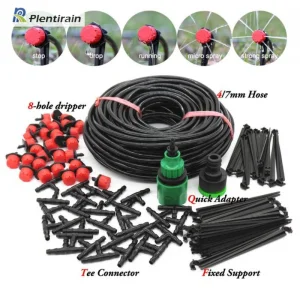
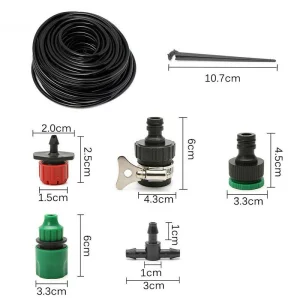
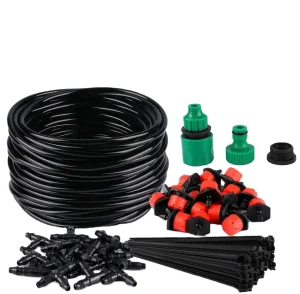
Our comprehensive catalog spans specialized drip accessories, heavy-duty PE piping, micro-sprinklers, solar irrigation controllers, and complete 1-hectare farm kits. By focusing on smart water conservation, we design products that help agricultural projects achieve high yield outputs with minimal resource waste.
We prioritize strict quality control and social responsibility. Our manufacturing facilities are certified under FSC (Forest Stewardship Council), GRS (Global Recycled Standard), and CE, ensuring our materials meet strict international safety and environmental regulations.
Our global shipping network serves key markets across Europe, South America, and Africa. We provide dedicated logistics, customs clearance documentation, and tailored agricultural design support for projects in Equatorial Guinea, assuring reliable cargo delivery to both Malabo and Bata ports.
How we manage manufacturing, export compliance, and direct cargo shipping to Equatorial Guinea.
We supply complete documentation, including Bills of Lading, SGS inspections, Certificate of Origin, and packing lists matching Equatorial Guinea's CEMAC import regulations.
Send us your plantation dimensions, topography maps, water source specs, and crop details. Our engineering team will design custom layouts for your drip systems.
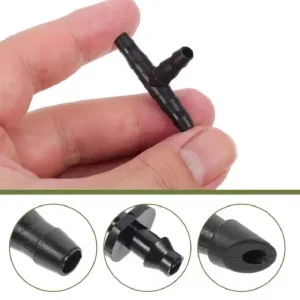
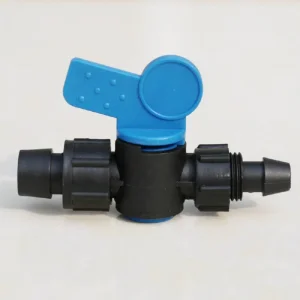
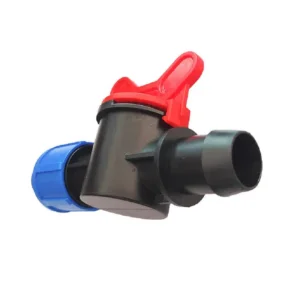
We supply step-by-step video installation guides, operation manuals, and replacement parts (such as grommets, tape, and valves) to keep your project running smoothly.
Technical information on importing, implementing, and running micro-drip irrigation systems in Equatorial Guinea.
High humidity in locations like Malabo and Bata makes leaves susceptible to fungal diseases like black pod rot in cocoa crops. Overhead sprinklers wet the leaves and wash away soil nutrients. Drip irrigation delivers water directly to the soil, keeping leaves dry and preventing fungal growth while conserving water.
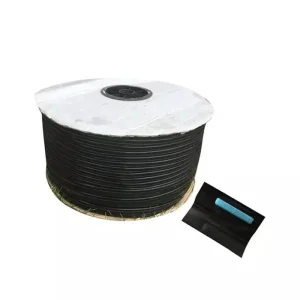
Our drip tubes are manufactured from premium virgin LLDPE/HDPE materials blended with specialized UV-stabilizers and carbon black. This structural formula prevents the polymers from breaking down under continuous, intense equatorial sunlight, increasing the system's lifespan to over 5 years of field use.
Yes. We offer gravity-fed kits designed for smallholder farms that run efficiently on low water pressure (0.1 to 0.2 bar). Elevating a water storage tank 1 to 2 meters off the ground generates enough pressure to run the drip lines, eliminating the need for electric pumps.
We supply full documentation to meet all CEMAC customs requirements, including the Bill of Lading, Commercial Invoice, Packing List, Certificate of Origin, and SGS or Bureau Veritas quality certifications, ensuring smooth port clearance.
Examine our full range of heavy-duty, solar-powered, and customizable drip kits designed for large-scale agricultural projects.
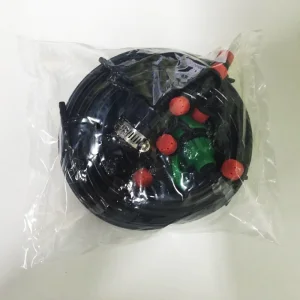
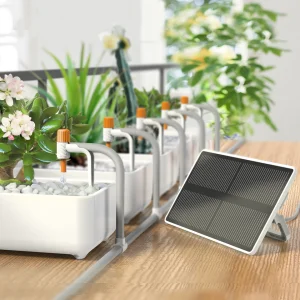
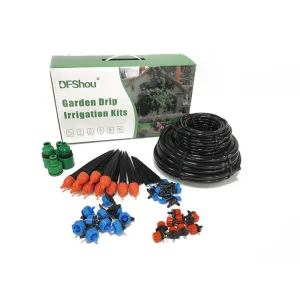

Get in touch with Shanghai Snax Garden's engineering team for customized layouts, custom manufacturing specifications, and bulk pricing options.
Send Inquiry Now Snax Garden