Snax Garden
1 / 5
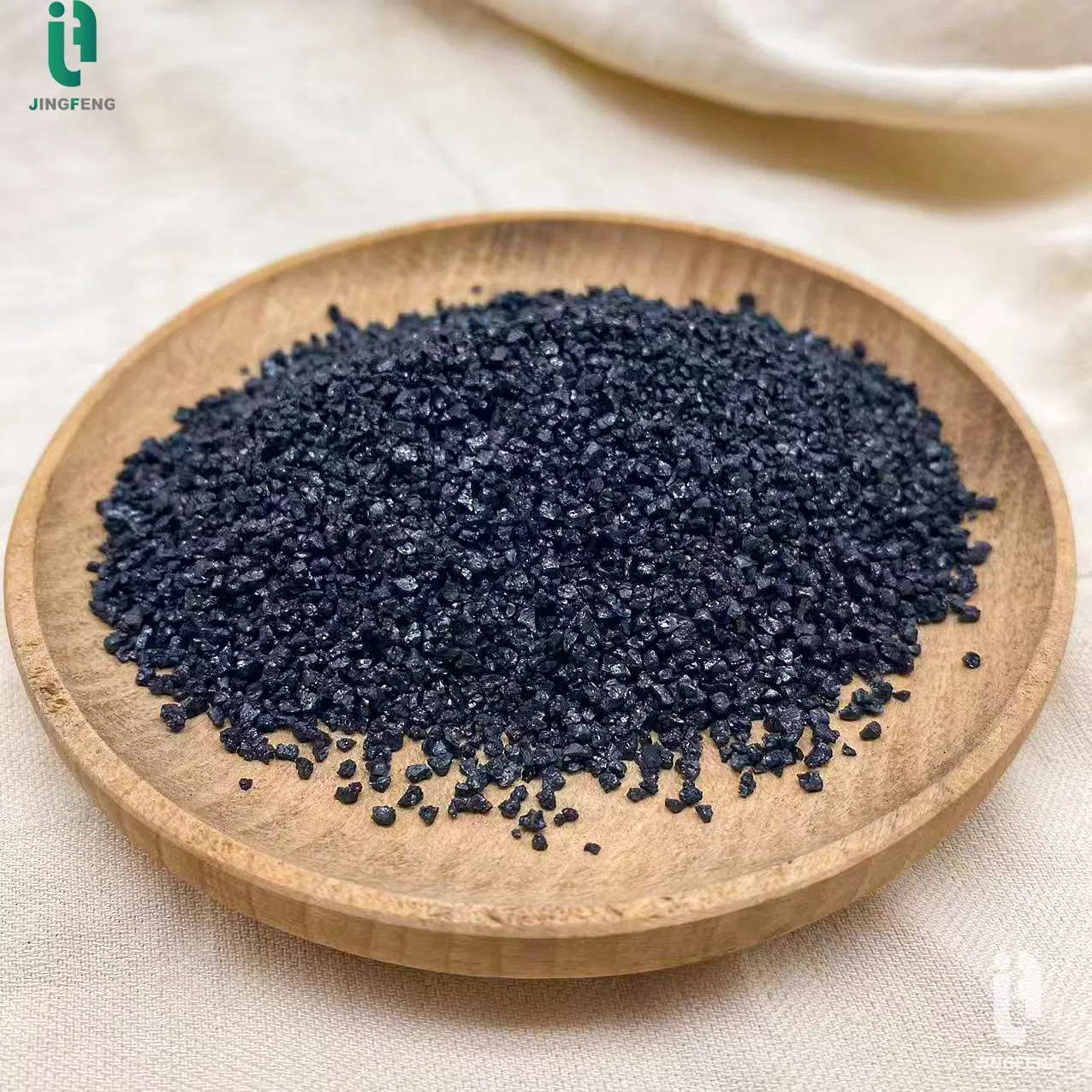
| Model NO. | JFHA-KHA-C | Application | Vegetables, Flowers, Fruit, Tomato |
| State | Shiny Crystal | Validity | Long-term |
| Physics State | Solid | Infection On Soil | Physiological Neutral |
| Chemical Character | Chemical Alkaline | Raw Material | Leonardite |
| Type | Commercial Organic Fertilizer | Production Process | Sun-Dried |
| European Market | Reach Certificate | Usage | Modern Agriculture, Machine Broad |
Scientific studies confirm that potassium humate fertilizer is a key component for sustainable crop production. It significantly increases crop yield, soil health, and stress resistance. For instance, trials on foxtail millet revealed higher plant height, increased chlorophyll content, and improved grain yield.
Sourced from rare carbon-rich deposits, this humate delivers a unique blend of humic acids and beneficial microbes that drive real change in modern farming.
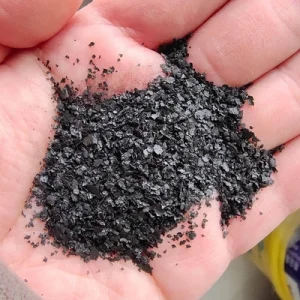
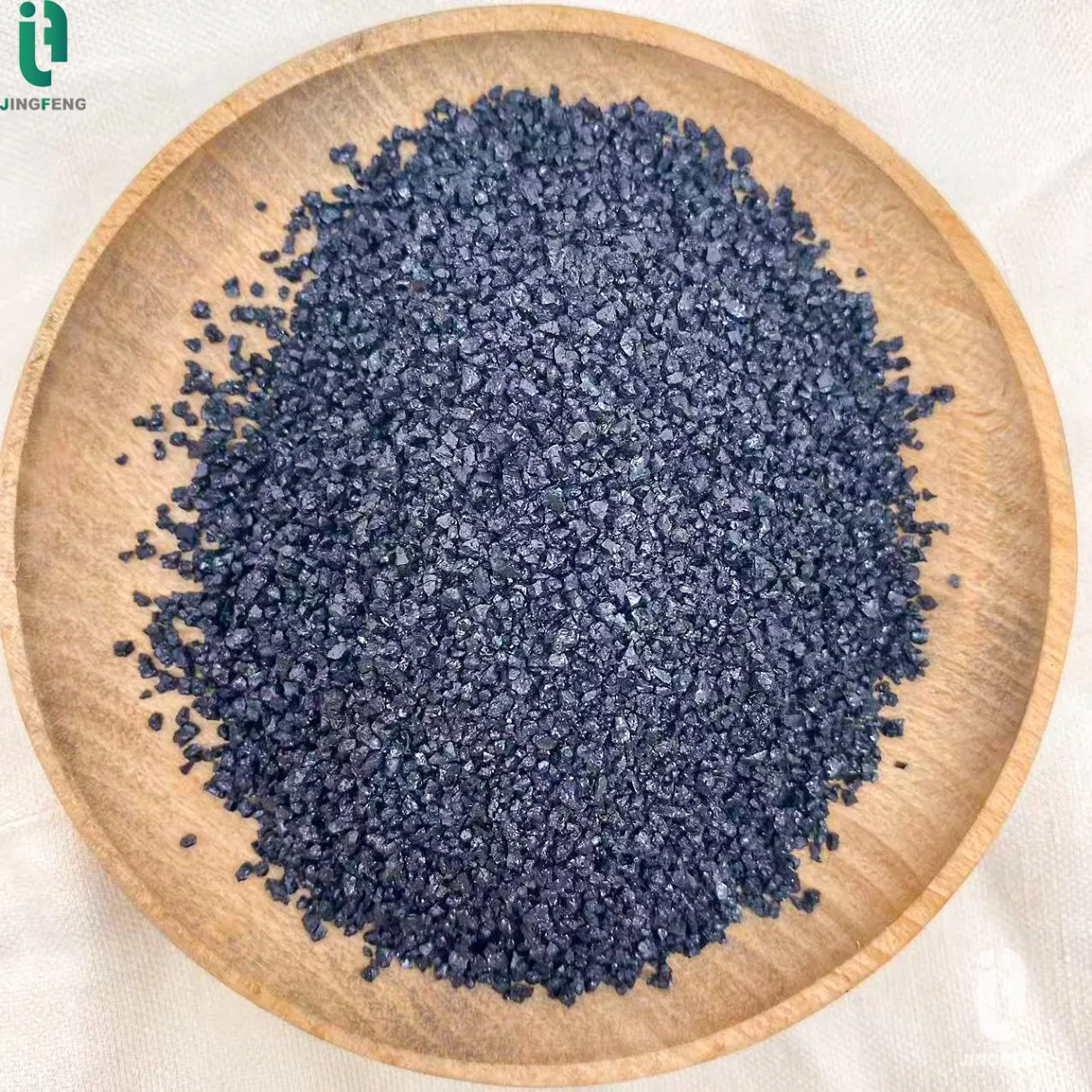
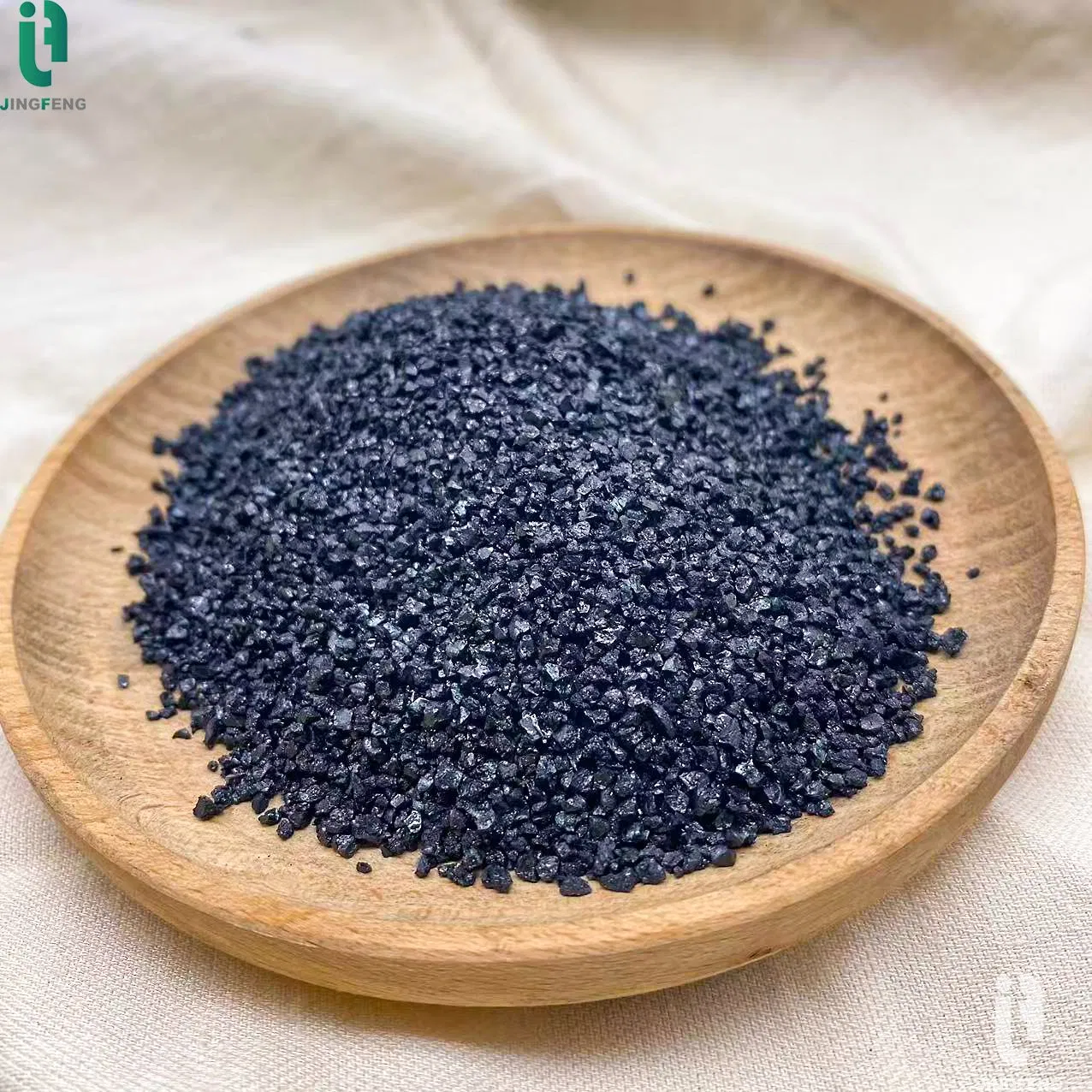
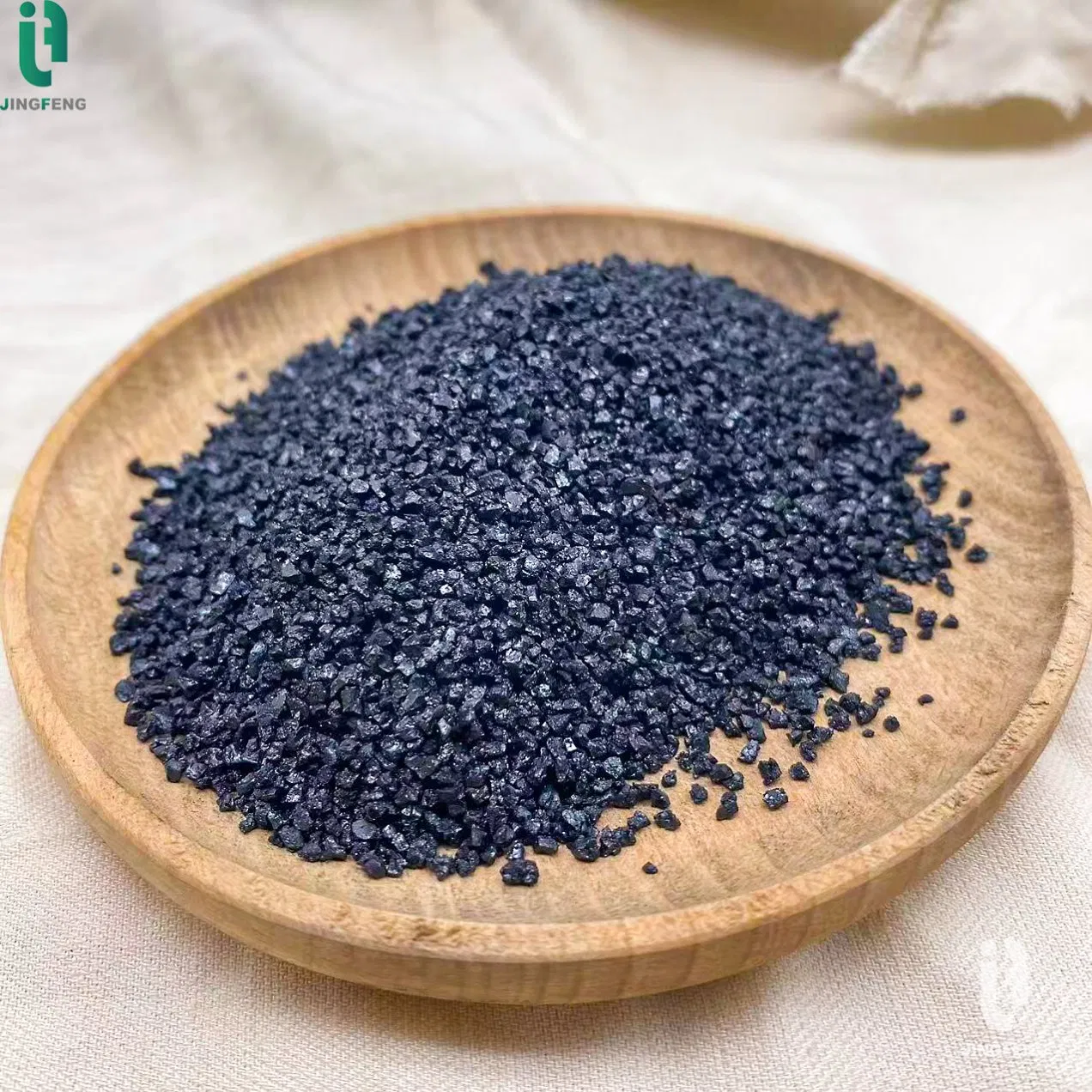
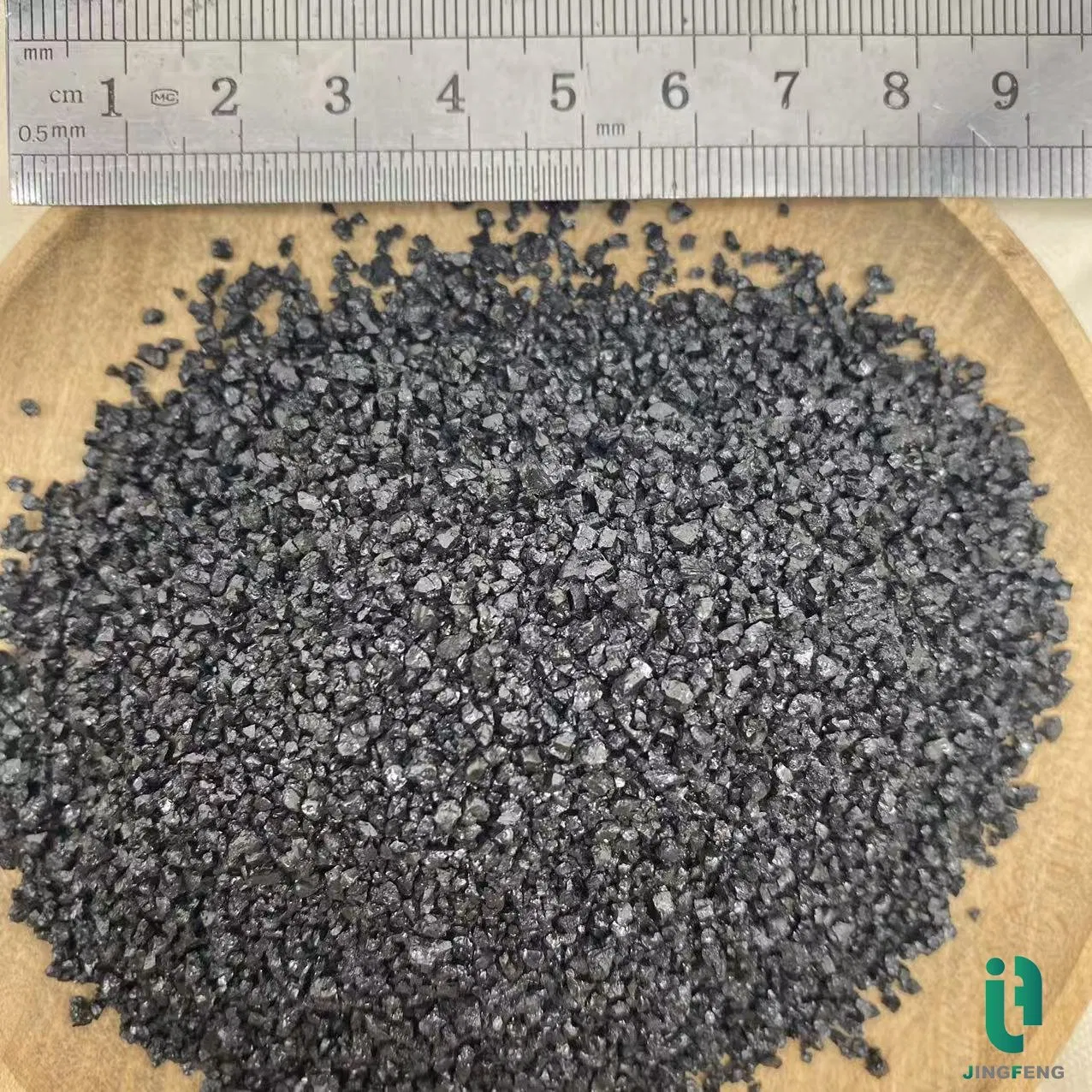
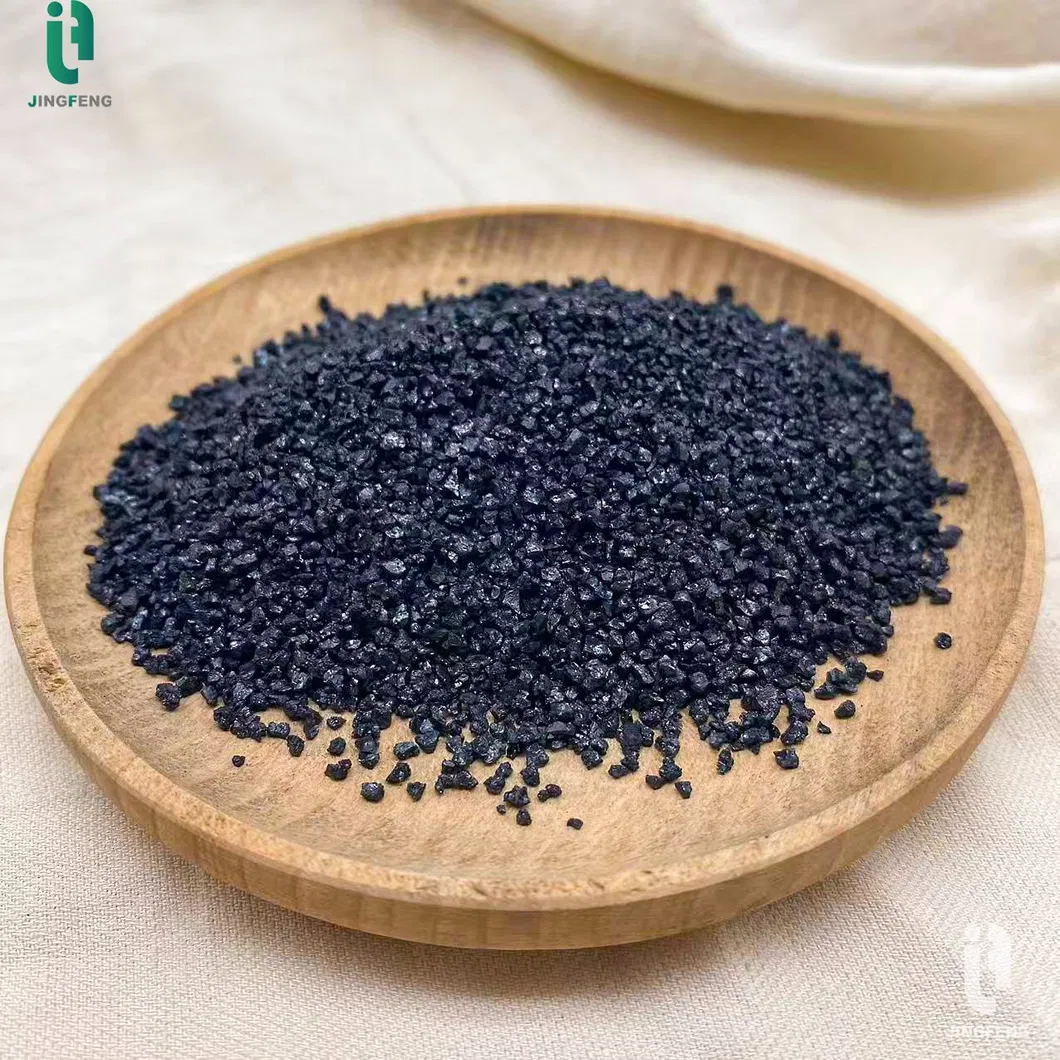
| Appearance | Black Flakes / Powder | Black Crystal / Column |
|---|---|---|
| Water Solubility | 100% | 90% |
| Potassium (K2O dry basis) | 10.0% min | 10.0% min |
| Humic Acid (dry basis) | 70.0% min | 65.0% min |
| Fulvic Acid (dry basis) | 2.0% min | 2.0% min |
| Moisture | 15.0% max | 15.0% max |
| Particle size | 1-2 mm | 1-2mm/2-4mm/4-6mm |
| pH | 9-10 | 9-10 |
| Crop Type | Dosage (lbs/acre) | Foliar Spray Dilution | Notes |
|---|---|---|---|
| Leafy Greens | 1-2 | 1-2% | Use lower end for sandy soils |
| Fruiting Plants | 2-4 | 1-2% | Increase for clay soils |
| Root Vegetables | 3-5 | 1-2% | Monitor soil pH (6.0-7.5 optimal) |
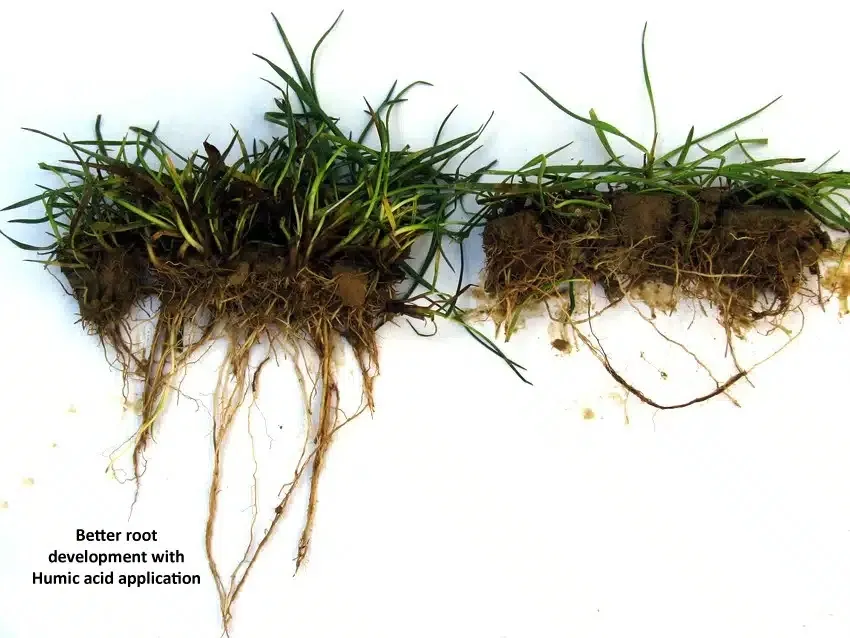
Potassium humate transforms soil structure, making it more crumbly and easier to work. In many regions, coffee and rice plantations have seen yield increases of 15-20% due to improved nutrient retention and root development.
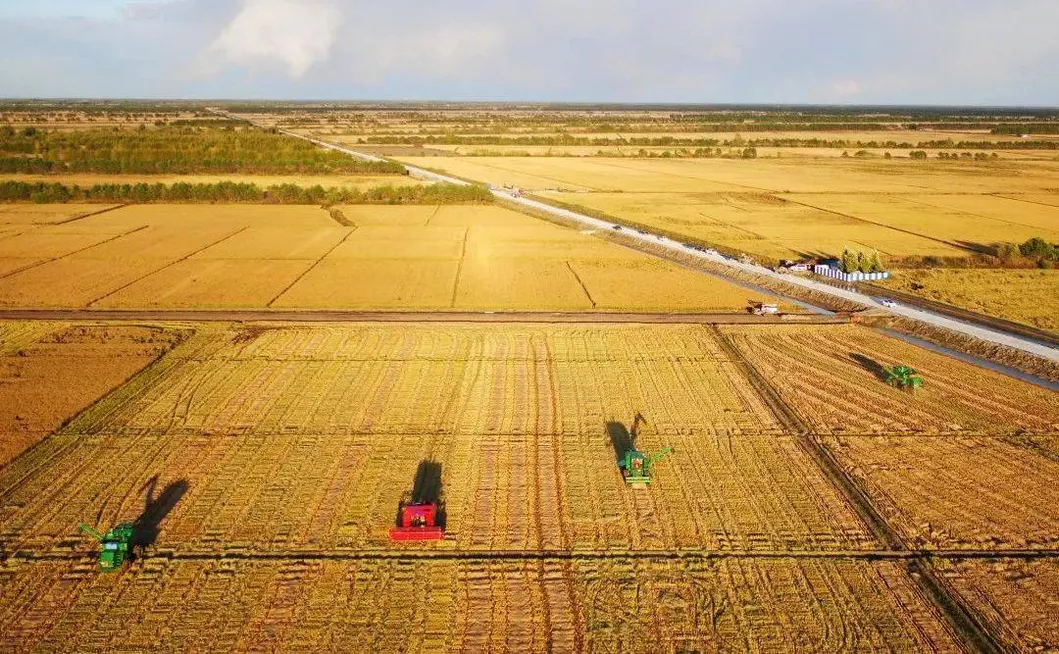

This fertilizer unlocks nutrients within the soil. It contains a balanced mix of nitrogen, phosphorus, potassium, calcium, and trace minerals. Humic acids bind these nutrients to soil particles, preventing leaching and ensuring a steady supply for crops.
By providing a carbon source, it feeds beneficial bacteria and fungi. This increases microbial biomass and resilience against pathogens, boosting nutrient retention by up to 50%.


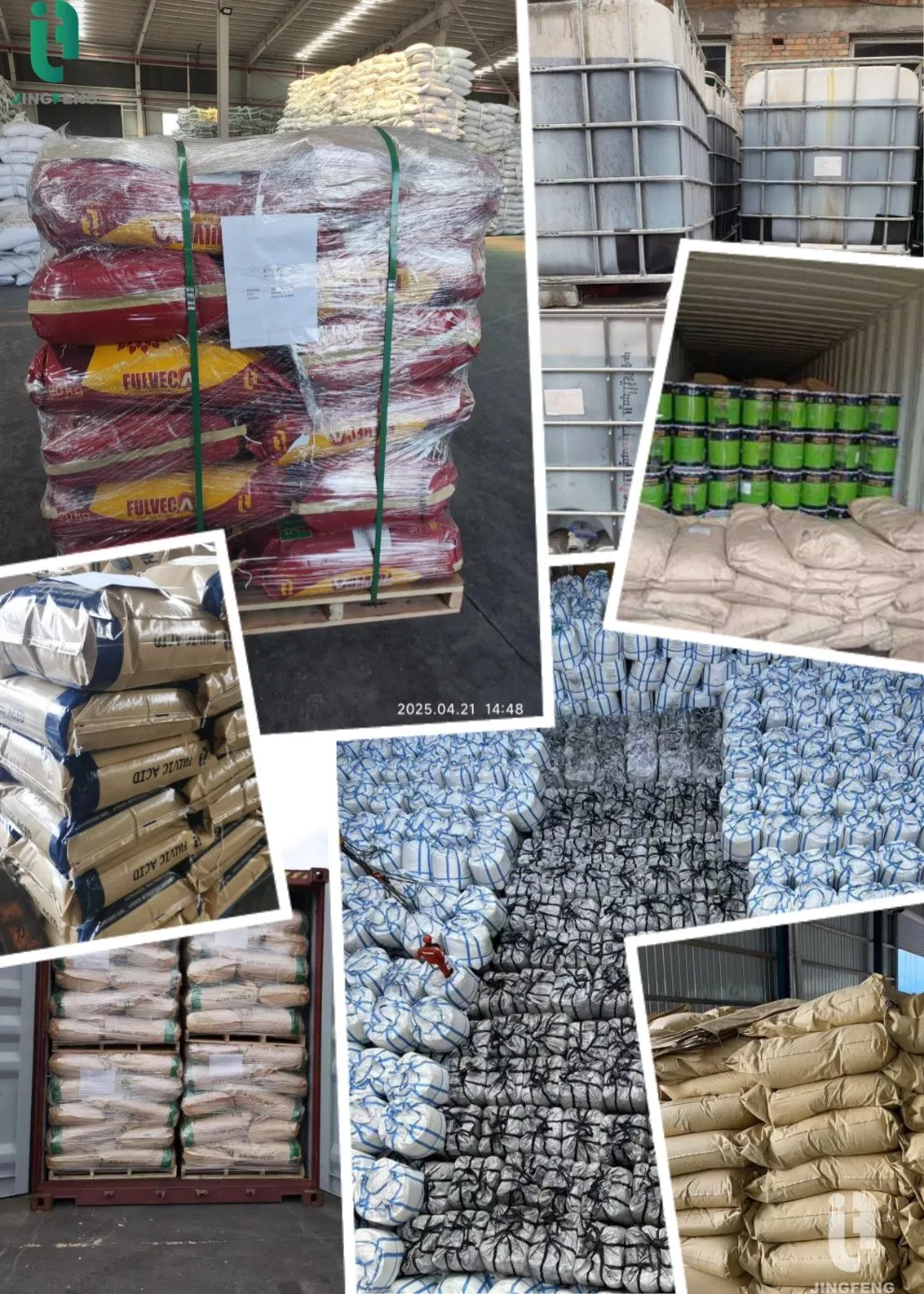
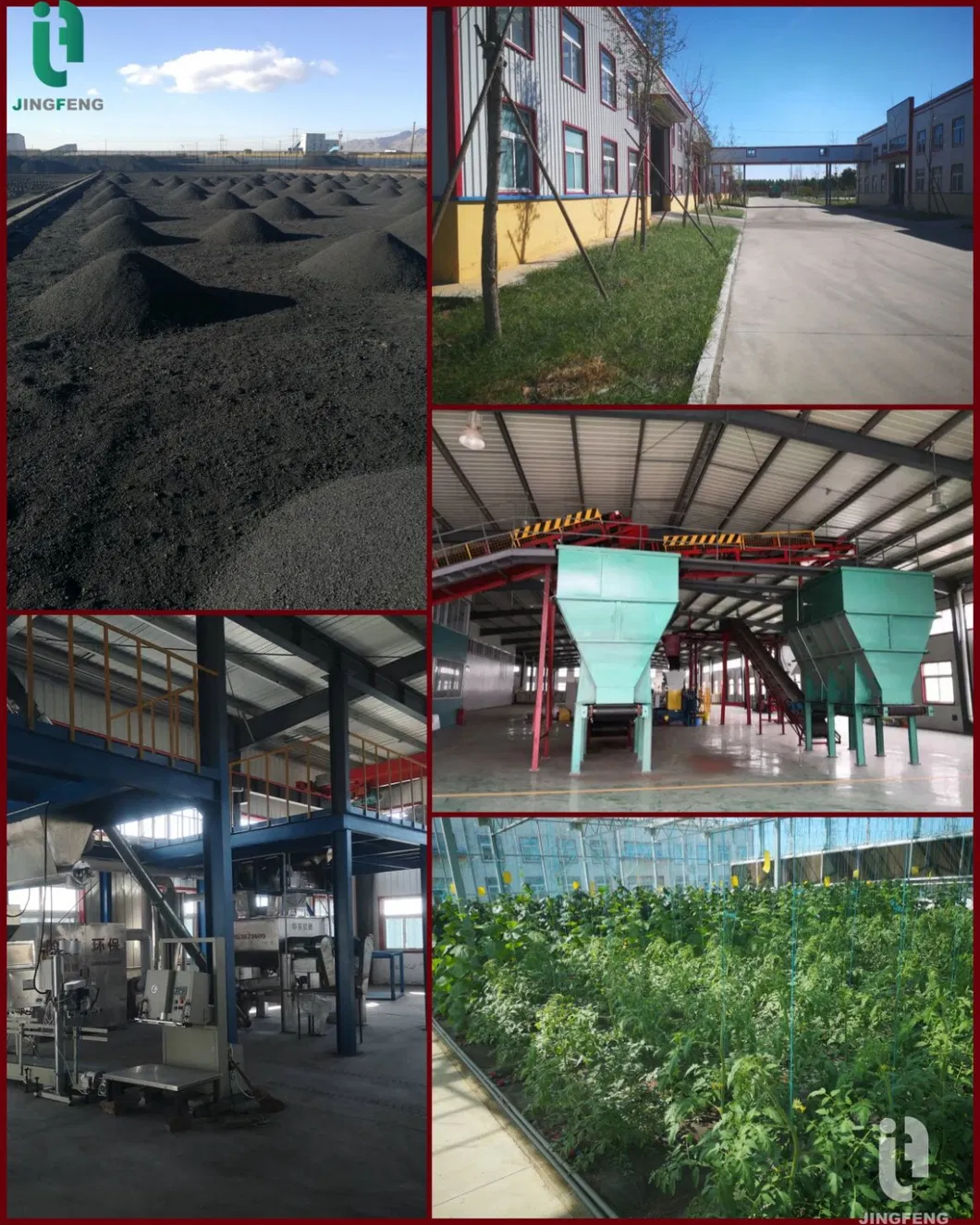
Professional guidance is provided for all products. Technical teams are available to solve challenges regarding application, certification assistance, and soil testing to ensure optimal results for clients worldwide.