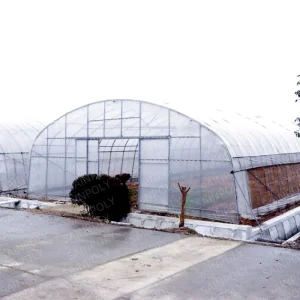
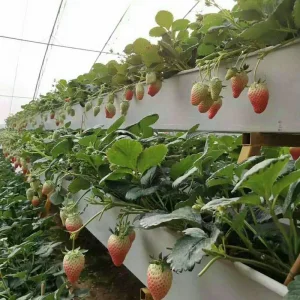
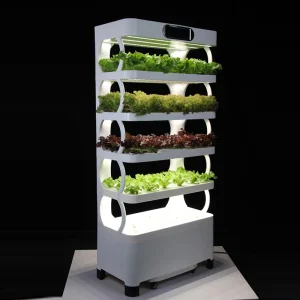
Engineered specifically to counter high coral alkalinity, harsh marine atmospheres, and local freshwater limitations in Kiribati's atolls.
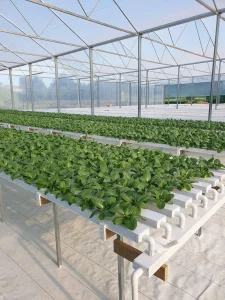

The Republic of Kiribati, comprising 32 coral atolls and one raised coral island (Banaba), faces some of the most challenging agricultural conditions globally. Traditional agriculture is fundamentally constrained by the island's geology. The soil consists primarily of calcareous coral sand and gravel, characterized by high alkalinity (pH levels ranging from 7.8 to 8.5), extremely low water retention capacities, and a severe deficit of essential macronutrients and micronutrients like iron, potassium, and nitrogen.
Furthermore, climate change, sea-level rise, and coastal erosion lead to frequent saltwater intrusion into the thin freshwater lenses beneath the atolls. Traditional farming is forced to rely on brackish groundwater, which limits crop choice and stunts plant growth. Hydroponics is not merely an alternative agricultural technique for Kiribati; it is a critical food security adaptation strategy. By removing soil completely from the production equation, hydroponics solves the nutritional deficiency and pH issues associated with calcareous sand.
As a leading hydroponic supplies exporter, Shanghai Snax Garden Co., Ltd. offers customized B2B solutions engineered specifically for the South Tarawa, Kiritimati, and Betio local microclimates. Our systems enable the cultivation of fresh vegetables, leafy greens, and tomatoes locally, reducing reliance on costly, low-nutrient food imports.
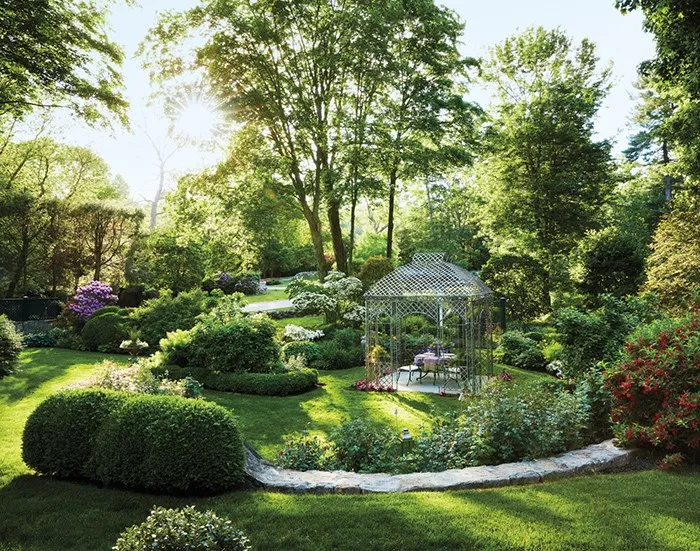
Tropical atoll environments pose challenges that standard equipment cannot withstand. Our solutions are built to last in highly corrosive coastal settings.
Salt spray is highly corrosive. We utilize food-grade, UV-stabilized UPVC and ASA co-extruded plastic profiles alongside heavy-duty, hot-dip galvanized steel frames (minimum 80μm zinc coating thickness) to prevent oxidation, rust, and premature structural failure in marine environments.
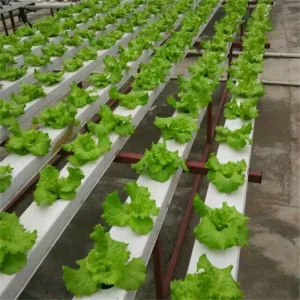
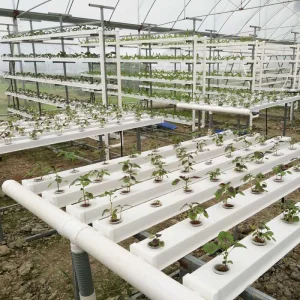
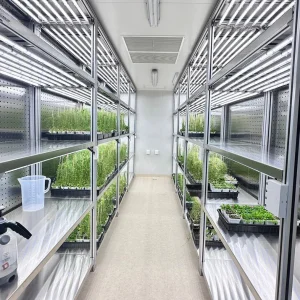
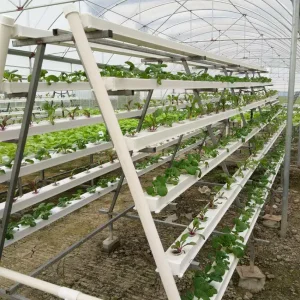
Our vertical NFT and container farms employ closed-loop recycling filtration, cutting water usage by up to 90% compared to open-field cultivation. They are easily integrated with reverse osmosis (RO) desalination units or rainwater harvesting systems to utilize local water sources safely.
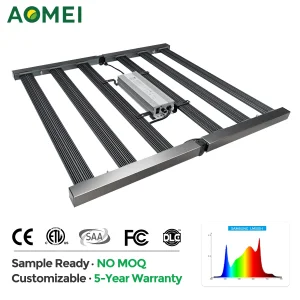
Electricity in Kiribati is expensive and can be unreliable. Our system designs feature high-efficiency LED lighting arrays (Samsung LM301H Evo) and low-draw DC water pumps that integrate smoothly with hybrid solar PV configurations to lower commercial operating expenses.
| System Attribute | Standard Export Spec | Adapted Kiribati Spec (Oceanic Atoll) | Core Project Benefit |
|---|---|---|---|
| Frame Material | Pre-galvanized light steel | Hot-Dip Galvanized Steel (Z275/Z350) + Anti-corrosive powder coating | Prevents rust from salt-mist, extending structural lifespan to 15+ years |
| NFT Channels | Standard PVC | Food-grade UPVC with UV inhibitors & high-temperature stability | Prevents plastic degradation under intense tropical sunlight and heat |
| Power Consumption | AC Grid reliance (high draw) | Low-wattage DC pumps, ready for direct Solar PV & battery link | Lowers power costs, allowing off-grid farm operations on remote outer islands |
| Water Recirculation | Standard drain-waste | Closed-loop sterile recirculation with inline sand/disc filters | Maximizes efficiency of rainwater/desalinated water |
Supporting government agencies, resorts, NGOs, and commercial growers with streamlined supply lines from Shanghai to the Port of Betio, Tarawa.
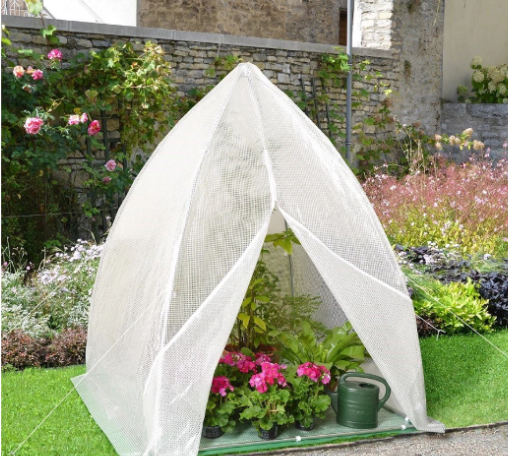
Exporting to small island developing states (SIDS) like Kiribati demands meticulous logistics planning and robust packaging. Given long ocean transit times and transshipment stops in Fiji or Australia, cargo must be protected against humidity and transport wear. At Shanghai Snax Garden Co., Ltd., we use heavy-duty steel pallet packaging and moisture-sealed crating to ensure all hydroponic components arrive complete and undamaged.
We work closely with local institutional buyers, hotel operators on Christmas Island (Kiritimati), and national agricultural extension programs. We provide complete, ready-to-assemble packages, including detailed instructional manuals, step-by-step videos, and remote engineering support to ensure smooth installation even in remote areas.
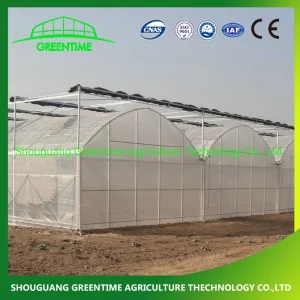
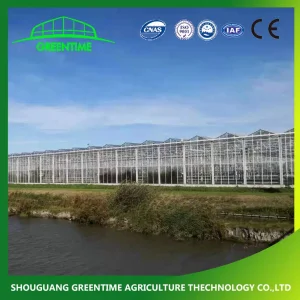
Whether you need small greenhouse structures for community-level food programs or commercial shipping container farms to supply retail stores in South Tarawa, we can customize layouts, plumbing, and structural components to match your exact spatial and budget requirements.
Explore our full line of commercial hydroponic supplies, structural systems, lighting, and environmental control units designed for high-density agricultural yields.
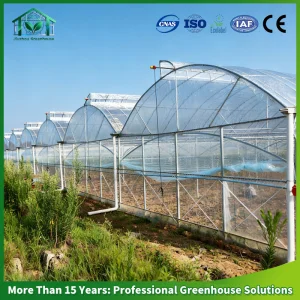
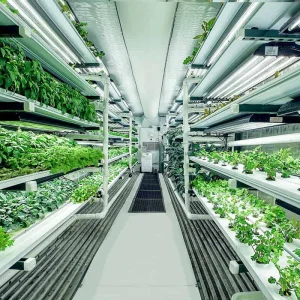
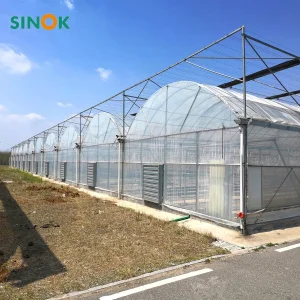
Professional Supplier and Exporter of Commercial Gardening, Greenhouse, and Hydroponic Cultivation Systems.
Based in China, Shanghai Snax Garden Co., Ltd. has developed into a trusted global partner for high-efficiency agriculture and sustainable outdoor living. We dedicate our engineering capabilities and supply network to designing, testing, and delivering top-tier gardening, greenhouse, and hydroponic products to global DIY chains, professional commercial growers, and project developers alike.
Quality control forms the core of our operations. We maintain strict manufacturing and material sourcing policies to ensure our products meet rigid international guidelines. We are fully certified with FSC (Forest Stewardship Council), GRS (Global Recycled Standard), and CE, ensuring that our products meet demanding B2B environmental and structural safety requirements.
Our business values center on reasonable pricing, highly efficient production cycles, and responsive, long-term technical after-sales support. By manufacturing components designed for maximum water efficiency and reduced plastic waste, we actively assist our clients in lowering carbon emissions and establishing climate-resilient farming initiatives worldwide.
Our export network spans across major global logistics hubs and challenging remote territories alike. Currently, Snax Garden systems are deployed throughout Europe (including the UK, Germany, France, Spain, Portugal, Poland, Italy, Belgium, Finland, Hungary, Romania, Czech Republic, and Slovakia), North and South America (USA, Brazil), and the Asia-Pacific region. Our experienced logistics teams navigate international trade barriers, port regulations, and ocean freight logistics to ensure delivery straight to your project site.
For Pacific Island nations like Kiribati, we customize product packs with extra replacement parts, secure packaging, and comprehensive toolkits to guarantee that remote setups can be successfully completed without requiring hard-to-source local supplies.
We invite distributors, municipal agencies, resort managers, and B2B buyers across the Pacific and beyond to contact us. Together, we can build custom, climate-resilient food production systems tailored to your local environment.
How Snax Garden is adapting Controlled Environment Agriculture (CEA) to match emerging smart technologies and climate changes.
Standard nutrient salts often react poorly with water processed through low-cost filtration systems. We are formulating specialized micronutrient packages that remain stable even in slightly brackish water, ensuring crops receive consistent nourishment.
Our upcoming product generation integrates low-power IoT sensors that monitor water temperature, EC (Electrical Conductivity), pH levels, and air humidity. Growers can track farm data via a mobile app, streamlining operations on remote atolls.
High tropical temperatures can heat nutrient solutions, causing root rot. We are developing insulated double-walled NFT channels and passive greenhouse ventilation designs that lower root zone temperatures without using extra electricity.
Expert technical answers regarding the import, setup, and operation of hydroponic systems in Kiribati's unique coastal environment.
Get in touch with our engineering team for custom layouts, technical spec sheets, and B2B pricing tailored for Kiribati's climatic conditions.
Send Inquiry Now Snax Garden