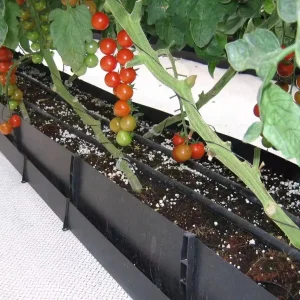
Cultivation Method
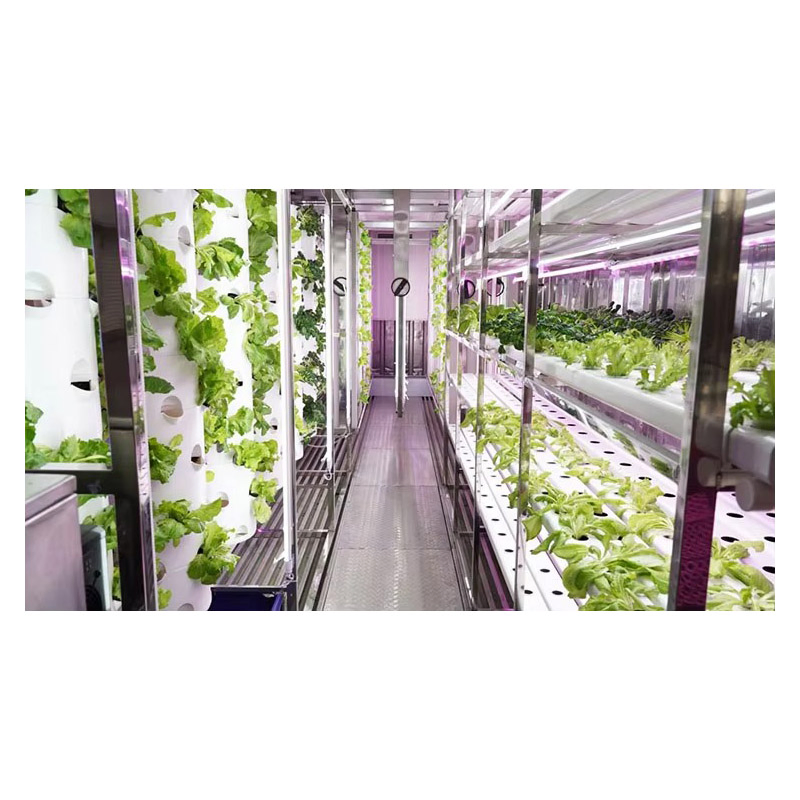
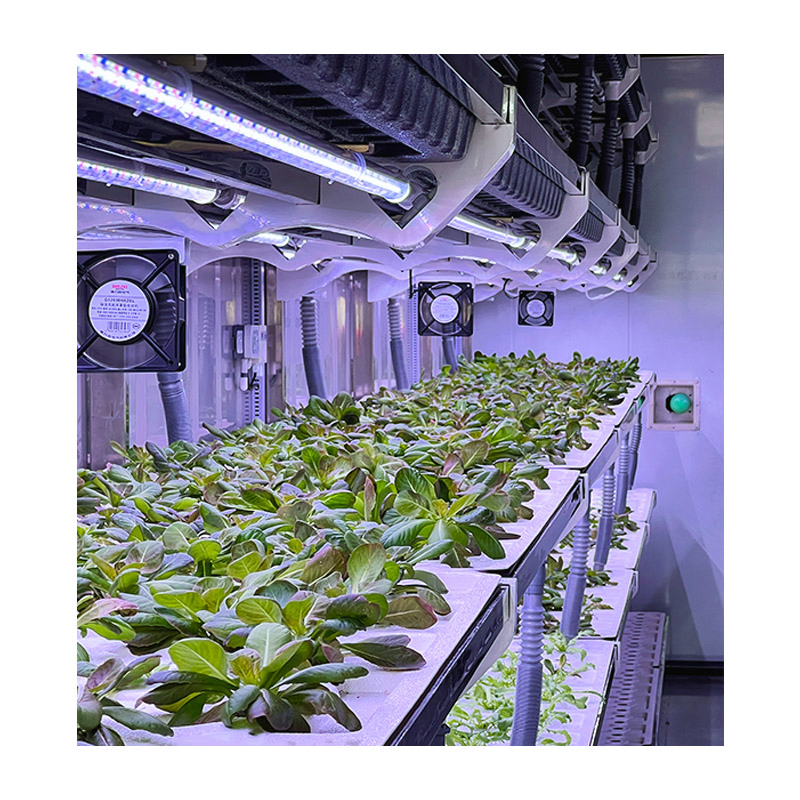
Hydroponics
Heating Method
Continuous Heating
Layer
Double, Single, Multi, Customizable
Roofing Shape
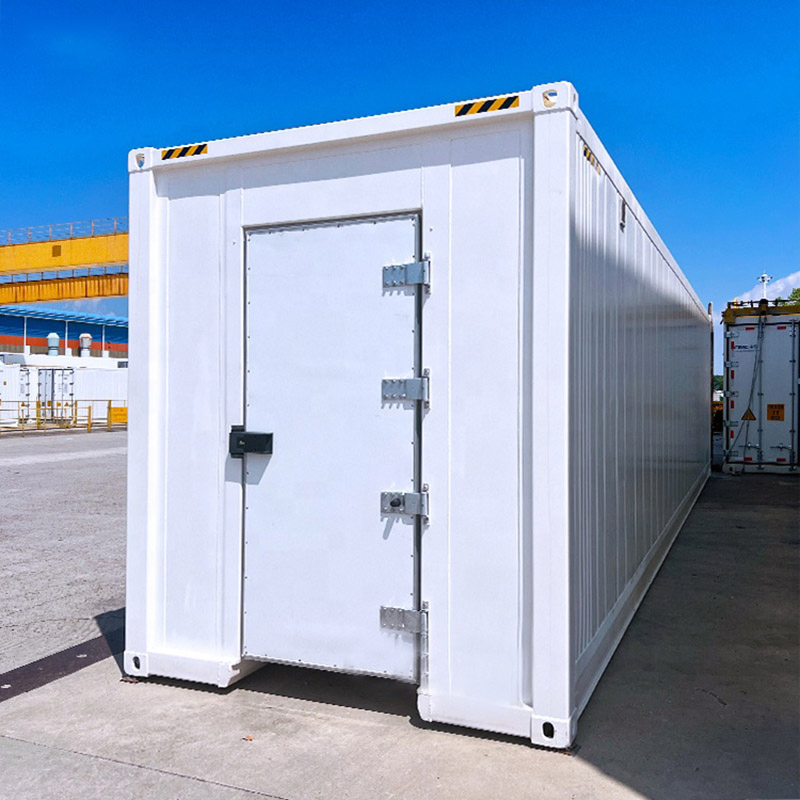
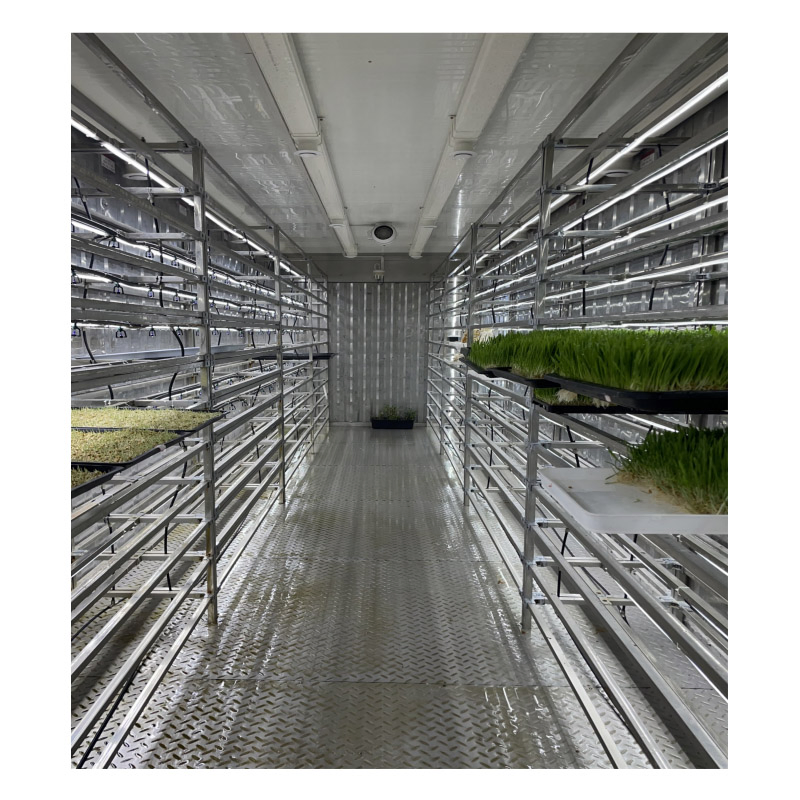
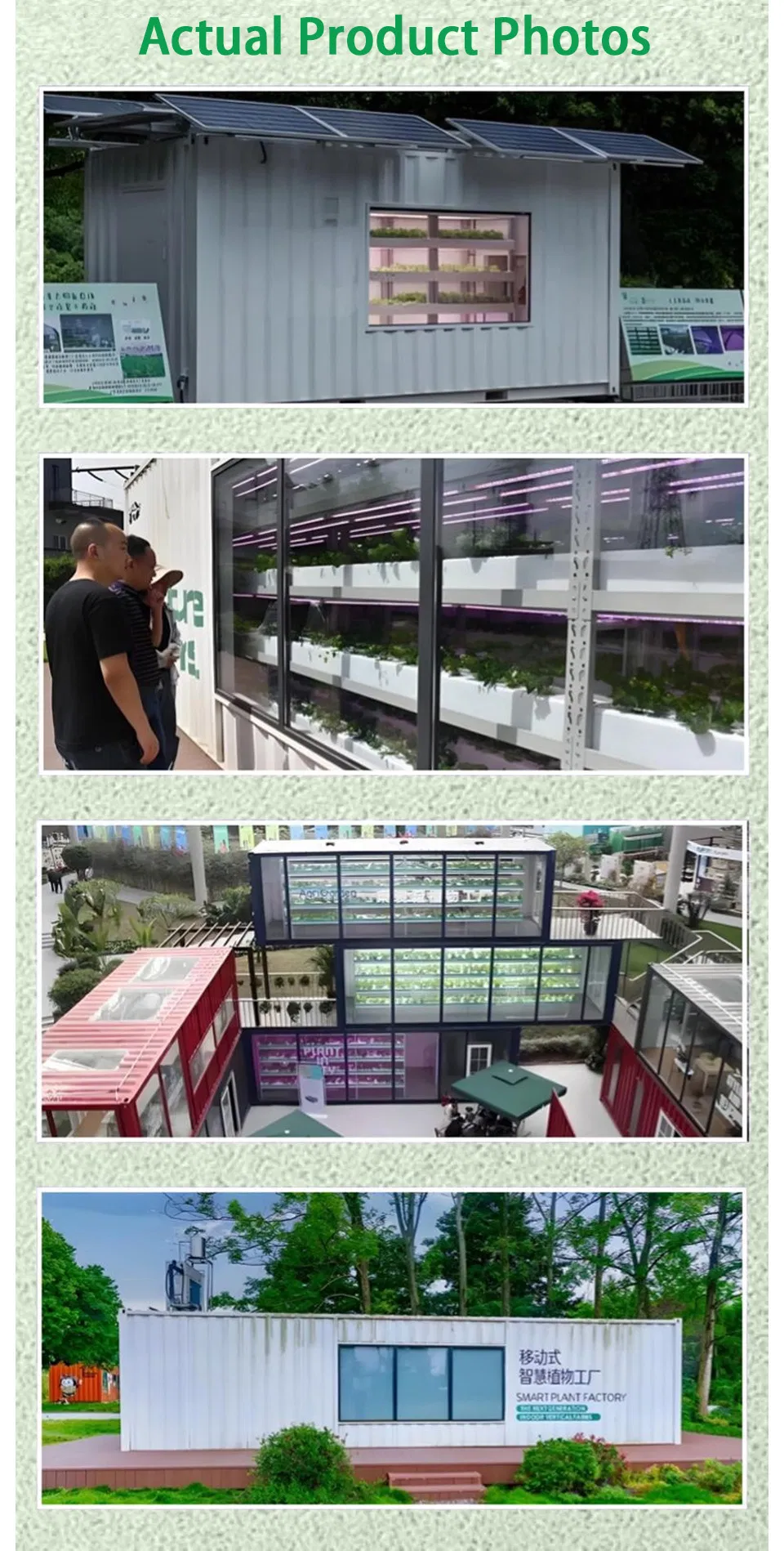
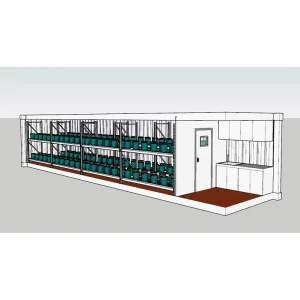
Container Farm, Shipping Container Greenhouse
Suitable Crops
Mixed Farming, Vegetables, Fruit, Herbal Medicine
Usage
Production Greenhouse
Frame
Metal, Stainless Steel
Irrigation Type
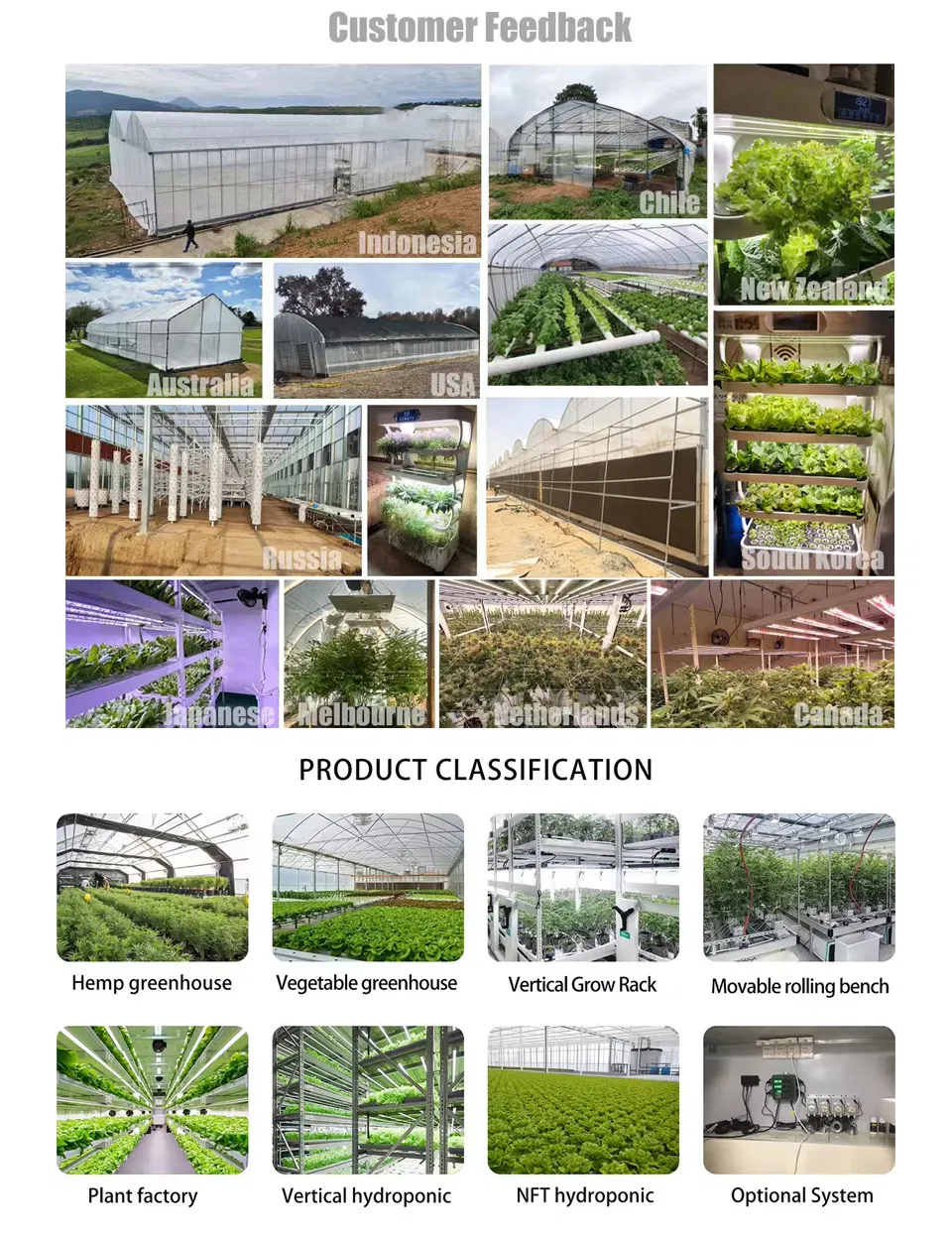
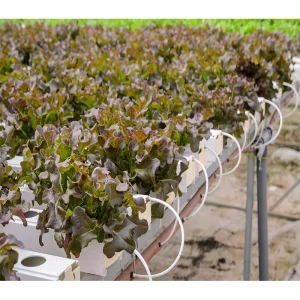
Aeroponic, Aquaponic, Drip
Key Selling Points
Automatic Controlled, Nft Hydroponic System
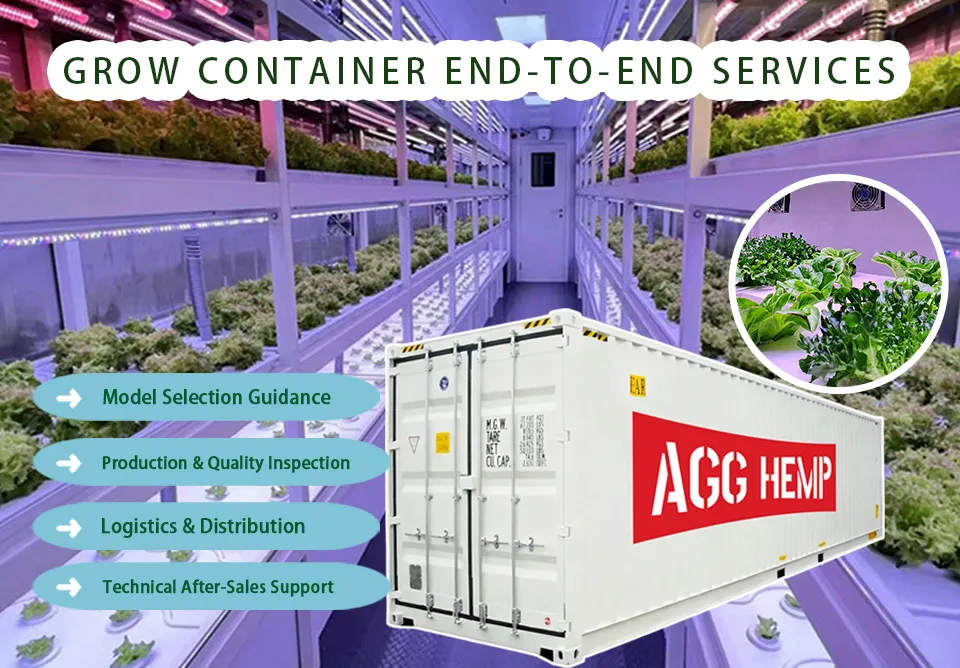
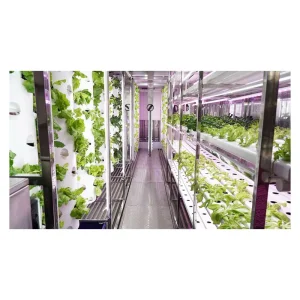
Container Farms unleash the limitless potential of plant growth. We provide comprehensive guidance from model selection to production, quality inspection, and logistics.
1
All-in-One: Complete, ready-to-use containerized farming solutions.
2
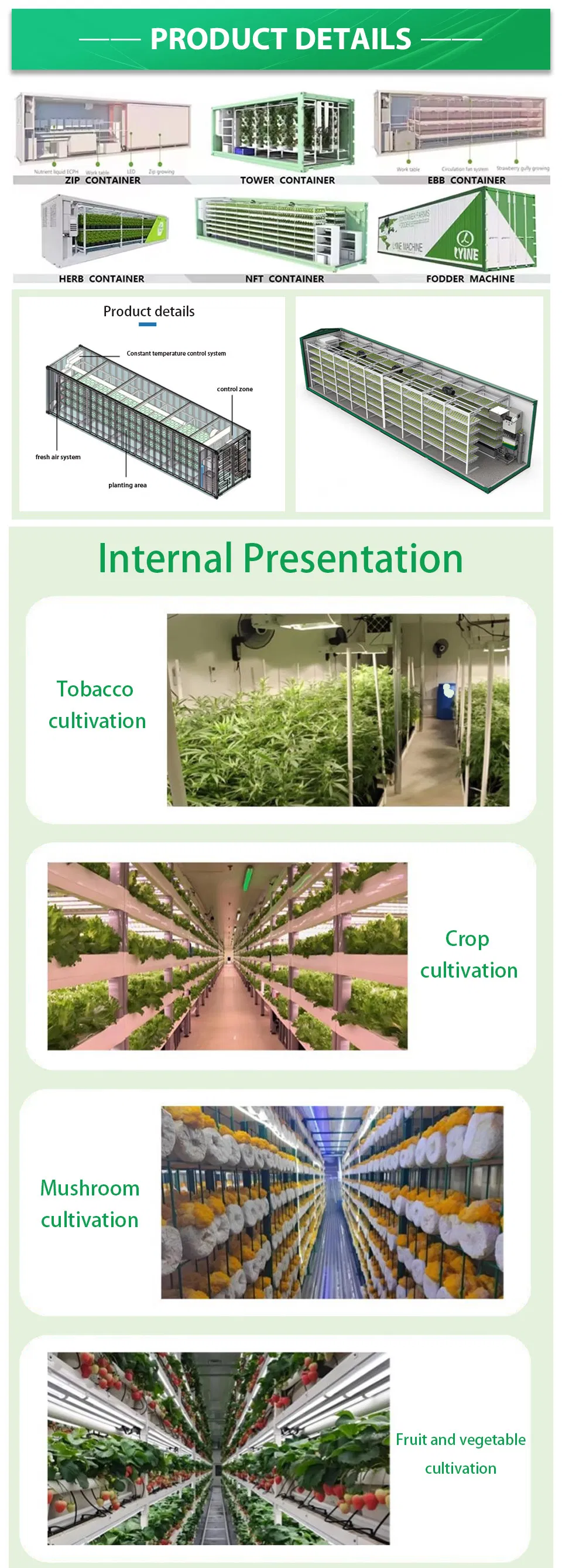
Versatility: Supports tobacco, mushrooms, fruits, and vegetables.
3
Modular Design: Features Zip, Tower, Ebb, and NFT systems.
4
Energy Saving: Optimized structure for reduced operational costs.
Frequently Asked Questions
1. What is a Grow Container and how does it work?
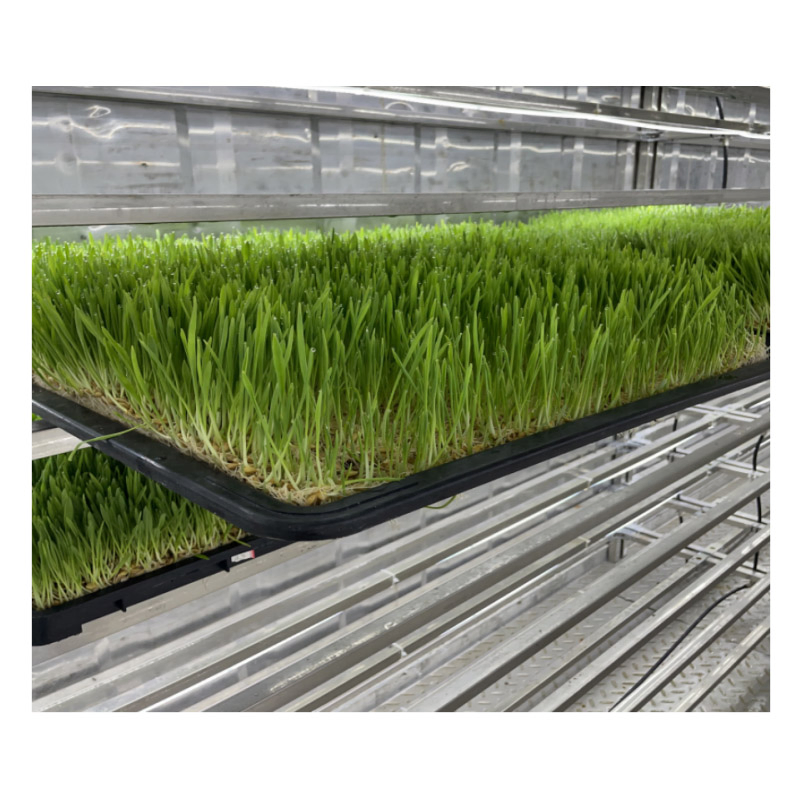
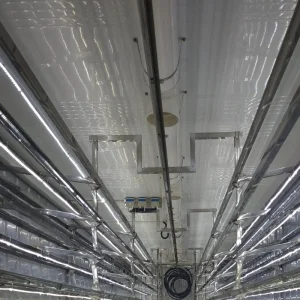
A Grow Container is a custom-built shipping container equipped with climate control, specialized lighting, and hydroponic technology. It creates a self-contained environment for year-round cultivation, independent of external weather.
2. What are the main advantages over traditional farming?
Advantages include 365-day production, vertical stacking for space efficiency, using 95% less water, pesticide-free environments, and the ability to grow crops directly in urban areas.
3. Is container farming profitable?
Yes. High-value crops like leafy greens, herbs, and strawberries often offer a fast ROI, typically between 1-3 years depending on local market prices and operational efficiency.
4. How does the "plug-and-play" setup work for international clients?
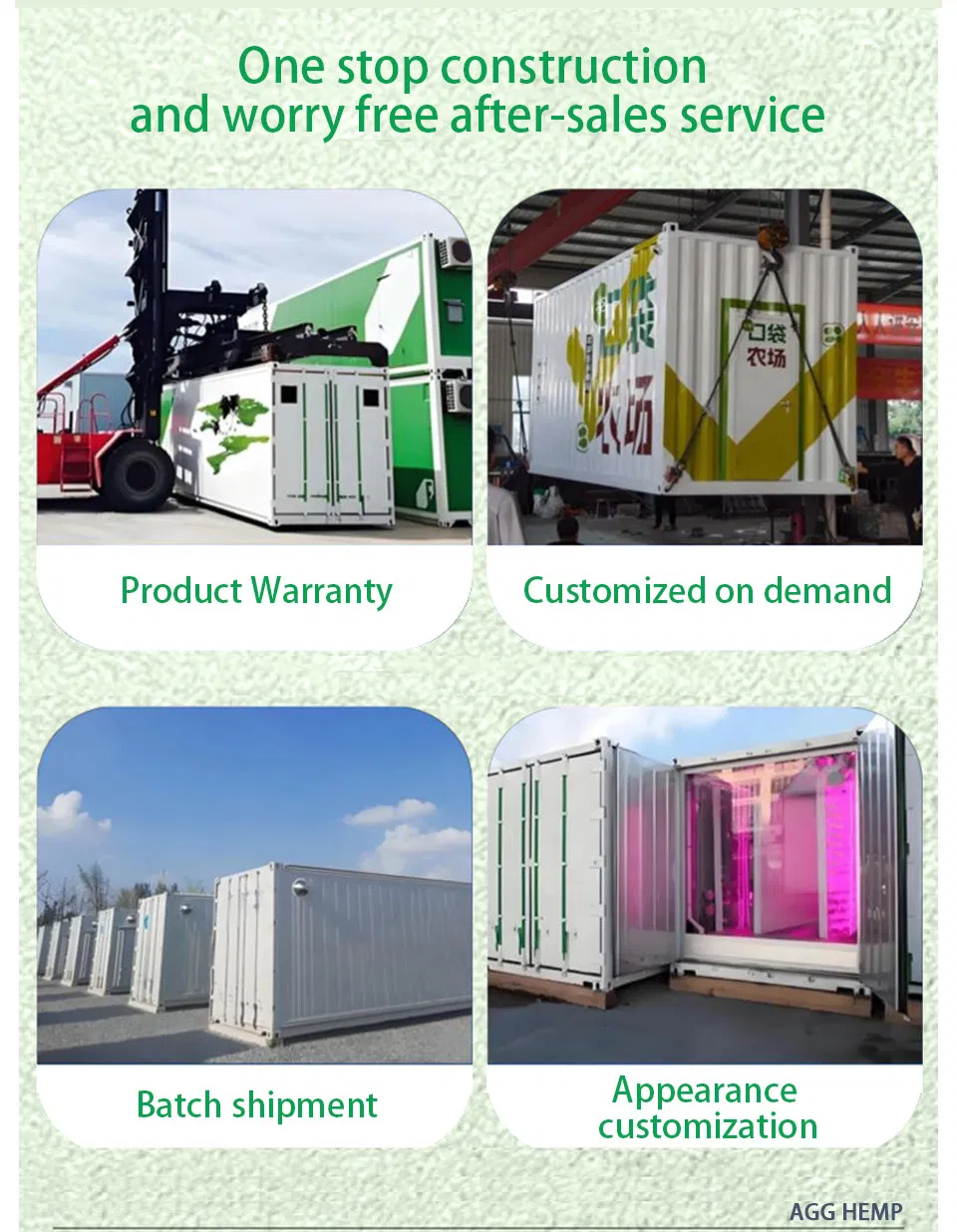
Our systems are pre-configured and voltage-adjusted to your local specifications before shipment. This removes the need for complex on-site electrical work and ensures a hassle-free startup.
5. What crops can be grown in these containers?
Common successful crops include Lettuce, Kale, Spinach, Basil, Mint, Tobacco, Microgreens, and Strawberries. Systems are customized to suit the specific requirements of each crop.
6. What kind of maintenance is required?
Basic maintenance includes cleaning, nutrient management, and filter changes. We provide comprehensive manuals and responsive after-sales support to guide you through the process.
 Snax Garden