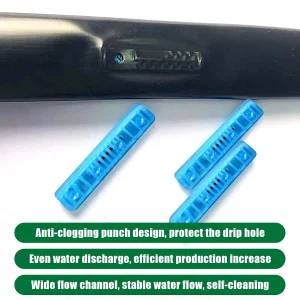
Discover Snax Garden's high-efficiency garden infrastructure and micro-irrigation innovations designed to optimize zero-waste cultivation systems.
The global packaging paradigm is undergoing a massive transformation. As conventional single-use plastic bags face stringent regulatory bans across the European Union, North America, and parts of Asia, enterprise buyers are shifting toward certified compostable bags. The primary objective is to replace traditional polyolefins (LDPE, HDPE, and LLDPE) with bio-based, compostable alternatives that degrade without leaving toxic residues or microplastics in the ecosystem.
Modern compostable bags utilize aliphatic-aromatic co-polyesters, primarily PBAT (Polybutylene adipate terephthalate) combined with PLA (Polylactic Acid) and thermoplastic starches (TPS). This precise formulation balances the high tensile strength and puncture resistance required for transport with the biological degradation rate demanded by municipal and home composting facilities. When exposed to microbial action, moisture, and temperature fluctuations in a composting environment, these molecular chains break down into carbon dioxide, water, and nutrient-dense biomass.
When evaluating suppliers from the top 10 list, procurement officers must ensure that products possess valid certifications from recognized regulatory bodies. The standard definition of "compostability" is strictly controlled by global testing frameworks. Below is the technical compliance matrix required for cross-border supply chains.
| Standard / Cert. | Target Region | Key Testing Parameters & Disintegration Criteria | Composting Mode |
|---|---|---|---|
| EN 13432 | European Union | Disintegration within 12 weeks (>90% fragments passing <2mm mesh); biodegradation >90% in 6 months; heavy metal safety tests. | Industrial Composting |
| ASTM D6400 | North America | Requires disintegration and biodegradation rates under thermophilic conditions. Eco-toxicity tests with plant germination trials. | Industrial Composting |
| OK Compost Home | Global / Europe | Testing at ambient temperatures (20°C - 30°C) with disintegration completed within 12 months. Suitable for backyard composting. | Home Composting |
| AS 4736 / AS 5810 | Australia / NZ | AS 4736 (Industrial) and AS 5810 (Home) require an additional earthworm toxicity test, ensuring zero toxic residues for soil organisms. | Industrial & Home |
The structural evolution of bio-plastics is moving beyond simple starch blends to smart, marine-degradable, and carbon-negative polymers.
Polyhydroxyalkanoates (PHAs) synthesize directly from microbial fermentation of organic waste streams. They exhibit complete marine degradation capabilities, preventing oceanic microplastic accumulation.
Integration of nanocellulose and natural mineral coatings to drastically improve moisture and oxygen barrier properties, extending compostable bag shelf lives to over 18 months under ambient warehouse conditions.
By blending algae-derived biocarbon and agricultural byproducts into the PBAT matrix, manufacturers are achieving negative net cradle-to-gate carbon footprints, matching international net-zero mandates.
Enterprise-scale implementation of compostable bag systems requires deep understanding of different macro-industry scenarios. Standardized "one-size-fits-all" bags often fail due to unique chemical and physical stresses.
Linking high-efficiency global supply chains with advanced environmental certifications.
Shanghai Snax Garden Co., Ltd. is a highly specialized supplier and exporter of advanced outdoor living infrastructure, micro-irrigation systems, and custom eco-friendly packaging accessories. Operating out of China's dynamic industrial corridors, we cater to global DIY chains, professional discount stores, and agricultural distributors.
Our product application spans across professional gardens, patios, residential balconies, structural villas, and modern vertical farms, allowing clients to establish closed-loop, sustainable growing environments. With certifications from the FSC (Forest Stewardship Council), GRS (Global Recycled Standard), and CE, our production models meet the most rigid environmental requirements of the EU and North American markets.
By coordinating closely with modern polymer manufacturing, we ensure that related cargo transport systems utilize compostable and recyclable bags to prevent carbon footprint inflation.

The top 10 Chinese compostable bag factories are leading the industry by integrating smart automation (Factory 4.0) into their blown film extrusion and converting systems. This structural shift allows them to minimize raw material waste and guarantee consistency in film thickness—a critical factor for thin-gauge compostable film performance.
Selecting a global packaging manufacturer requires evaluating technical performance, export certificates, minimum order quantities (MOQs), and material compositions. Here is a definitive list of the leading companies shaping global bio-degradable manufacturing:
Answers to critical technical, chemical, and logistics questions in compostable bag sourcing.
Compostable bags must degrade under specific biological conditions (humidity, temp, bacteria) into CO2, water, and nutrient-rich biomass within 90-180 days, leaving no toxic trace (certified under EN 13432/ASTM D6400).
Biodegradable bags have no strict timeline or residue limits.
Oxo-degradable bags are traditional plastics with chemical catalysts that break down into microscopic, toxic microplastics under sunlight, which are banned or heavily restricted in major global jurisdictions.
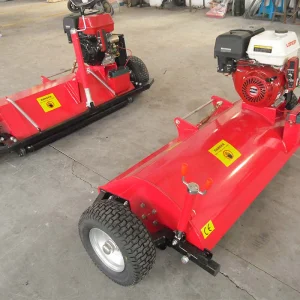
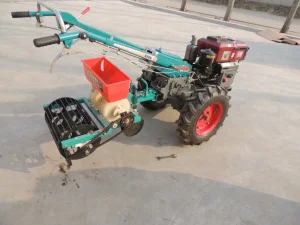
Explore our specialized catalog of industrial-grade greenhouse films, biological pest controls, and tractor units.
 Snax Garden