Explore high-performance commercial and garden systems built for rainwater harvesting, digital signage integration, and organic waste efficiency.

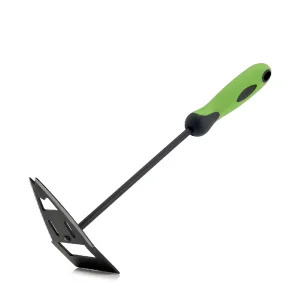
The global composting and bio-waste management sector is experiencing unprecedented growth, driven by aggressive municipal waste-diversion mandates, ESG compliance framework implementations, and a consumer-led surge in urban farming and residential organic gardening. Composting accessories—ranging from mechanical aeration forks, specialized compost thermometers, and heavy-duty liners to microbial catalysts, compost turners, and sustainable soil test kits—are no longer niche products; they have evolved into critical components of the circular economy supply chain.
North America and Europe currently represent the largest consumption markets, governed by strict legislative architectures (such as the EU Landfill Directive and California SB 1383) that penalize organic waste disposal in traditional landfills. Simultaneously, the Asia-Pacific region has emerged as both a robust manufacturing powerhouse and a rapidly growing domestic consumer market. The production ecosystem demands a convergence of material engineering, carbon-offset optimization, and strict international compliance standards (FSC, GRS, and CE) to fulfill B2B criteria for global DIY and garden retail chains.
Uncovering the next generation of composting and soil-health solutions shaping global sustainability agendas.
Modern composting setups now feature Bluetooth and LoRaWAN-enabled sensors inserted into the organic matter. These accessories track real-time moisture levels, nitrogen variations, and core temperature changes, sending direct status notifications to agricultural platforms.
The regulatory pressure on plastics has pushed composting accessory manufacturers to abandon virgin polymers. Global standards demand at least 80% Post-Consumer Recycled (PCR) plastics or fully biodegradable composite matrixes for items like aerator bins, crates, and storage units.
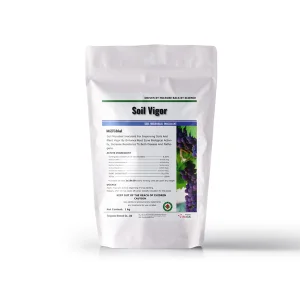
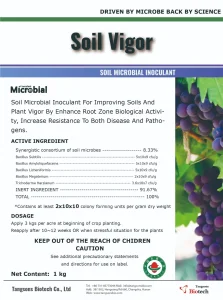
Rather than relying solely on passive oxidation, the industry has transitioned to bio-augmented composting accessories. High-efficiency microbial soil drench inoculants and enzymatic bio-fertilizer starters accelerate decomposition timeframes by up to 60%.

Shanghai Snax Garden Co., Ltd. is a leading professional manufacturer, supplier, and exporter of composting accessories, gardening equipment, and outdoor living structures based in China. Leveraging years of industrial specialization, we are dedicated to providing premium, highly innovative, and certified sustainable products to global DIY chains, bulk agricultural distributors, retailers, and discount hubs.
Our expansive production catalog covers structural garden accessories, advanced cultivation tools, micro-irrigation and protection setups, greenhouses, and customizable raised garden beds. Furthermore, we specialize in high-durability outdoor logistics and storage fixtures including FSC-certified wooden planters, heavy-duty garden sheds, bicycle lockers, wood storage racks, utility bins, and modern outdoor leisure furniture. By prioritizing carbon-efficient production pathways, Snax Garden matches strict global expectations for ESG-compliant products.
"Our commitment is built on three core pillars: cost-efficient advanced manufacturing, verified international compliance (FSC, GRS, CE), and long-term sustainable partnership frameworks aimed at accelerating carbon reduction across the gardening supply chain."
Operating a highly optimized manufacturing ecosystem, Shanghai Snax Garden Co., Ltd. guarantees seamless integration for major buyers. Our products undergo rigorous internal testing cycles and hold key certifications required for export into high-barrier regulatory markets:
| Compliance Standard | Scope & Applicability | Target Market Relevance |
|---|---|---|
| FSC (Forest Stewardship Council) | Guarantees that all wood-based compost bins, planters, and storage accessories originate from responsibly managed forests. | European Union, UK, and North American retail chains requiring strict deforestation-free validation. |
| GRS (Global Recycled Standard) | Tracks and verifies recycled content in plastics, geotextiles, and polymer accessories. | Global supply networks focusing on circular economics and minimal virgin petroleum consumption. |
| CE Certification | Confirms conformity with safety, health, and environmental protection standards. | Mandatory certification for European Economic Area trade channels. |
Composting systems and accessories are highly environment-dependent. Manufacturers must adapt design criteria, material density, and mechanical properties to fit distinct geographical, climate, and site constraints:
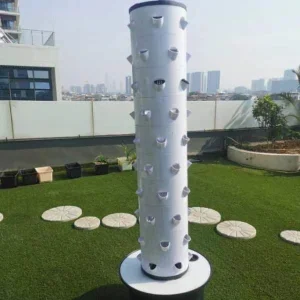
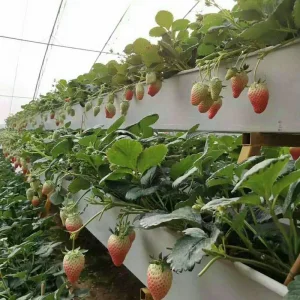
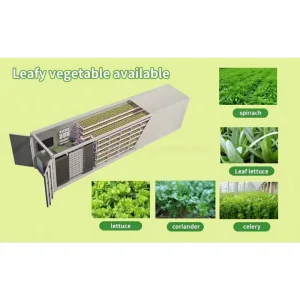
Micro-composting bins and vertical hydroponics systems are designed with tight footprints, incorporating odor-control activated carbon filters and high-strength seals to allow clean operation in apartments.
Integrating wood-composite open-air modular bays and automated rotary compost tumblers. These accessories prioritize aesthetic harmony, animal-proofing, and simple manual aeration structures.
Heavy-duty municipal composting systems requiring robust oxygen injection probes, industrial inoculants, temperature monitors, and integrated eco-friendly rainwater harvesting setups for hydration management.
The composting accessories and smart garden tools sector is undergoing rapid evolution. Key manufacturers are currently aligning their engineering roadmaps with the following technical milestones:
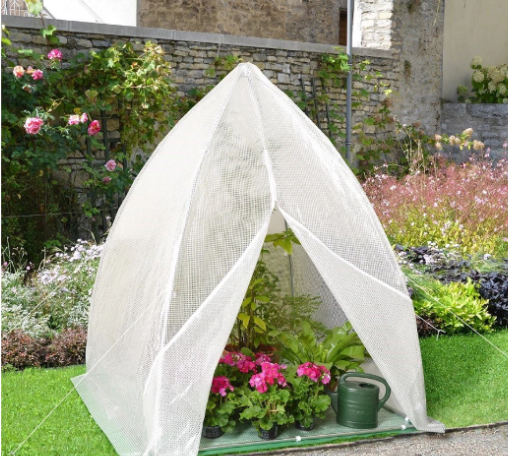
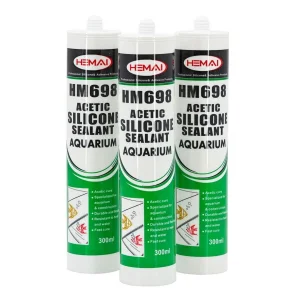
For large-scale garden centers, ecological parks, and commercial urban farming initiatives, localized accessory purchases must form a cohesive solution. Integrating components like water recycling channels, bio-inoculation soil drenches, high-performance RTV weatherproofing sealants, and smart data collection boards generates a high-efficiency system that minimizes carbon output while maximizing yield.
By purchasing from certified suppliers such as Shanghai Snax Garden, procurement directors can ensure trace-certified materials that align with sustainable construction laws. This holistic approach supports structural integrity, limits maintenance downtime, and helps projects achieve LEED or BREEAM environmental ratings.
Providing clear, technical answers to common B2B procurement queries in the composting and urban agritech space.
FSC (Forest Stewardship Council) ensures any wood component is sourced from responsibly managed forests that fight deforestation. GRS (Global Recycled Standard) tracks and verifies the exact recycled material content within plastics. For B2B importers, these certifications prevent supply chain interruptions and align with ESG regulations, avoiding greenwashing penalties in the EU and USA.
Water-soluble microbial inoculants contain concentrated beneficial aerobic bacteria and fungi strains. When introduced to composting materials, they rapidly establish dominant digestive cultures, generating exothermic reactions that break down stubborn carbon compounds (lignin/cellulose) significantly faster than native environmental bacterial seeding.
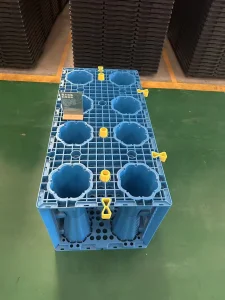
Active composting requires a highly stable moisture content (ideally 40–60%). Rainwater collection systems and soakaway crates store clean runoff water on-site without city grid dependence, allowing operators to run misting pumps or soak compost piles sustainably, preventing the organic matrix from drying out and stalling the biological breakdown.
Industrial weeders and garden tools require high tensile strength and rust prevention. Buyers should inspect structural specifications like rebar diameter (e.g., 9.0mm high-strength steel), double-welded joints, ergonomic handle weight distribution, and eco-friendly protective coating materials to guarantee durability in heavy outdoor clay and compost environments.
Premium hydroponic components, automated maintenance robotics, and certified organic materials for high-yield, low-carbon setups.
 Snax Garden